
Leaking Pool Auto Fill Valve Repair and Diagnosis in Houston
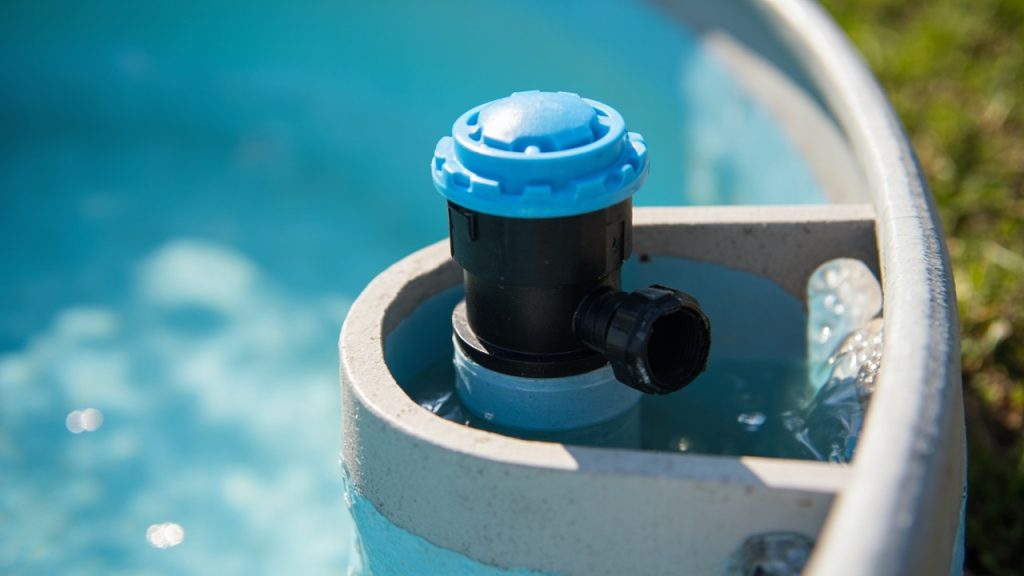
A pool auto fill valve acts as a silent manager for your backyard oasis. In the current 2026 Houston climate, homeowners face record heat and rising utility rates. Your water leveler is supposed to maintain a consistent depth by adding water when evaporation occurs. However, a faulty valve can quickly become a financial drain. When this mechanical part fails, it might run constantly without your knowledge. This wastes thousands of gallons of water every month. Many residents in neighborhoods like Katy and Cypress do not realize there is an issue until they receive a massive bill from Houston Public Works. Understanding how these valves work and why they fail is the first step toward saving money and protecting your property.
Detecting the Signs of a Stuck Pool Leveler
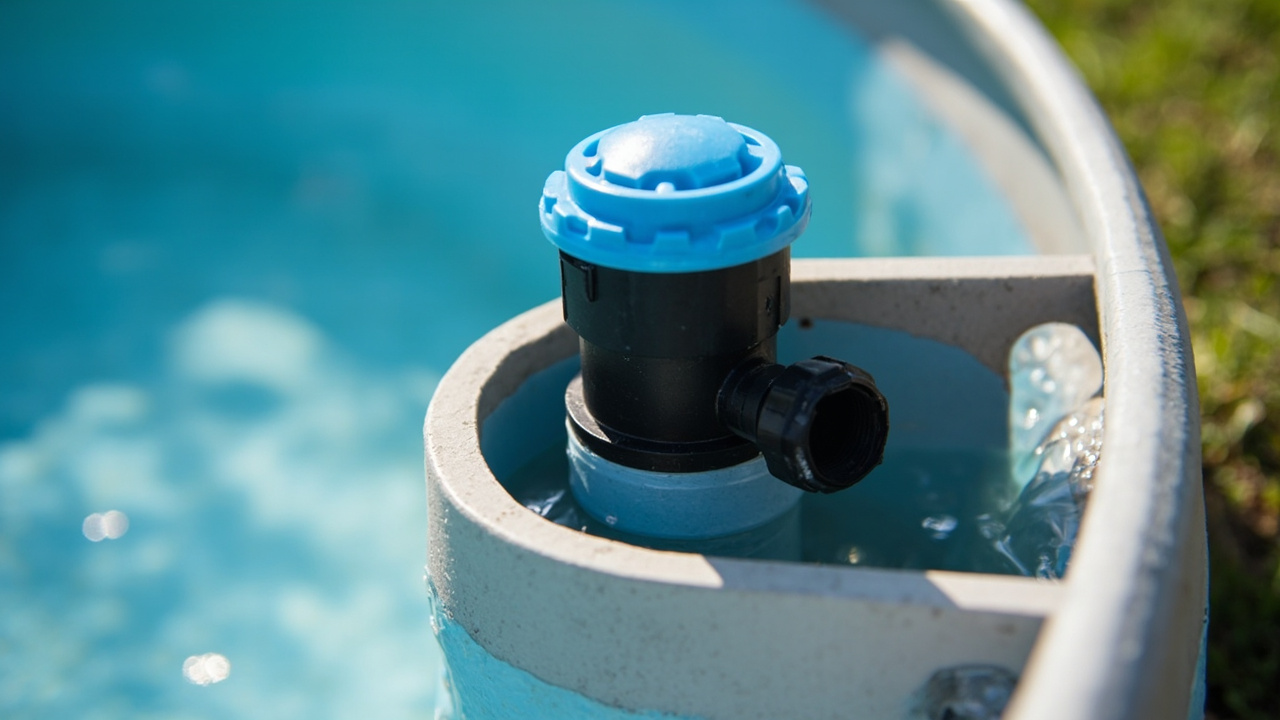
Identifying a leak in your pool auto fill system requires a keen eye. The most obvious sign is a pool that is constantly overflowing. Most modern pools in the Houston metro area feature an overflow drain. This drain is usually located near the top of the tile line. If you see water pouring into this pipe while the sun is shining and no rain has fallen, your auto fill is likely stuck. You may also notice that the concrete deck around the auto fill canister stays damp. This often indicates a crack in the canister or a leak in the supply line. In areas like Kingwood where trees are plentiful, root intrusion can also damage these underground pipes. This leads to a constant flow of water that never reaches the pool but still shows up on your water meter.
Another symptom is the sound of running water near the pool equipment. If you stand near the auto fill pot and hear a hiss or a trickle when the pool is already full, the valve has failed to seal. This is common with older mechanical floats. These devices use a simple rubber washer to stop the flow of water. Over time, the washer hardens or becomes deformed. When this happens, the water continues to bypass the seal. If you suspect a problem, you should check your water meter. Turn off all water inside your house and look at the flow indicator. If the dial is spinning, your pool plumbing could be the culprit. If you are dealing with an emergency leak that is flooding your yard, you may need to find a reliable 24 hour plumber in River Oaks who can get to you fast to shut down the main supply and prevent foundation damage.
The Bucket Test for Houston Pools
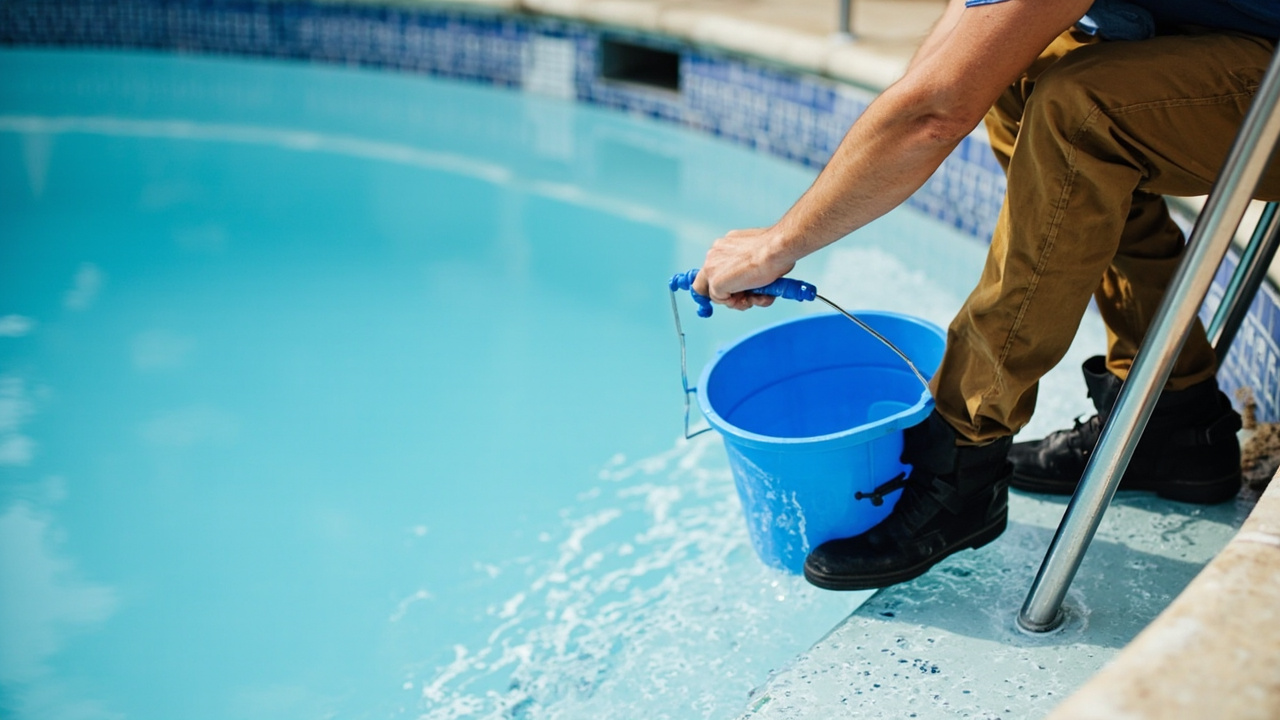
Before you take the valve apart, you must confirm that you have a leak rather than high evaporation. Houston humidity affects how quickly water vanishes from your pool. During the summer of 2026, we have seen evaporation rates as high as two inches per week. The bucket test is the most accurate way to differentiate between natural loss and a mechanical failure. To perform this test, follow these steps.
- Fill a five gallon plastic bucket with pool water.
- Place the bucket on the first or second step of your pool.
- Ensure the water level inside the bucket matches the water level of the pool exactly.
- Mark the water levels on both the inside and outside of the bucket with a waterproof marker.
- Turn off the auto fill valve completely.
- Wait twenty four hours and compare the marks.
If the water level in the pool has dropped significantly more than the water level in the bucket, you have a leak in the pool shell or the plumbing. However, if the pool level stays higher than the bucket level while the auto fill is on, your valve is adding too much water. This test is a staple for professional plumbers across the Texas Water Development Board service areas because it accounts for local weather conditions. It provides a baseline that prevents unnecessary repairs.
Why Houston Clay Soil Damages Pool Plumbing
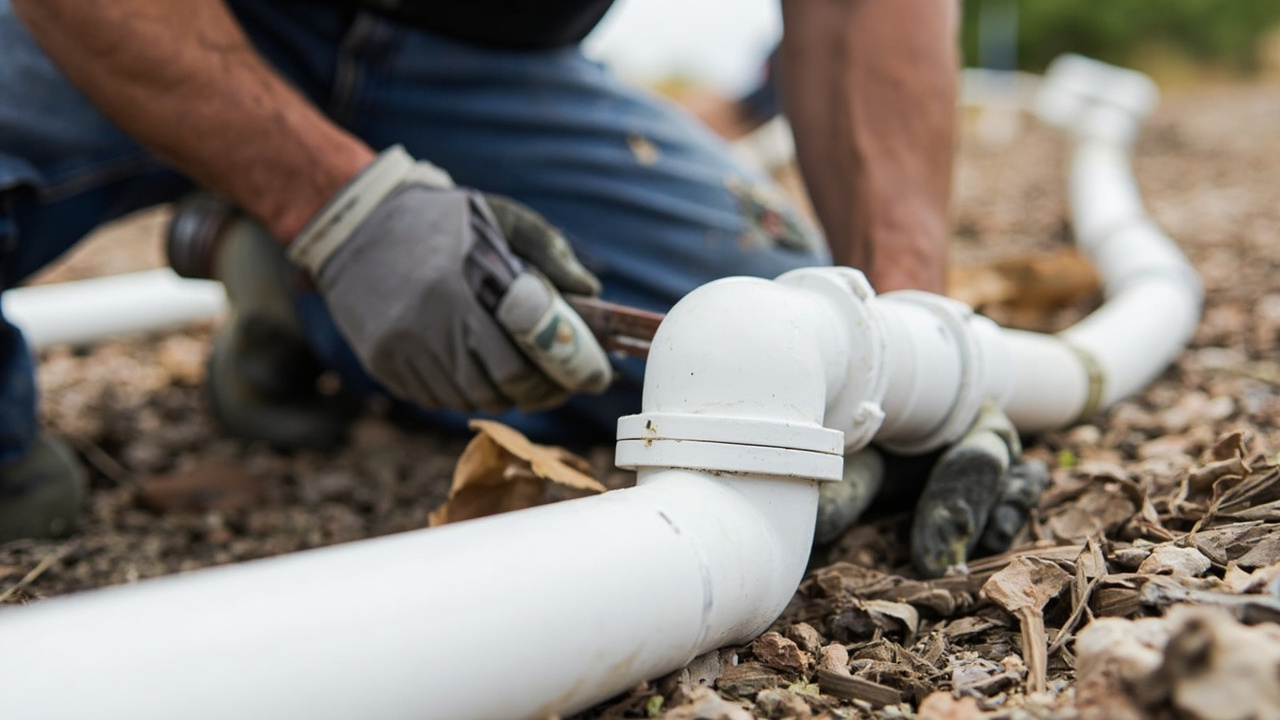
The geography of the Houston area plays a major role in pool plumbing failures. Most of the region sits on expansive clay soil. This soil acts like a sponge. It expands when it rains and shrinks during dry spells. This constant movement puts immense pressure on underground PVC pipes. Many pool auto fill systems are connected to the home water supply using thin Schedule 40 PVC. When the soil shifts, these pipes can snap or pull away from the auto fill canister. This creates an underground leak that is difficult to spot. Residents in Memorial and The Heights often see these issues because of the age of the local infrastructure and the density of the soil.
If the supply line breaks, the auto fill valve will not receive water, or it will receive water at a lower pressure. More importantly, the leaking water can wash away the dirt beneath your pool deck. This leads to cracking and sinking of the concrete. In severe cases, the water can even migrate toward the house. This is a common reason homeowners look into a real look at the cost of whole home repiping for Memorial area houses to ensure their entire system is stabilized against soil movement. Protecting your pool plumbing requires professional installation with flexible swing joints that can handle minor soil shifts without breaking.
Comparison of Water Loss Symptoms
| Condition | Typical Water Loss | Visual Indicators |
|---|---|---|
| Normal Evaporation | 0.25 inches per day | Dry pool deck and normal utility bills |
| Stuck Auto Fill Valve | 2 to 5 inches per day | Water flowing out of the overflow drain |
| Broken Supply Line | Variable based on break | Soggy grass or sunken pool deck sections |
| Pinole Leak in Liner | 1 to 2 inches per day | Consistently low water levels despite filling |
Dealing with Hard Water Scale in Local Pool Valves
Hard water is another common cause of auto fill failure in the greater Houston area. In places like Sugar Land, the municipal water contains high levels of minerals like calcium and magnesium. As water passes through the small orifice of the auto fill valve, these minerals drop out of suspension. They form a hard white crust known as scale. This scale builds up on the valve seat and the float arm. Eventually, the scale prevents the valve from closing completely. Even a tiny piece of calcium can keep the valve open enough to waste hundreds of gallons of water over a weekend.
If you see a white, chalky substance around your pool tile or inside the auto fill pot, you are dealing with hard water scale in your Sugar Land pipes and fixtures. This mineral buildup also affects the internal components of the valve. The rubber seals become brittle when coated in calcium. Once the seal loses its flexibility, it can no longer form a watertight bond. Cleaning the valve with a mild acid solution can sometimes restore function, but replacement is often the more reliable fix in 2026. High performance pool owners often install water softeners or scale inhibitors to protect these delicate mechanical parts.
Mechanical Failures in Common Pool Valve Brands
Not all pool auto fill valves are created equal. Most Houston pools use brands like Pentair, Jandy, or Hayward. The Pentair T40F is a popular model that uses a simple float and a needle valve. While it is easy to service, the needle can become clogged with sediment very easily. If your home has recently undergone a plumbing repair, small bits of PVC or dirt can travel through the lines and get stuck in this orifice. Jandy Level-O-Matic systems use a different mechanism that is slightly more resistant to debris but still susceptible to float damage. If the plastic float develops a hairline crack, it will fill with water and sink. A sunken float tells the valve that the pool is empty, which causes the water to run indefinitely.
In 2026, we also see more electronic leveling systems. These use sensors to detect the water level rather than a mechanical float. While these are more accurate, they can fail if the sensor becomes coated in algae or mineral scale. They also require a solenoid valve to control the water flow. If the solenoid burns out or gets stuck in the open position, the result is the same as a broken mechanical valve. Homeowners should know which brand they have before calling for service. This helps the plumber bring the correct replacement parts. If you are also upgrading other home systems, such as why Katy homeowners choose tankless water heaters for better performance, you might consider upgrading to a high quality electronic pool filler at the same time for better home automation.
Common Pool Auto Fill Replacement Parts
| Part Name | Expected Lifespan | Main Cause of Failure |
|---|---|---|
| Rubber Gasket | 2 to 3 years | Chlorine exposure and heat hardening |
| Plastic Float Ball | 5 to 7 years | Sun damage and water intrusion |
| Orifice Assembly | 4 to 6 years | Calcium scaling and sediment blockage |
| Solenoid Valve | 8 to 10 years | Electrical surges and coil failure |
Step by Step Guide to Cleaning a Clogged Valve Orifice
If your auto fill valve has stopped working or is running slowly, you might be able to fix it by cleaning the orifice. This is a common maintenance task for Houston pool owners. First, locate the shut off valve for the pool water supply. This is usually a small handle near your backflow preventer or main water meter. Once the water is off, open the auto fill canister lid. You will see the float assembly. Unscrew the float arm and set it aside. Look for the small hole where the water enters the canister. This is the orifice.
Use a thin piece of wire or a paperclip to gently poke into the hole. This breaks up any calcium or debris that is blocking the flow. You can also use a small brush to scrub away scale from the valve seat. Once the area is clear, turn the water back on for a few seconds to flush out the loosened debris. Reassemble the float and check the water level. Be careful not to bend the float arm during this process. A bent arm will change the shut off point, which could lead to your pool being too full or too low. If you find that the water is backing up into the canister or not draining correctly, you might be facing a larger issue like what to do when your sewer line starts backing up in The Heights, as some pool drains are tied into the main sewer system.
Professional Solutions for Pool Plumbing Leaks
While cleaning a valve is a simple DIY task, many pool plumbing issues require professional expertise. If the leak is located in the pipe between your house and the pool, you cannot fix it with a simple cleaning. Plumbers use specialized acoustic equipment to listen for the sound of escaping water deep underground. This allows us to pinpoint the break without digging up your entire backyard. In 2026, we also use thermal imaging and moisture meters to track water movement through the soil. This is especially important for pools located near home foundations or retaining walls.
Another critical reason to call a professional is backflow prevention. Houston building codes require an anti-siphon valve or an atmospheric vacuum breaker on all pool fill lines. This prevents pool water, which contains chemicals and bacteria, from being sucked back into your home drinking water if there is a sudden drop in city water pressure. Many DIY repairs bypass these safety devices, which creates a health hazard for your family. A licensed plumber ensures that your pool remains compliant with local safety standards while also stopping the water waste. We can also install pressure regulators if your home water pressure is too high, which is a common cause of premature valve failure in new developments across the Houston metro area.
Expected Costs for Pool Plumbing Services in 2026
The cost of repairing a pool auto fill valve varies based on the severity of the problem. A simple valve replacement is the most affordable option. This usually involves removing the old mechanical float and installing a new unit. If the problem is a broken underground line, the cost increases because of the labor involved in excavation and pipe repair. Homeowners should also consider the cost of water. A leaking valve can add hundreds of dollars to your monthly bill, making a professional repair a wise investment that pays for itself quickly. Professional plumbers in the Houston area provide transparent estimates based on the type of equipment and the accessibility of the plumbing.
Maintaining your pool auto fill valve is essential for any Houston homeowner in 2026. By watching for signs of overflow, performing the bucket test, and keeping the valve free of calcium scale, you can prevent thousands of gallons of water waste. Whether you are in Sugar Land or The Heights, staying on top of your pool plumbing protects your home and your wallet from the hidden costs of mechanical failure.