menu

Discolored or Rusty Water in Houston – Expert Diagnosis and Fast Repair for Safe, Clear Tap Water

Atlas Plumbing Houston identifies the root cause of brown tap water, rusty colored water, and reddish water from pipes, then restores your water quality with precision plumbing repairs that address corrosion, sediment buildup, and infrastructure decay.

Slider Image 1
Slider Image 2
Slider Image 3
Slider Image 4
Slider Image 5
Slider Image 7
Slider Image 8
Slider Image 9
Slider Image 10
Slider Image 11

Why Your Faucets Are Running Brown in Houston

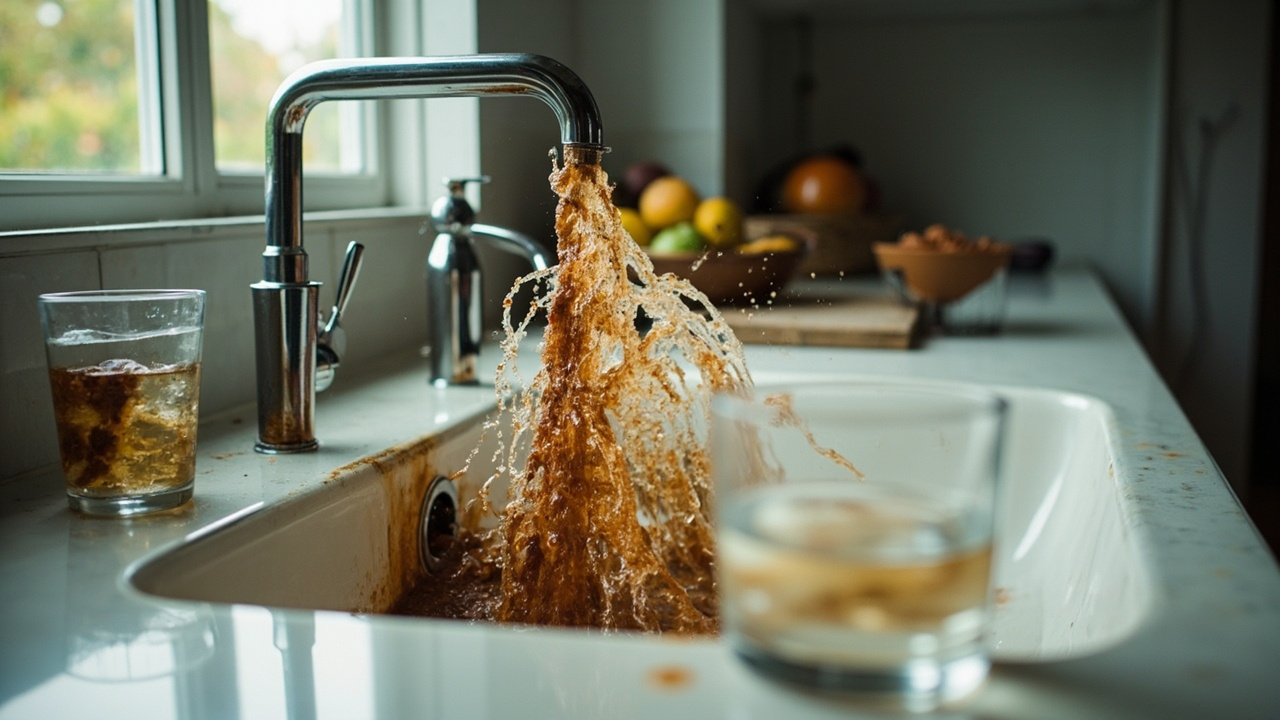
You turn on the tap and watch brown tap water stream out. Sometimes it is rusty colored water that stains the sink. Other times you see yellow water from faucet openings or discolored hot water when you run the shower. This is not just an aesthetic problem. It signals corrosion, sediment accumulation, or infrastructure failure somewhere in your plumbing system.

Houston's underground water supply travels through aging municipal pipes before reaching your home. The city's expansive footprint means some neighborhoods rely on infrastructure installed decades ago. When these pipes corrode, iron oxide particles break free and flow into your lines. You get reddish water from pipes every time pressure fluctuates or when maintenance crews work on mains.

Inside your home, galvanized steel supply lines corrode from the inside out. The process accelerates in areas with high mineral content or low pH water. Water heaters contribute to the problem when anode rods fail. Sediment settles at the bottom of the tank, gets stirred up, and pushes rust particles into your hot water lines. That explains why discolored hot water appears even when cold water runs clear.

Clay soil movement in Houston shifts pipe joints and cracks older cast iron drain lines. When groundwater seeps into damaged pipes, it carries iron-rich sediment that mixes with your supply. The result is brown tap water that refuses to clear even after flushing for several minutes.

You need accurate diagnosis. Guessing wastes time and money. Professional inspection pinpoints whether the problem originates in municipal supply, your service line, internal piping, or your water heater.

Why Your Faucets Are Running Brown in Houston
How Atlas Plumbing Houston Isolates and Fixes Water Discoloration

How Atlas Plumbing Houston Isolates and Fixes Water Discoloration

We start with isolation testing. If only hot water shows discoloration, we inspect the water heater tank for sediment buildup and anode rod failure. If cold water also runs discolored, we trace the problem upstream. We check pressure regulators, main shutoff valves, and service line entry points to determine if the issue originates outside your property or within your internal distribution system.

Visual inspection of exposed piping reveals corrosion patterns. We look for pitting, flaking rust, and mineral deposits on galvanized steel or copper lines. If you have older galvanized supply pipes, we explain that internal corrosion is irreversible. Flushing the system provides temporary relief, but the rust returns because the pipe interior continues to deteriorate.

For water heater issues, we drain the tank completely to remove sediment. We inspect the anode rod and replace it if necessary. If the tank interior shows advanced corrosion, we recommend replacement rather than repeated flushing. Attempting to salvage a failing tank wastes money and leaves you vulnerable to sudden failure and water damage.

When the problem traces to municipal supply, we coordinate with the city to verify main line flushing schedules or report chronic discoloration. If your service line is corroded, we replace the section between the main and your home with modern materials that resist rust.

We use PEX or copper for repiping projects. PEX offers flexibility that accommodates soil movement without cracking. Copper provides longevity and resists corrosion in most water chemistry conditions. We match material selection to your water quality, budget, and long-term maintenance preferences.

After repairs, we flush the entire system to clear residual sediment. We test water at multiple fixtures to confirm clarity and check pressure to ensure proper flow rates.

What Happens When You Report Rusty Water

Discolored or Rusty Water in Houston – Expert Diagnosis and Fast Repair for Safe, Clear Tap Water
01

Source Identification

We test water at multiple points in your home to determine if discoloration is isolated to hot water lines, specific fixtures, or the entire system. We inspect your water heater, check municipal supply pressure, and examine visible piping for corrosion or sediment. This step reveals whether you need targeted repairs or full system intervention.
02

Corrective Action

We execute the repair based on diagnosis. If the water heater is failing, we replace it. If galvanized supply lines are corroded, we repipe affected sections. If municipal supply is the culprit, we coordinate with the city and install point-of-use filtration if needed. We use materials that match Houston's water chemistry and soil conditions to prevent recurrence.
03

System Flushing and Testing

We flush all lines to remove loose sediment and rust particles. We run water at every fixture until it clears completely. We verify pressure at the farthest tap and check for leaks at all connection points. You receive documentation of work completed and recommendations for ongoing maintenance to keep your water clear.

Why Houston Residents Trust Atlas Plumbing Houston for Water Quality Issues

We have spent years diagnosing water quality problems in homes across Houston. We understand how the city's water treatment system works and where distribution infrastructure shows age. We know which neighborhoods are served by older cast iron mains and where galvanized service lines are common.

Houston's soil causes unique challenges. Clay expansion and contraction shifts pipe joints and cracks rigid materials. We account for this when selecting replacement piping. We use flexible materials where soil movement is active and reinforce connections to prevent future leaks.

We carry diagnostic equipment that measures water pH, iron content, and total dissolved solids. These readings tell us whether discoloration stems from corrosion, mineral deposits, or external contamination. We do not guess. We test, verify, and then propose solutions based on data.

Our technicians are familiar with local plumbing codes and permitting requirements. When we replace a water heater or repipe a section of your home, we pull permits and schedule inspections to ensure compliance. This protects your home value and prevents issues during future property transactions.

We also recognize that water discoloration can indicate health risks. High iron content is generally safe but signals pipe deterioration. Lead contamination is a separate concern in homes with older solder or fixtures. If we suspect lead or other contaminants, we recommend professional water testing through a certified lab. We do not perform water quality testing ourselves, but we guide you to the right resources.

You get transparent pricing before we start work. We explain what each repair involves, why it is necessary, and what happens if you delay. We do not upsell unnecessary services. If flushing your water heater solves the problem, we tell you. If you need a full repipe, we explain why temporary fixes will fail.

What to Expect When You Call Atlas Plumbing Houston

Rapid Response Time

We schedule diagnostic visits within 24 hours of your call. If you have no usable water due to severe discoloration, we prioritize your appointment and dispatch a technician the same day when possible. We arrive with testing equipment and common replacement parts to minimize return trips. You receive a time window for arrival, and we call ahead to confirm. Most diagnostic visits take 30 to 60 minutes depending on the complexity of your plumbing system.

Thorough Water Quality Assessment

We test water at multiple fixtures to isolate the problem. We inspect your water heater, main shutoff valve, pressure regulator, and exposed supply lines. We check for visible corrosion, mineral buildup, and pipe condition. If we suspect contamination beyond rust, we recommend certified laboratory testing. We explain findings in plain language and show you the physical evidence. You see the corroded pipe sections, the sediment in your water heater, or the rust particles in the water sample. No guesswork.

Clear Water Restoration

After repairs, you get clear water at every tap. We flush the system thoroughly to remove residual sediment. We verify water clarity and pressure at all fixtures. If we replace piping, you get modern materials that resist future corrosion. If we replace your water heater, you get proper temperature settings and sediment prevention guidance. We do not leave until you confirm the problem is resolved. You receive documentation of work performed and parts installed for future reference.

Maintenance Guidance and Follow-Up

We explain how to prevent future discoloration. If you have a new water heater, we recommend annual flushing to remove sediment before it accumulates. If we replace piping, we explain which materials require monitoring and which are maintenance-free. We answer questions about water softeners, filtration systems, and other options if your water chemistry contributes to corrosion. If you experience recurring discoloration after repairs, we return to investigate at no additional diagnostic charge. You have direct contact information for follow-up questions.

Frequently Asked Questions

You Have Questions,
We Have Answers

How to tell if water is rusty? +

Rusty water appears reddish-brown or orange when you run your tap. Fill a clear glass and hold it against a white surface. Rust particles settle at the bottom after a few minutes. You may notice a metallic smell or taste. The discoloration often appears first thing in the morning or after periods of no water use. Houston's aging galvanized pipes corrode over time, releasing iron oxide into your water supply. If only hot water looks rusty, your water heater likely needs attention. Cold and hot water discoloration points to corroded supply lines or municipal main breaks.

Is discolored water safe to drink? +

Discolored water is usually not a health emergency, but you should avoid drinking it. Iron and manganese cause most discoloration in Houston and are not toxic in small amounts. However, the discoloration signals potential problems. Corroded pipes can harbor bacteria. Sediment buildup may contain lead or other contaminants, especially in older Houston homes built before 1986. Run your cold water for several minutes. If it does not clear, stop using it for drinking or cooking. Contact your water provider to rule out main breaks. Get a professional inspection to identify the source.

What does discolored water mean? +

Discolored water signals corrosion in your plumbing system or disruption in the municipal supply. Brown or yellow tints indicate iron rust from aging pipes. Gray or black water suggests manganese or decomposing gaskets. Houston's clay soil shifts cause pipe stress and accelerate corrosion. High humidity speeds the oxidation process inside older galvanized lines. Municipal main breaks or nearby hydrant use stir up sediment in the distribution system. Your water heater may be failing if only hot water appears discolored. The issue requires diagnosis to prevent pipe failure or contamination from entering your drinking supply.

Is it okay to drink rusty water? +

No, you should not drink rusty water. While small amounts of iron are not immediately dangerous, rusty water indicates corroded pipes that may leach lead, copper, or harbor bacterial growth. Children and pregnant women face higher risks from heavy metal exposure. Rusty water tastes metallic and stains fixtures and laundry. Houston's older neighborhoods have galvanized steel pipes installed decades ago that corrode from the inside out. The rust you see is a warning sign of deteriorating infrastructure. Use bottled water until a licensed plumber inspects your system and identifies whether the source is your home or the municipal supply.

Does brown water mean pipes need replacing? +

Not always, but persistent brown water demands investigation. Temporary discoloration after municipal work usually clears within hours. If brown water continues for days or returns frequently, your pipes likely have significant corrosion. Houston homes built before 1970 often have galvanized steel pipes with a 40 to 70 year lifespan. Corroded pipes restrict water flow and affect pressure. A plumber can camera-inspect your lines to assess damage. Partial repiping may address isolated sections. Whole-house repiping becomes necessary when corrosion is widespread. Ignoring the problem leads to leaks, burst pipes, and potential water damage.

How to clear discoloured water? +

Run cold water from your taps for 10 to 15 minutes to flush sediment. Start with the tap closest to your main water line, then move to others. Avoid using hot water, which draws from your water heater and may worsen discoloration. If water does not clear after 20 minutes, stop and contact your water provider to check for main breaks. In Houston, municipal disturbances from construction or hydrant flushing cause temporary issues. If the problem persists, a plumber should inspect your pipes and water heater for corrosion or sediment buildup requiring professional cleaning.

Can I shower in discoloured water? +

Showering in discolored water is generally safe for your skin, but avoid ingesting it. The iron particles causing brown water do not absorb through skin. However, rusty water stains tubs, tile, and grout. It may discolor light-colored hair temporarily. If you notice a sulfur smell or black sediment, stop use immediately and call a plumber. These signs indicate bacterial growth or severe corrosion. Houston's high humidity and heat accelerate pipe degradation. Always investigate the cause. If your water provider confirms a municipal issue with a clear timeline, brief shower use is acceptable. Check for updates before resuming normal use.

Why does my water look brownish? +

Brownish water results from iron rust in your plumbing or the municipal system. Corrosion inside galvanized steel pipes releases iron oxide particles. Houston's clay soil shifts stress pipe joints and accelerate wear. Sediment buildup in your water heater creates rusty hot water. Municipal main breaks or hydrant use stir up rust and sediment in distribution lines. You may notice discoloration first thing in the morning after water sits overnight in pipes. If only cold water appears brown, the issue likely originates outside your home. Hot water discoloration points to your water heater needing flushing or replacement.

What are the symptoms of contaminated water? +

Contaminated water causes stomach cramps, nausea, diarrhea, and vomiting within hours of consumption. You may develop fever, headaches, or fatigue. Infants, elderly, and immunocompromised individuals face severe risks. Chronic exposure to lead or copper causes developmental delays in children and organ damage over time. Skin contact with bacteria-laden water may cause rashes or infections. If multiple household members develop symptoms after drinking tap water, seek medical attention. Houston residents should test well water annually and request municipal water quality reports. Always investigate sudden changes in water color, odor, or taste before resuming consumption.

Why is my water rusty all of a sudden? +

Sudden rusty water indicates a recent disturbance in your plumbing system or municipal supply. Houston Public Works may be flushing hydrants or repairing mains in your area, stirring up sediment. Internal pipe corrosion accelerates when water chemistry changes or flow patterns shift. Your water heater anode rod may have failed, allowing rapid tank corrosion. Pressure fluctuations from nearby construction can dislodge rust buildup. Clay soil movement common in Houston stresses underground pipes, causing cracks that introduce contaminants. Check with your water provider first. If the municipal system is clear, contact a licensed plumber to inspect your home's pipes and water heater immediately.

How Houston's Aging Water Infrastructure Contributes to Rusty Tap Water

Houston's water distribution system includes cast iron pipes installed in the mid-20th century. These mains corrode from the inside as water flow erodes protective linings. When the city performs maintenance or flushes hydrants, pressure surges dislodge rust particles that travel into service lines. Neighborhoods with older infrastructure experience chronic discoloration during dry months when sediment concentrates in pipes. If you live in areas developed before 1970, your yellow water from faucet likely traces to municipal supply issues combined with aging galvanized service lines.

Atlas Plumbing Houston knows which Houston neighborhoods are served by older mains and where galvanized supply lines are common. We coordinate with the city when municipal flushing is needed and recommend point-of-entry filtration if chronic discoloration persists. We also understand local permitting requirements for water heater replacement and repipe projects. Choosing a plumber familiar with Houston's infrastructure means faster diagnosis and solutions that account for regional water chemistry and soil conditions. You avoid trial-and-error repairs that fail because they ignore local factors.


Plumbing Services in The Houston Area

Explore our service area and locate Atlas Plumbing with ease. We’re proudly based in Houston and serve surrounding neighborhoods with fast, local plumbing solutions. Whether you need emergency assistance or routine service, we’re just around the corner. Use the map below to check our coverage area or stop by our office for in-person assistance. Our friendly team is ready to help and answer any questions you may have. Experience prompt, professional plumbing service close to home—reach out or visit today!

Address:
Atlas Plumbing Houston, 2200 Post Oak Blvd, Houston, TX, 77056

Additional Services We Offer

Our news updates

Latest Articles & News from The Blogs

Choosing the Right Professional for Safe Gas Line Repairs Around Pearland Gas leaks in Pearland require fast action and expert…

Who You Should Call for Safe Gas Line Repairs Around Pearland

Choosing the Right Professional for Safe Gas Line Repairs Around Pearland Gas leaks in Pearland require fast action and expert…

Professional Drain Cleaning in Cypress That Clears the Clog for Good

Cypress homeowners often struggle with drains that refuse to stay clear. When you live in neighborhoods like Bridgeland or Fairfield,…

Why Tech Forward Homeowners in Memorial are Swapping to Touchless Kitchen Faucets

Smart Kitchen Upgrades in Memorial Homes for 2026Homeowners in the Memorial area are leading the shift toward smarter more efficient…

Contact Us

Call Atlas Plumbing Houston at (281) 572-0064 to schedule a water quality diagnostic. We identify the source of discoloration and restore clear water fast. No guessing. No delays. Just expert diagnosis and proven repairs.