menu

Sediment Buildup in Pipes in Houston | Expert Diagnosis and Complete System Restoration

Atlas Plumbing Houston specializes in identifying and removing mineral deposits, calcium buildup, and limescale accumulation that restrict flow and damage fixtures throughout the greater Houston metro area.

Slider Image 1
Slider Image 2
Slider Image 3
Slider Image 4
Slider Image 5
Slider Image 7
Slider Image 8
Slider Image 9
Slider Image 10
Slider Image 11

Why Houston Homes Battle Constant Pipe Sediment and Mineral Accumulation

You turn on the tap and the water pressure barely pushes through. Your water heater makes popping sounds. Your fixtures show white crusty buildup. These are not random plumbing annoyances. They are symptoms of sediment buildup in pipes, and Houston's water chemistry makes this problem worse than in most cities.

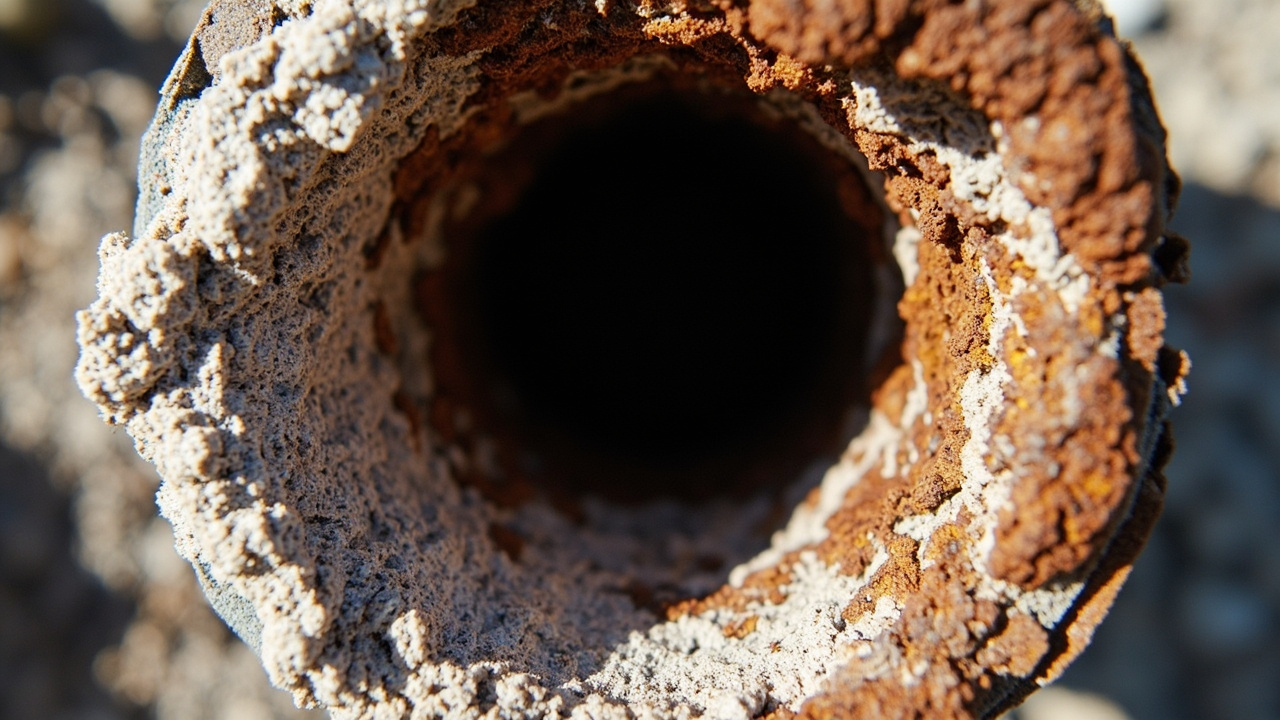
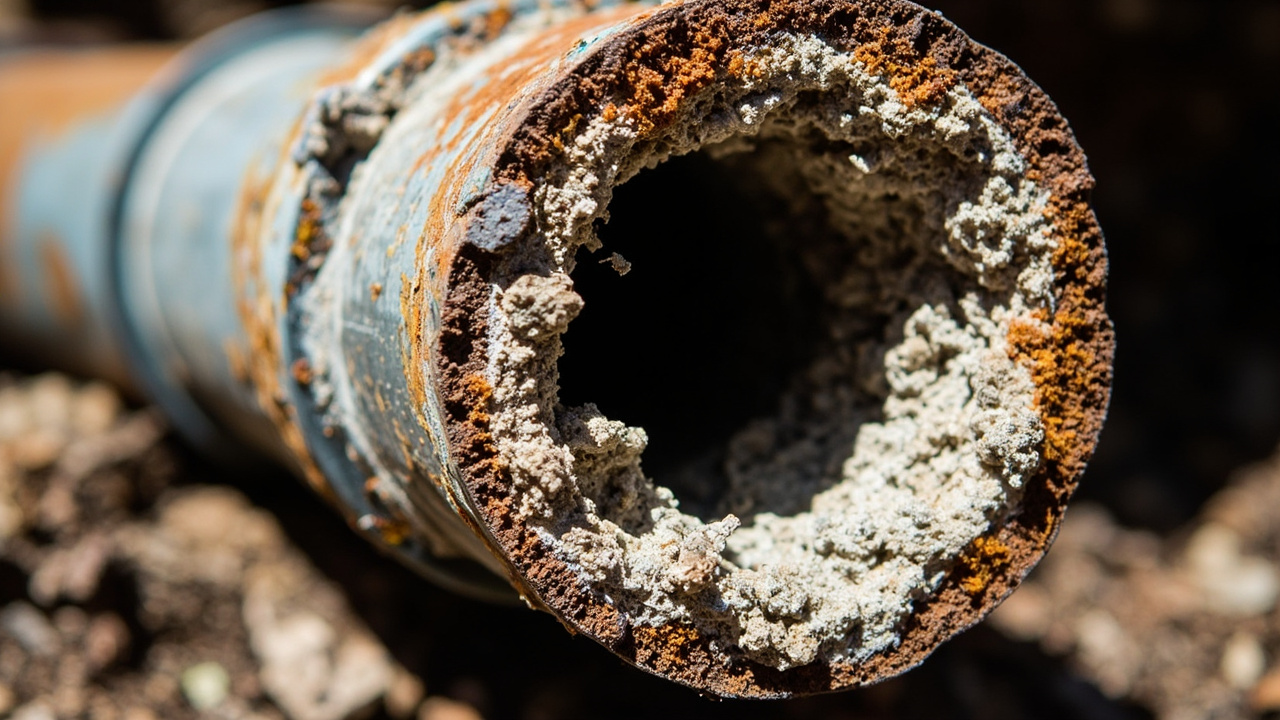
Houston draws water from multiple sources, including surface water from Lake Houston and groundwater from the Gulf Coast Aquifer. Both sources contain high concentrations of dissolved minerals, primarily calcium and magnesium. When this hard water flows through your pipes, heat causes the minerals to precipitate out of solution. Over time, calcium buildup in water lines forms a hard, rock-like layer that narrows pipe diameter and restricts flow.

The problem accelerates in water heaters and hot water lines. As temperature rises, mineral deposits in water pipes accumulate faster. This is why your hot water pressure often drops before cold water pressure does. The sediment settles at the bottom of your water heater tank, reducing efficiency and creating that rumbling noise as trapped water boils beneath the layer of scale.

Limescale accumulation in plumbing does not just reduce pressure. It creates surface roughness that traps bacteria and accelerates corrosion. Galvanized pipes common in older Houston neighborhoods are especially vulnerable. The zinc coating breaks down, and pipe calcification problems layer on top of existing rust, creating a snowball effect that eventually chokes off flow completely.

Hard water pipe scaling also damages fixtures, appliances, and water-using equipment. Dishwashers, washing machines, and irrigation systems all suffer reduced lifespan and efficiency when fed with mineral-heavy Houston water. The problem is not going away on its own.

Why Houston Homes Battle Constant Pipe Sediment and Mineral Accumulation
How We Remove Sediment and Restore Full Water Flow

How We Remove Sediment and Restore Full Water Flow

Atlas Plumbing Houston does not guess at sediment problems. We diagnose first. We use pressure testing at multiple fixture points to map where restrictions exist. A 10 PSI drop between the street and a bathroom faucet tells us scaling is present and severe. We also inspect water heater anode rods and drain ports to assess internal sediment levels.

For water heaters, we perform a full tank flush using high-volume reverse flow. This is not the quick drain-and-fill most companies do. We connect a pump system that forces water backward through the drain valve, breaking up compacted sediment at the tank bottom and clearing it completely. We inspect the sacrificial anode rod and replace it if corrosion is advanced. A degraded anode rod accelerates tank wall corrosion.

For supply lines, the solution depends on pipe material and scale severity. In moderate cases, we use descaling agents formulated for potable water systems. These break down calcium carbonate and magnesium hydroxide without damaging copper or PEX. We circulate the solution through isolated sections, allowing dwell time for the chemical reaction to occur, then flush thoroughly.

In severe cases where pipe calcification has reduced effective diameter by 50 percent or more, chemical descaling will not restore full flow. We recommend targeted repiping of the most affected sections. We use PEX or copper depending on application and budget. PEX resists scale buildup better than metal pipe because its smooth interior gives minerals fewer nucleation points.

We also install sediment filters and whole-home water softeners where appropriate. A softener exchanges calcium and magnesium ions for sodium ions, preventing future hard water pipe scaling. Sediment filters capture loose particulate before it enters your plumbing. These solutions address the source, not just the symptom.

What Happens During a Sediment Removal Service Call

Sediment Buildup in Pipes in Houston | Expert Diagnosis and Complete System Restoration
01

Pressure and Flow Testing

We measure static and dynamic water pressure at your main shutoff, water heater outlet, and multiple fixture locations. This data reveals exactly where restrictions exist. We also test hot versus cold flow rates to determine whether the problem is systemic or isolated to heated lines. Accurate diagnostics prevent unnecessary work and get you a targeted solution.
02

Sediment Removal and Descaling

We flush water heaters using reverse-flow methods and clear drain valves clogged with scale. For supply lines, we apply circulation descaling for moderate buildup or recommend repiping for severe calcification. We also clean aerators, showerheads, and fixture valves where mineral deposits restrict flow. Each step is chosen based on the specific conditions we find in your system.
03

Prevention System Installation

After clearing existing buildup, we recommend prevention measures. Whole-home water softeners stop future scaling. Sediment filters catch particulate. We also lower water heater temperature to 120 degrees, which slows mineral precipitation without sacrificing comfort. You get a system that stays cleaner longer and a plan to avoid repeating this expensive process in five years.

Why Atlas Plumbing Houston Understands Your Water Better Than National Chains

Houston water is not like water in Phoenix or Denver or Chicago. The mineral content, pH, and source variability here create specific challenges that require local knowledge. Atlas Plumbing Houston has worked in this city long enough to know which neighborhoods pull from which treatment plants and how that affects your plumbing.

Homes near the San Jacinto River basin often have higher chloride levels, which accelerate copper pipe corrosion when combined with scale buildup. Homes in older areas like the Heights or Montrose have galvanized steel supply lines that are especially prone to internal rust and calcium layering. Newer developments in Katy or Sugar Land often have PEX plumbing, which resists scaling but can still suffer from sediment clogging at connection points and valves.

We also understand Houston building codes and how they have changed over the decades. Homes built before 1986 may have lead solder joints. Homes built in the 1970s and 1980s often have polybutylene supply lines, which are now known to fail. When we open walls to replace scaled sections of pipe, we check for these legacy issues and flag them before they become emergencies.

National franchise plumbers follow a script. They run the same diagnostics in Houston that they run in Boston. They recommend the same cookie-cutter solutions regardless of local water chemistry. That approach costs you money because it does not address the root cause. We know what works here because we have seen thousands of Houston homes and learned what fails and what lasts.

You also get transparency. We explain what we find, why it happened, and what your options are. We do not upsell unnecessary services. If a tank flush will solve your problem, we do not push a full repipe. If repiping is the only real fix, we do not waste your money on temporary descaling. You get honest answers.

What You Can Expect When You Call Atlas Plumbing Houston

Fast Response and Scheduling Flexibility

We know sediment buildup frustrates you daily. Low water pressure makes showers miserable and dishwashing slow. We offer same-day and next-day appointments for most service calls. Our dispatch team will give you a clear arrival window and call ahead when the technician is on the way. We also offer early morning and Saturday slots for customers who cannot take time off work. You will not wait two weeks for relief.

Thorough Diagnostics Before Any Work Begins

Our technicians arrive with pressure gauges, inspection cameras, and water testing kits. We measure, document, and photograph what we find. You will see exactly where the problem is and how severe it has become. We then walk you through your options, explain the pros and cons of each approach, and give you a written estimate before starting any work. You stay in control of the process and the budget.

Clean, Lasting Results You Can Feel Immediately

When we finish a descaling or repiping job, you will notice the difference immediately. Water pressure rebounds to normal levels. Your water heater stops making noise. Fixtures flow smoothly without sputtering or spraying. We test pressure at multiple points after completion to confirm full restoration. We also clean up completely, haul away old pipe sections and sediment, and leave your home as clean as we found it.

Prevention Guidance and Maintenance Planning

After clearing sediment, we provide a written maintenance plan tailored to your water quality and plumbing age. This includes water heater flush intervals, filter replacement schedules, and signs to watch for that indicate recurring buildup. If you install a softener or filtration system, we explain how to maintain it and offer annual service checkups. You get a roadmap to avoid expensive surprises and extend the life of your plumbing.

Frequently Asked Questions

You Have Questions,
We Have Answers

How much to flush pipes in a house? +

Flushing pipes in a Houston home ranges based on system size and sediment severity. Most residential flushes cost between modest and moderate amounts, depending on water heater flushing, main line jetting, or whole-house hydro-jetting. Houston's hard water accelerates mineral deposits, which means you may need more intensive cleaning. A simple water heater drain takes less time than clearing galvanized pipes packed with rust and calcium. Expect the plumber to assess your pipe material, age, and water pressure before quoting. Budget more if your home has old galvanized lines common in older Houston neighborhoods.

What causes sediment buildup in pipes? +

Sediment buildup comes from Houston's hard water, which carries dissolved minerals like calcium and magnesium. As water sits or flows through pipes, these minerals precipitate and stick to pipe walls. Older galvanized steel pipes corrode internally, adding rust flakes and scale. Clay soil shifting in Houston can crack underground lines, letting dirt and silt infiltrate. Water heaters accumulate sediment at the bottom as minerals settle out during heating. Municipal water treatment residue and organic matter also contribute. Over time, layers of scale, rust, and mineral deposits narrow pipe diameter, reducing flow and pressure.

How to get rid of debris in pipes? +

Removing debris requires professional hydro-jetting or mechanical snaking, depending on blockage type. Hydro-jetting uses high-pressure water to scour pipe walls and flush debris out through drain lines. This works well for Houston homes with mineral scale or sludge buildup. For solid obstructions, plumbers use augers or sectional cable machines to break up and extract debris. You cannot fix this with store-bought drain cleaners, which only dissolve organic matter and can corrode pipes. A camera inspection identifies debris type and location before the plumber selects the correct removal method.

How to remove silt from pipes? +

Silt removal demands hydro-jetting to flush particulate matter from pipes. Silt enters through cracked underground lines, backflow events, or well water infiltration. In Houston, shifting clay soil fractures aging sewer laterals, letting dirt seep into the system. A plumber feeds a jetting nozzle into the line, blasting silt loose with pressurized water while flushing it downstream. For severe blockages, they may excavate and replace the damaged pipe section to stop future infiltration. Regular inspections catch silt problems early before they pack solid and require full pipe replacement.

How Houston's Gulf Coast Water Chemistry Accelerates Pipe Scaling

Houston sits on the Gulf Coastal Plain, where groundwater flows through layers of sand, clay, and limestone. This geology loads the water with calcium, magnesium, and bicarbonates. Surface water from Lake Houston and the San Jacinto River carries sediment and organic matter that treatment plants reduce but do not eliminate completely. The result is water that meets EPA safety standards but still carries enough dissolved minerals to create limescale accumulation in plumbing over time. The heat and humidity that define Houston weather also mean your water heater works harder and runs hotter, which speeds up mineral precipitation inside tanks and hot water lines.

Atlas Plumbing Houston has worked with the same neighborhoods, the same housing stock, and the same water supply variations for years. We know which streets in Bellaire have chronic sediment issues and which subdivisions in Pearland deal with iron staining on top of calcium buildup. We understand how the city's decades of infrastructure expansion has created pockets with older pipe materials that react poorly to mineral-heavy water. That experience means we diagnose faster, recommend smarter solutions, and deliver results that last.

Plumbing Services in The Houston Area

Explore our service area and locate Atlas Plumbing with ease. We’re proudly based in Houston and serve surrounding neighborhoods with fast, local plumbing solutions. Whether you need emergency assistance or routine service, we’re just around the corner. Use the map below to check our coverage area or stop by our office for in-person assistance. Our friendly team is ready to help and answer any questions you may have. Experience prompt, professional plumbing service close to home—reach out or visit today!

Address:
Atlas Plumbing Houston, 2200 Post Oak Blvd, Houston, TX, 77056

Additional Services We Offer

Our news updates

Latest Articles & News from The Blogs

Choosing the Right Professional for Safe Gas Line Repairs Around Pearland Gas leaks in Pearland require fast action and expert…

Who You Should Call for Safe Gas Line Repairs Around Pearland

Choosing the Right Professional for Safe Gas Line Repairs Around Pearland Gas leaks in Pearland require fast action and expert…

Professional Drain Cleaning in Cypress That Clears the Clog for Good

Cypress homeowners often struggle with drains that refuse to stay clear. When you live in neighborhoods like Bridgeland or Fairfield,…

Why Tech Forward Homeowners in Memorial are Swapping to Touchless Kitchen Faucets

Smart Kitchen Upgrades in Memorial Homes for 2026Homeowners in the Memorial area are leading the shift toward smarter more efficient…

Contact Us

Call Atlas Plumbing Houston today at (281) 572-0069 to schedule a sediment inspection and pressure test. We will show you exactly what is happening in your pipes and give you a clear plan to fix it.