
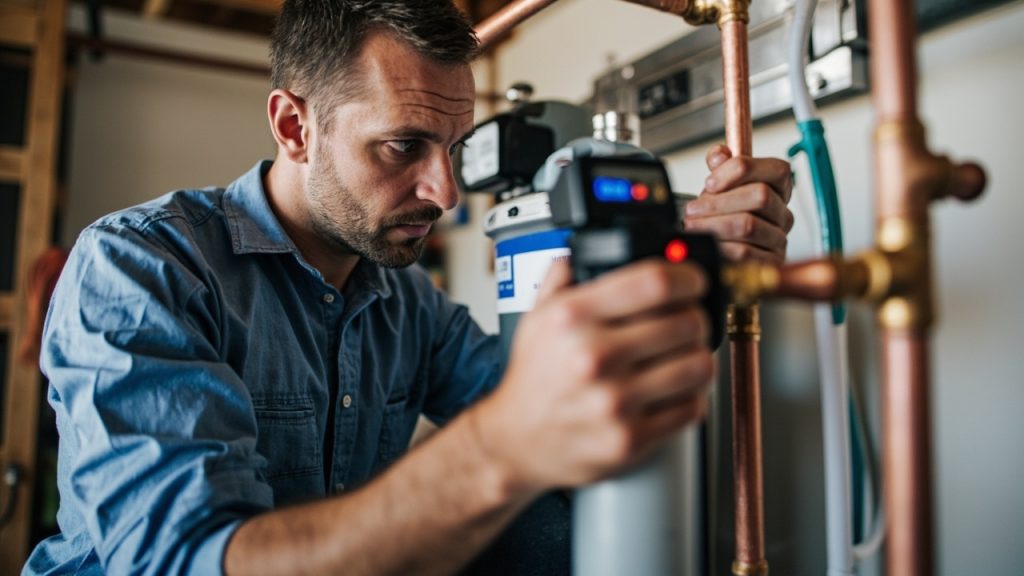
Sugar Land residents face a constant battle against mineral buildup in their plumbing systems. The water in Fort Bend County contains high levels of dissolved calcium and magnesium. These minerals create what we call hard water. Over time, these minerals settle inside your pipes and on your fixtures. This creates a hard crust known as scale. If you live in neighborhoods like First Colony or Riverstone, you have likely seen white spots on your faucets or felt a film on your skin after a shower. These are clear signs of hard water issues that require professional attention.
Hard water is not just a cosmetic problem. It actively destroys your plumbing infrastructure. In 2026, many Sugar Land homeowners are upgrading to modern filtration to prevent long-term damage. Dealing with hard water scale in your Sugar Land pipes and fixtures starts with understanding what is in your water. When calcium carbonate builds up, it narrows the internal diameter of your pipes. This leads to low water pressure issues throughout your home. It also forces your appliances to work harder, which increases your monthly utility bills.
Understanding Sugar Land Water Hardness Levels
Water hardness is measured in grains per gallon or GPG. The City of Sugar Land often reports hardness levels that range from 12 to 18 grains per gallon. Anything over 10 grains is considered very hard. This high mineral content comes from the groundwater sources used across the region. As this water travels from the municipal treatment plant to your home in New Territory or Greatwood, it carries these minerals in a dissolved state. Once the water enters your home and gets heated, the minerals solidify. This process happens most rapidly inside your water heater.
You can check current reports at the City of Sugar Land official website to see the latest mineral counts. High GPG levels mean that every gallon of water moving through your home is leaving behind a tiny amount of rock. After a few years, those tiny amounts turn into a thick layer of insulation inside your pipes. This insulation prevents heat transfer in your appliances. It also creates a rough surface where more minerals can grab hold. This cycle continues until your pipes are nearly choked off or your water heater fails prematurely.
The Impact of Scale on Local Appliances and Fixtures
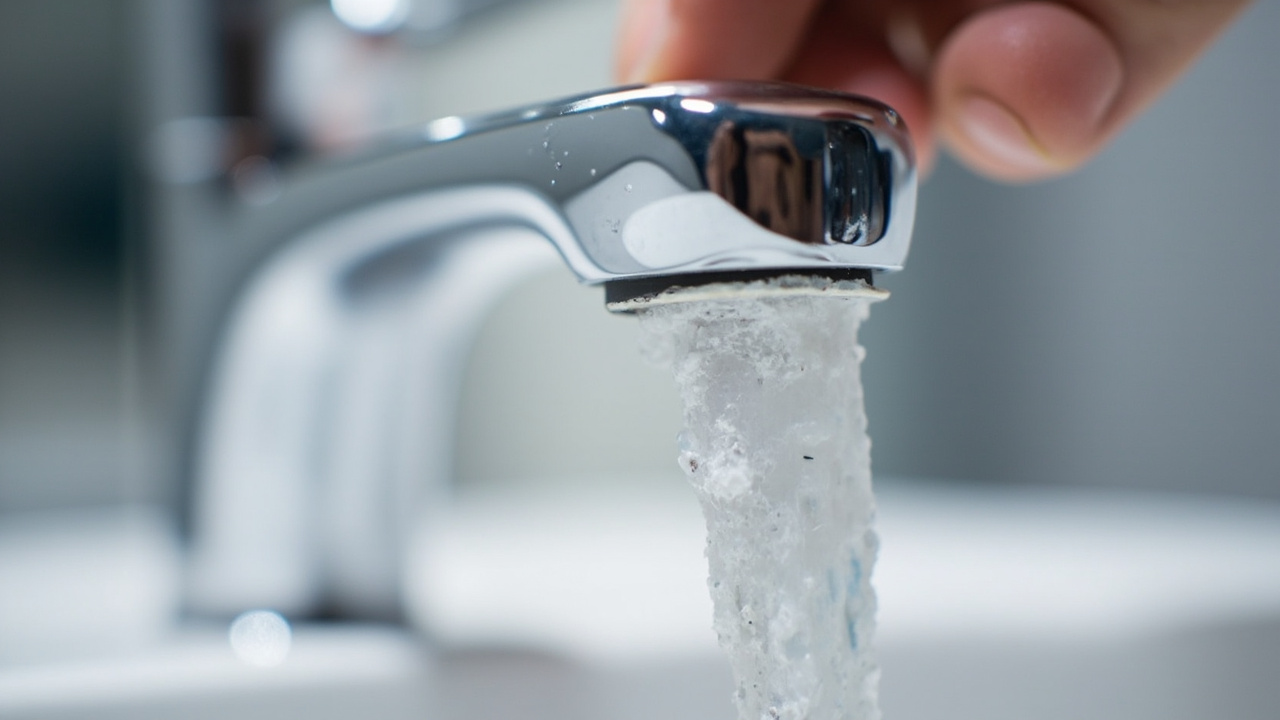
Your dishwasher and washing machine are often the first to show symptoms. You might notice that your clothes feel stiff or your dishes have a cloudy appearance. This is not the fault of your detergent. The minerals in the water prevent soap from lathering correctly. This creates a sticky curd that clings to surfaces. In your bathroom, you will see green or white crust around the base of your faucets and showerheads. This scale can eventually block the small holes in your showerhead, leading to an uneven spray pattern.
The most expensive damage happens where you cannot see it. Your water heater repair and installation needs often stem from scale buildup. As the heating elements in a tank-style heater fire up, they attract calcium. This creates a layer of sediment at the bottom of the tank. You might hear a popping or rumbling sound when the heater is running. That sound is steam bubbles escaping from beneath a thick layer of hardened minerals. This causes the tank to overheat and eventually leak. If you have a tankless system, the small heat exchanger can become completely clogged in just a few years without proper soft water.
Comparison of Water Softening Technologies for Sugar Land Homes
Choosing the right system depends on your specific water usage and the size of your home. Use the table below to compare the most common options available in 2026.
| System Type | Technology Used | Primary Benefit | Maintenance Needs |
|---|---|---|---|
| Ion Exchange | Salt-based resin beads | Total removal of calcium | Monthly salt refills |
| Salt-Free Conditioner | Template Assisted Crystallization | Prevents scale sticking | Filter change every 2 years |
| Dual Tank System | Alternating resin tanks | Continuous soft water | Monthly salt refills |
| Reverse Osmosis | Semi-permeable membrane | Pure drinking water | Annual filter changes |
The Process of Water Softener Installation Sugar Land
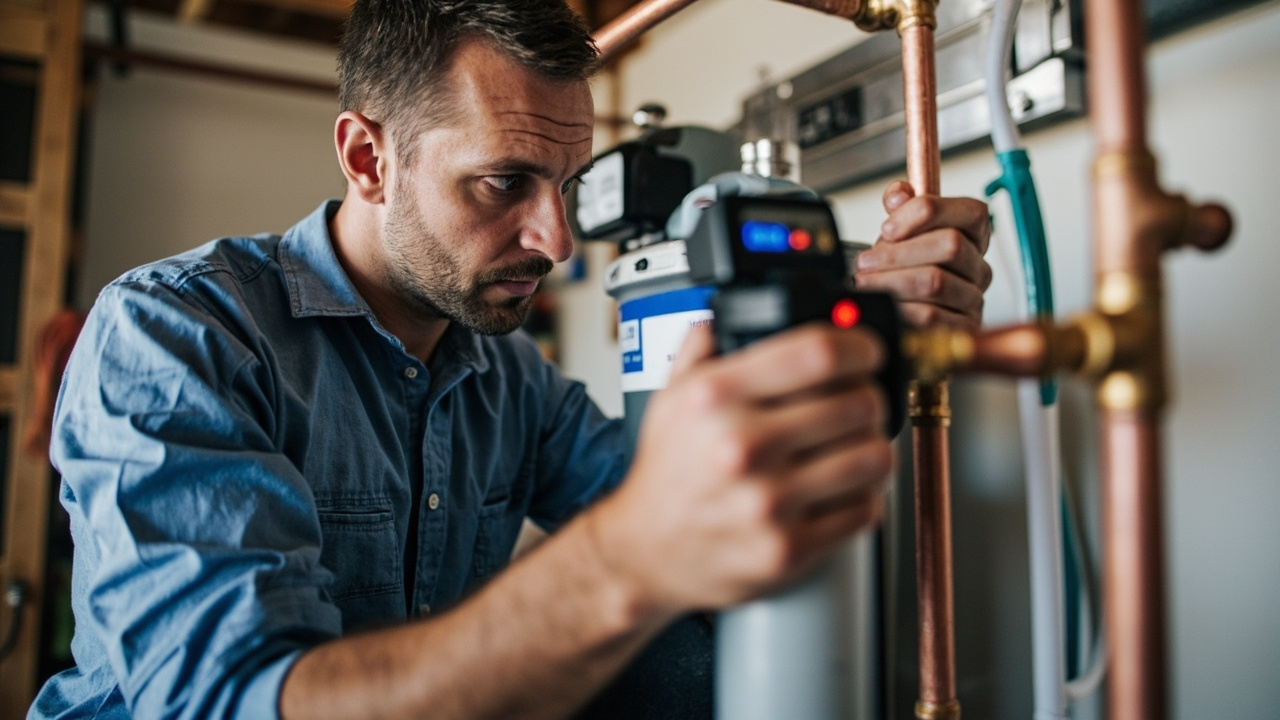
A professional installation begins with a site assessment. We look for your main water shut-off valve and an available drain line. Most homes in Sugar Land are built with a plumbing loop in the garage specifically for a water softener. If your home lacks this loop, we must create a bypass to integrate the system into your main line. We also check for a nearby electrical outlet to power the control valve. This valve is the brain of the system. It manages the regeneration cycles based on how many gallons of water you use.
Proper sizing is the most critical step. We calculate the grain capacity required for your household size and the hardness level of your water. A system that is too small will regenerate too often, wasting water and salt. A system that is too large might have stagnant water issues. Once sized, we install the brine tank and the resin tank. We use high-quality piping to connect the system to your home. We then program the control valve with the exact GPG count of your local Sugar Land neighborhood to ensure maximum efficiency. We also verify compliance with the Water Quality Association standards for safe home water treatment.
Maintenance Requirements for Sugar Land Softeners
Once you have a system, you must maintain it to keep your pipes clear. The brine tank needs a fresh supply of salt every four to six weeks. We recommend using high-purity salt pellets to prevent salt bridges. A salt bridge is a hard crust that forms in the tank, preventing the salt from dissolving into the water. If this happens, your system will stop softening the water even if the tank looks full. You should also check the resin tank for iron fouling if you notice your water quality changing. Iron can coat the resin beads and prevent them from grabbing calcium.
Modern systems in 2026 often include smart sensors that alert you via a phone app when salt levels are low. This technology helps prevent the accidental return of hard water into your pipes. If you go too long without salt, scale can quickly begin to reform in your appliances. We also suggest an annual professional inspection. A licensed plumber can check the bypass valves and ensure the regeneration cycle is discharging correctly into your drain line. This prevents backups that could lead to an overflowing toilet repair or other drainage issues in the home.
Typical Maintenance Schedule and Costs
Maintaining your system is much cheaper than replacing a scaled-up plumbing system. The following table outlines the standard care needed for a Sugar Land water softener.
| Task | Frequency | Impact of Neglect |
|---|---|---|
| Salt Refill | Monthly | Immediate hard water return |
| Resin Cleaning | Annually | Reduced softening capacity |
| Seal and Spacer Check | Every 3 years | Internal leaks and wasted water |
| Sanitization | Annually | Bacterial growth in tanks |
Protecting Your Home from Mineral Damage
If you have lived with hard water for a long time, your pipes may already have significant sediment buildup in pipes. Installing a softener stops new scale from forming. It can also help slowly dissolve existing scale over several months. However, in extreme cases where the pipes are nearly closed, you might need more intensive repairs. This is why we often perform a camera inspection of the main lines before a new installation. We want to ensure your plumbing can still handle the flow once the water is soft.
Protecting your fixtures also means checking your aerators and showerheads. After installing a softener, you should remove and clean these components one last time. This removes the old debris that could continue to restrict flow. You will notice that your soap now creates a rich lather with very little product. Your hair will feel softer and your skin will lose that itchy, dry feeling common in Fort Bend County winters. The long-term savings on appliance replacement alone often cover the cost of the system within a few years.
Signs You Need an Immediate Water Quality Assessment
If you are unsure if your home needs a system, look for these specific red flags. These indicators suggest your water hardness is high enough to cause plumbing failure.
- Frequent clogs in faucet aerators and showerheads.
- Visible white crust on the outside of your water heater valves.
- A drop in water pressure when using multiple fixtures.
- Unusual noises coming from your water heater tank.
- Stiff or dingy laundry even when using high-quality detergents.
- Cloudy glass shower doors that do not come clean with standard vinegar.
- High utility bills due to inefficient heating of water.
Sugar Land homes with PEX piping are slightly more resistant to scale sticking than older copper pipes, but the fixtures and appliances remain vulnerable. If you live in an older section of First Colony with copper lines, the risk of pinhole leaks increases when scale and corrosion interact. You can learn more about the differences in our PEX vs copper piping guide to see how your specific home might react to local water conditions.
Choosing the Right Plumber for Sugar Land Installations
When you look for plumbing Sugar Land experts, ensure they understand local building codes. In 2026, the City of Sugar Land has specific requirements for where a softener can drain. It must not create a cross-connection with your potable water supply. A licensed plumber will install an air gap to prevent any chance of sewage backing up into your softening system. This is a critical safety feature that DIY installations often miss.
We also look at the specific needs of your home style. For example, large homes in Riverstone might require a high-flow control valve to ensure you do not lose pressure when the irrigation system and the master shower run at the same time. We also consider the impact on your tankless water heater services. Tankless units are very sensitive to minerals. A softener is often a requirement to maintain the manufacturer warranty on these units in our area. We provide a full assessment of your current plumbing health before making any equipment recommendations.
Soft water changes how you live in your home. It reduces the time you spend scrubbing surfaces and the money you spend on repairs. If you are dealing with hard water scale in your Sugar Land pipes and fixtures, now is the time to act. Modern filtration technology is more efficient and easier to maintain than ever before. Contact a local expert to test your GPG levels and find a solution that fits your household needs. Protecting your home from the inside out is the best investment you can make for your plumbing system in 2026.
If you notice signs of scale or suspect your water heater is struggling, reach out for a consultation. We help families across Sugar Land, from Greatwood to New Territory, enjoy cleaner and safer water every day. Do not let hard water minerals shorten the life of your expensive appliances or clog your pipes. Professional water softener installation is the most effective way to ensure your home plumbing remains in top condition for years to come.