menu

Water Stains on Ceiling or Walls in Houston | Expert Leak Source Detection and Permanent Repair

Our plumbers use thermal imaging and pressure testing to pinpoint hidden leaks behind your water stains, then fix the source and prevent mold growth in Houston's humid climate.

Slider Image 1
Slider Image 2
Slider Image 3
Slider Image 4
Slider Image 5
Slider Image 7
Slider Image 8
Slider Image 9
Slider Image 10
Slider Image 11

Why Houston Homes Get Brown Spots and Yellow Water Marks

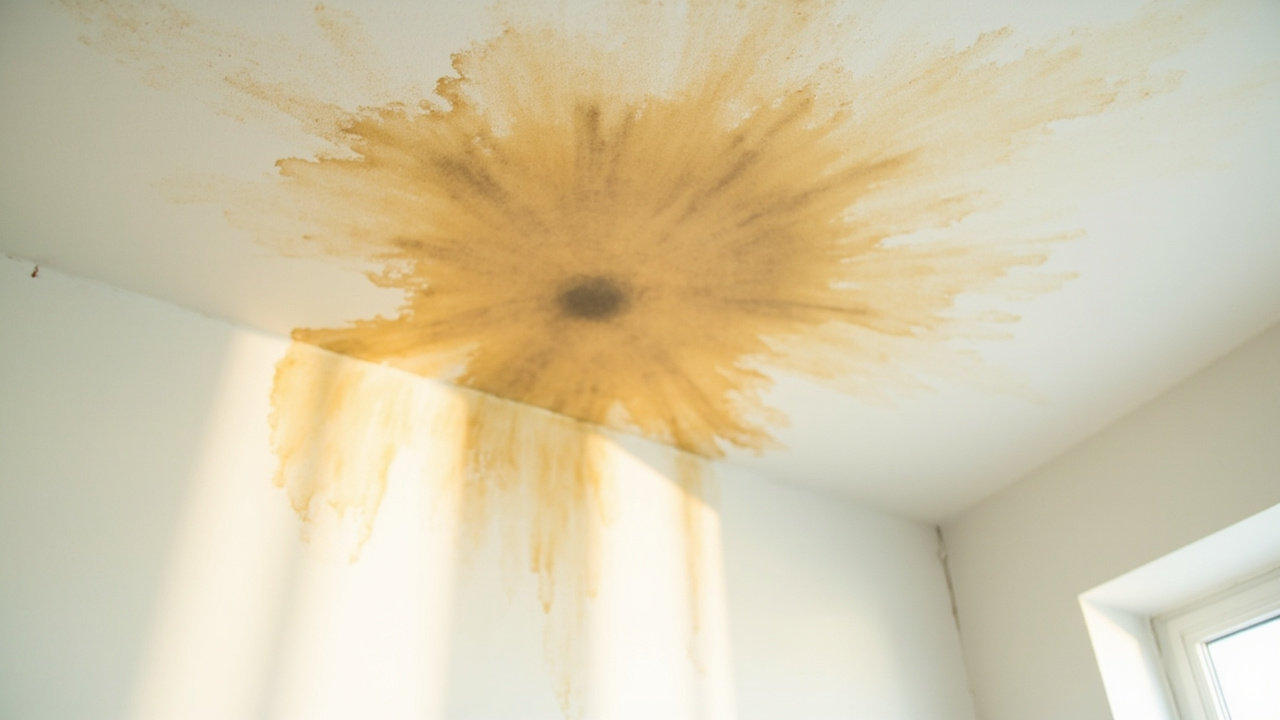
You walk into your living room and see it. A brown spot spreading across your ceiling. Yellow water marks creeping down the wall near your bathroom. Damp patches that smell like mildew. You touch the drywall and your finger sinks in slightly.

This is not normal wear and tear. This is active water damage.

Houston's climate makes ceiling discoloration from leak problems especially aggressive. Our humidity stays between 60% and 90% year-round. When water breaches your drywall or ceiling, it does not dry out quickly. It soaks in. The moisture stains on drywall you see today started days or weeks ago behind the surface.

The clay soil under Houston homes shifts constantly. Foundations move. Slab foundations crack. When your house settles, supply lines and drain pipes flex and eventually leak. Second-story bathrooms are common culprits. A slow leak from a shower pan or toilet seal drips onto the ceiling below for months before you notice the stain.

Roof penetrations around vent stacks and plumbing boots fail in our summer heat. Water runs down the outside of your drain stack inside the wall cavity. You get damp patches on walls that appear nowhere near a faucet or fixture.

The stain you see is just the symptom. The leak is the disease. Painting over it or patching the drywall does nothing if the water source keeps running.

Why Houston Homes Get Brown Spots and Yellow Water Marks
How We Find and Fix the Leak Behind Your Water Stains

How We Find and Fix the Leak Behind Your Water Stains

Most homeowners assume the water stain shows exactly where the leak is located. It does not. Water travels along joists, pipes, and electrical conduit before it soaks through at the weakest point in your ceiling or wall.

Atlas Plumbing Houston uses a systematic diagnostic process to isolate the actual source.

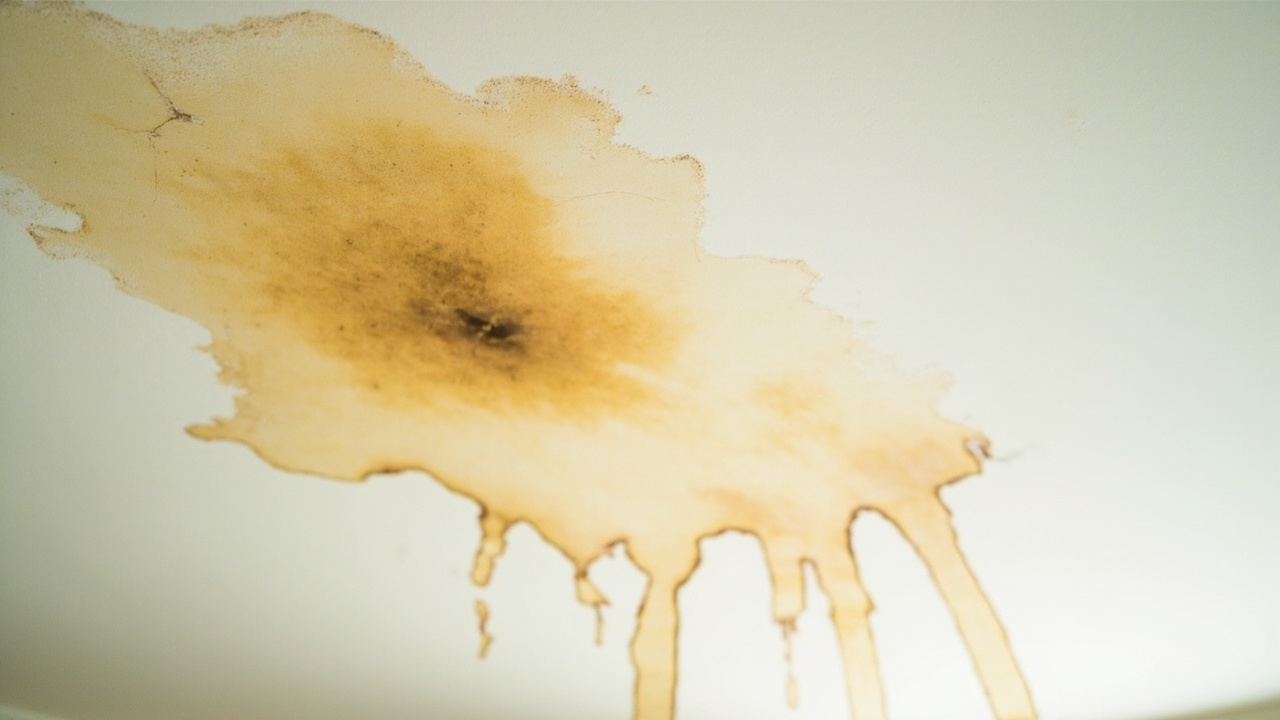
We start with a visual inspection of the stain pattern. Brown spots on ceiling with irregular edges and a darker center indicate an active leak. Old stains are uniform and flat. We check directly above the stain for obvious sources like toilets, sinks, or water heaters. We inspect attic spaces for roof leaks or condensation from HVAC ducts.

If the source is not obvious, we use thermal imaging cameras. These detect temperature differences behind drywall. Active water leaks show up as cool spots because evaporation lowers surface temperature. This lets us see wet areas inside walls and ceilings without cutting exploratory holes everywhere.

For suspected slab leaks or pressurized supply line leaks, we perform static pressure tests. We isolate sections of your plumbing system and monitor for pressure drops. This confirms whether the leak is in your hot water lines, cold water lines, or drain system.

Once we locate the leak, we make surgical access cuts to reach the failed pipe or fixture. We repair or replace the damaged section using PEX repiping, push-fit couplings, or soldered copper joints depending on your existing system. We pressure test the repair before closing the wall.

We do not repair drywall or paint. That is not our trade. We fix the plumbing problem so your contractor can repair the cosmetic damage without it coming back.

What Happens During a Water Stain Investigation

Water Stains on Ceiling or Walls in Houston | Expert Leak Source Detection and Permanent Repair
01

Stain Analysis and Mapping

We photograph and measure the extent of your ceiling discoloration from leak or moisture stains on drywall. We map the stain location relative to plumbing fixtures, appliances, and roof penetrations. We check for active moisture using handheld meters to determine if the leak is currently running or dormant. This baseline tells us how urgent the situation is and whether mold remediation will be necessary.
02

Leak Source Isolation

We trace potential water paths from the stain back to likely sources. We inspect all fixtures and appliances within a 15-foot radius above and around the damaged area. We perform dye tests in drains, run water through suspect fixtures, and use thermal imaging to detect hidden moisture behind finished surfaces. If the leak is pressurized, we isolate zones and test each section until we confirm the exact pipe or fitting failure.
03

Repair and Verification

We make the necessary plumbing repair using code-compliant materials and methods. We pressure test the repair at 100 PSI for drain work or 150 PSI for supply lines. We document the fix with photos and explain what failed and why. You receive a written summary of the repair and recommendations for preventing future leaks in other vulnerable areas of your plumbing system.

Why Houston Homeowners Trust Atlas Plumbing for Water Damage Investigations

Water stains terrify homeowners because they signal hidden damage. You do not know if you are looking at a minor drip or a major failure. You do not know if mold is already growing. You do not know how much this will cost.

Guessing is expensive. Cutting random holes in your ceiling to find the leak wastes money and creates unnecessary repair costs. Hiring a handyman who patches the stain without fixing the source means you pay twice when it comes back.

Atlas Plumbing Houston has diagnosed thousands of water stains in Houston homes. We know the typical failure points in pier and beam foundations common in older Houston neighborhoods like the Heights and Montrose. We know how slab foundations in newer suburbs like Katy and Sugar Land crack along expansion joints. We know which pipe materials fail first in homes built during specific decades.

We understand Houston's building codes and how they have changed. Homes built before 1980 often have galvanized steel supply lines that corrode from the inside. Homes from the 1990s have polybutylene pipes that become brittle. Newer homes have PEX that rarely fails unless it was installed incorrectly.

We carry diagnostic equipment that most plumbers do not own. Thermal cameras cost thousands of dollars. Pressure testing equipment requires training and calibration. We invested in these tools because guessing wastes your time and money.

We also understand the insurance claim process. If your leak qualifies for coverage, we provide detailed documentation your adjuster needs. We separate the plumbing repair cost from the drywall and paint work. We identify whether the damage was sudden or gradual, which affects your claim approval.

You need a plumber who treats water stain investigations like a forensic analysis, not a quick patch job.

What to Expect When You Call About Water Stains

Response Time and Scheduling

We schedule water stain investigations within 24 to 48 hours for non-emergency situations. If you have active dripping or a ceiling that is sagging from water weight, we treat it as an emergency and respond the same day. Our diagnostic appointments take 60 to 90 minutes depending on how accessible your plumbing is. We work around your schedule because we know you cannot afford to take multiple days off work waiting for a plumber.

The Diagnostic Process

You show us the stain. We ask questions about when you first noticed it, whether it has grown, and if you have had any plumbing work done recently. We inspect the area and trace potential sources. If we cannot visually confirm the leak, we use thermal imaging or pressure testing. We explain what we find in plain language. You know exactly what failed and why before we start any repair work. No surprises.

The Repair Outcome

You get a permanent fix to the leak source. We do not use temporary seals or patch products. We cut out the failed section and install new pipe or fittings. We test the repair to confirm it holds pressure. The water stops. Your ceiling and walls can dry out. You can schedule drywall repair and repainting without worrying the stain will reappear. The leak is solved.

After the Repair

We provide documentation of the repair including photos of the failed component and the completed work. If you are filing an insurance claim, this documentation supports your case. We recommend you wait 72 hours before covering the access hole to confirm the area stays dry. If we identified other vulnerable areas during our inspection, we provide a written estimate for preventive repairs. You decide what makes sense for your budget.

Frequently Asked Questions

You Have Questions,
We Have Answers

Why is there a water stain on my ceiling but no leak? +

Water stains without active leaks often indicate condensation from high humidity, which is common in Houston's climate. Your attic insulation may be inadequate, causing warm, moist air to condense on cooler surfaces. Another cause is old plumbing leaks that dried up but left staining. Check your attic ventilation and inspect the area after heavy rain. If the stain grows or feels damp, you have an intermittent leak. Do not ignore it. Even old stains can hide structural damage or mold growth behind drywall.

How to tell if water is leaking behind a wall? +

Look for bulging or bubbling paint, soft drywall that gives when pressed, or discoloration spreading along the wall. You may notice a musty smell from trapped moisture. In Houston homes with pier and beam foundations or older slab construction, listen for dripping sounds inside walls after running water. Baseboards may warp or separate. Feel walls for temperature differences, as wet areas stay cooler. If you see any of these signs, shut off the main water supply and call a licensed plumber immediately to prevent further damage.

When to be concerned about water spots on a ceiling? +

Be concerned immediately if the stain is growing, feels wet to touch, or appears after rain or running water upstairs. Yellow or brown staining indicates prolonged exposure. In Houston's humid climate, water intrusion creates mold within 24 to 48 hours. Sagging ceilings or dripping water require emergency action. Even small, dry stains warrant inspection because hidden damage spreads behind drywall. If you smell mustiness or notice peeling paint around the stain, you already have a problem that needs professional assessment to prevent structural failure or health hazards.

Why am I getting wet spots on my ceiling? +

Wet spots mean active water intrusion from leaking pipes, roof damage, or HVAC condensation issues. Houston's heavy rains and aging roofing can cause flashing failures around vents or chimneys. If your air conditioner drip pan overflows due to clogged drain lines, condensate leaks onto ceilings below. Plumbing leaks from bathrooms or water heaters are common culprits. Check your attic after storms and inspect supply lines to fixtures above the wet spot. Do not wait. Active moisture damages framing, insulation, and electrical systems. Schedule a professional inspection today.

How to find source of water stain on ceiling? +

Start by identifying what is directly above the stain: bathroom, attic, second floor, or roof. Check your attic during or right after rain for active drips or wet insulation. Inspect plumbing fixtures above the stain and look for corrosion on supply lines or drain pipes. In Houston homes with HVAC systems in attics, check condensate drain pans for overflow. You can perform a water test by running faucets or flushing toilets above the stain while someone watches for moisture. If you cannot locate the source, hire a plumber with leak detection equipment.

How to tell if water is leaking in the ceiling? +

Active leaks show wet, soft drywall, visible dripping, or stains that grow after water use upstairs. Touch the stain. If it feels damp or cool, water is present. Look for sagging or bulging ceiling material, which indicates pooling water above the drywall. In Houston's humidity, condensation can mimic leaks, so check after running showers or during AC operation. Peel back insulation in your attic to inspect for dampness on the backside of ceiling drywall. If you see mold or smell mustiness, you have an ongoing moisture problem.

How do plumbers determine behind the wall leaks? +

Licensed plumbers use electronic leak detection equipment that listens for water movement inside walls. Thermal imaging cameras identify temperature differences caused by moisture. Pressure testing isolates sections of your supply lines to pinpoint leaks without demolition. For Houston homes with concrete slab foundations, plumbers may use acoustic sensors to detect slab leaks. Moisture meters measure hidden dampness in drywall and framing. Experienced professionals also look for visual clues like water meter activity when all fixtures are off. These methods locate leaks accurately, minimizing destructive exploratory work and repair costs.

Does homeowners insurance cover water leaks in walls? +

Coverage depends on the cause and your policy terms. Sudden, accidental leaks from burst pipes or appliance failures are typically covered. Gradual leaks from poor maintenance, aging pipes, or neglect are usually excluded. Insurance will not pay for the source repair, only resulting damage like drywall, flooring, or mold remediation. In Houston, foundation shifting can stress pipes and cause leaks, which insurers may dispute. Review your policy and document everything with photos. File claims promptly. An independent adjuster can help if your claim is denied unfairly.

How long does it take for a water leak to cause mold? +

Mold starts growing within 24 to 48 hours in Houston's warm, humid conditions. Spores are always present and need only moisture and organic material like drywall or wood to colonize. Slow leaks create ideal conditions because the area stays damp long term. Visible mold means the problem is already established. Black or green patches, musty odors, or respiratory irritation signal mold growth. Once started, mold spreads rapidly behind walls where you cannot see it. Fix leaks immediately and dry affected areas within 24 hours to prevent contamination.

Who should I call for a water stain in my ceiling? +

Call a licensed plumber first to locate and repair the leak source. A roofer may be needed if the stain appears after rain and originates from roof damage. For mold concerns or extensive drywall damage, contact a water damage restoration company. In Houston, many plumbers offer leak detection and work with insurance claims. Do not call a general handyman for active leaks. You need a licensed professional who can diagnose the problem correctly, prevent further damage, and provide documentation for insurance. Address water stains immediately to avoid costly structural repairs.

How Houston Humidity Turns Small Leaks Into Major Mold Problems

Houston averages 89% relative humidity in summer mornings. When water leaks into your wall cavity or attic space, it does not evaporate. It stays wet. Mold spores germinate in 24 to 48 hours when moisture is present. A slow leak from a second-story shower pan can rot floor joists and grow black mold for months before you see the first brown spots on your ceiling below. By the time yellow water marks appear, you often have significant hidden damage. Our climate makes small plumbing leaks disproportionately destructive compared to drier regions.

Atlas Plumbing Houston has worked in every Houston neighborhood from River Oaks to Kingwood. We know which subdivisions have cast iron drain stacks that are failing due to age. We know which areas have shallow water tables that cause slab heave and pipe stress. We understand how Houston's lack of zoning creates mixed-age housing stock where a 1960s bungalow sits next to a 2015 townhome, each with completely different plumbing systems and failure modes. Local knowledge matters when diagnosing water stains because the likely cause changes based on your home's age and location.

Plumbing Services in The Houston Area

Explore our service area and locate Atlas Plumbing with ease. We’re proudly based in Houston and serve surrounding neighborhoods with fast, local plumbing solutions. Whether you need emergency assistance or routine service, we’re just around the corner. Use the map below to check our coverage area or stop by our office for in-person assistance. Our friendly team is ready to help and answer any questions you may have. Experience prompt, professional plumbing service close to home—reach out or visit today!

Address:
Atlas Plumbing Houston, 2200 Post Oak Blvd, Houston, TX, 77056

Additional Services We Offer

Our news updates

Latest Articles & News from The Blogs

Choosing the Right Professional for Safe Gas Line Repairs Around Pearland Gas leaks in Pearland require fast action and expert…

Who You Should Call for Safe Gas Line Repairs Around Pearland

Choosing the Right Professional for Safe Gas Line Repairs Around Pearland Gas leaks in Pearland require fast action and expert…

Professional Drain Cleaning in Cypress That Clears the Clog for Good

Cypress homeowners often struggle with drains that refuse to stay clear. When you live in neighborhoods like Bridgeland or Fairfield,…

Why Tech Forward Homeowners in Memorial are Swapping to Touchless Kitchen Faucets

Smart Kitchen Upgrades in Memorial Homes for 2026Homeowners in the Memorial area are leading the shift toward smarter more efficient…

Contact Us

Call Atlas Plumbing Houston at (281) 572-0061 right now. We will schedule a diagnostic appointment, find the exact source of your water stain, and give you a firm price to fix it permanently. No more brown spots. No more damp patches. Just dry ceilings and walls.