menu

Gas Line Repair & Installation in Houston | Certified for High-Pressure Commercial Systems and Residential Safety

Atlas Plumbing Houston delivers comprehensive gas line repair, gas piping installation, and gas leak repair across residential and commercial properties, handling everything from appliance hookups to complex multi-meter industrial systems throughout the greater Houston metro.

Slider Image 1
Slider Image 2
Slider Image 3
Slider Image 4
Slider Image 5
Slider Image 7
Slider Image 8
Slider Image 9
Slider Image 10
Slider Image 11

Why Houston Gas Lines Demand Specialized Knowledge

Houston sits on expansive clay soil that shifts dramatically with seasonal moisture changes. Your gas lines experience constant ground movement, creating stress points at connections, joints, and risers. When clay contracts during dry spells, it pulls pipes downward. When it swells after rain, it pushes them upward. This cycle creates micro-fractures that lead to leaks you cannot see or smell until concentration builds.

The city's aging infrastructure compounds this problem. Homes built before 1990 often have galvanized steel gas piping that corrodes from the inside out. You cannot see the degradation until a fitting fails or a section ruptures. Newer developments in master-planned communities like Cinco Ranch or The Woodlands use CSST (corrugated stainless steel tubing), which requires proper bonding to prevent lightning-induced failures during Gulf Coast thunderstorms.

Houston's rapid commercial growth means business owners constantly add kitchen equipment, backup generators, or process heating systems. Each addition requires gas line replacement or extension work that meets current codes. The 2021 Texas freeze exposed thousands of inadequate installations when thermal contraction caused fitting separations and brittle pipe failures.

Gas line plumbers must understand pressure requirements for different appliances. Your tankless water heater needs different BTU delivery than your pool heater or restaurant range. Undersized gas pipe repair creates pressure drops that damage equipment and waste fuel. Atlas Plumbing Houston accounts for future capacity during gas piping installation so you are not rebuilding the system when you upgrade appliances.

Why Houston Gas Lines Demand Specialized Knowledge
How We Execute Gas Line Work That Passes Inspection

How We Execute Gas Line Work That Passes Inspection

Gas line repair and installation requires pressure testing at 1.5 times operating pressure for a minimum of 15 minutes. We use electronic manometers that detect pressure drops invisible to analog gauges. Any drop indicates a leak that must be located and corrected before we leave your property.

Material selection depends on application and code requirements. We install Schedule 40 black steel pipe for underground runs, applying dielectric wrapping to prevent soil-contact corrosion. Above-grade installations use the same material with proper support spacing to prevent sagging. For residential retrofits in finished spaces, we route CSST through walls and attics, ensuring proper arc-fault bonding per NEC 250.104(B).

Sizing calculations follow the longest-run method from your meter to the furthest appliance. We measure actual distances, count fittings, and calculate pressure drop based on your total BTU load plus 25% future capacity. Undersized systems cause appliance malfunctions. Oversized systems waste your money on unnecessary materials.

Commercial gas piping installation involves coordination with your general contractor, fire marshal, and utility provider. We schedule rough-in inspections before walls close and final inspections after appliance connection. For restaurants or industrial facilities, we provide as-built drawings showing valve locations, pipe sizes, and pressure regulator settings.

Gas leak repair starts with isolation. We close the upstream valve, purge the line, and expose the affected section. Small pinhole leaks in threaded connections get new Teflon tape and pipe dope rated for natural gas. Corroded pipe sections get complete replacement, not patches. We never use compression fittings or flexible connectors as permanent repairs on fixed gas lines.

What Happens During Your Gas Line Service Call

Gas Line Repair & Installation in Houston | Certified for High-Pressure Commercial Systems and Residential Safety
01

Initial Assessment and Lockout

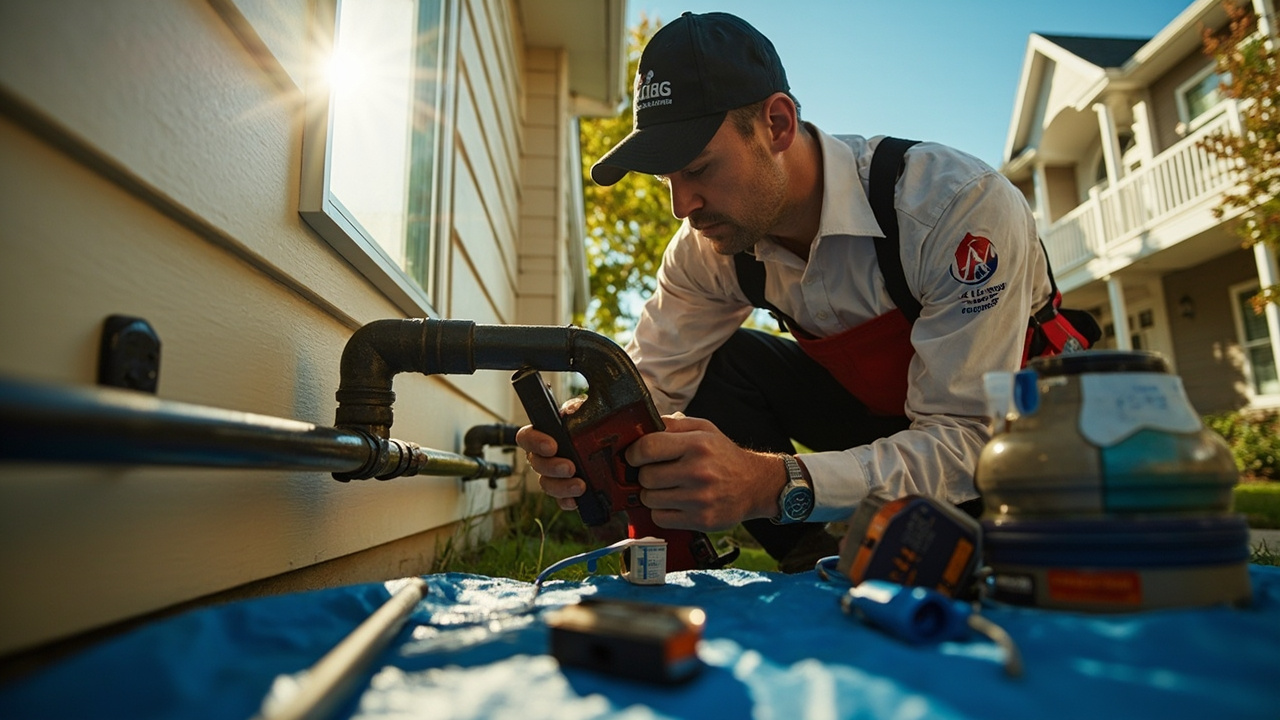
We arrive and immediately locate your gas meter and main shutoff valve. Before touching any pipes, we document appliance types, existing pipe materials, and visible condition. For leak calls, we use electronic combustible gas detectors to identify concentration zones. We isolate the problem section, purge remaining gas, and verify zero pressure before beginning repair work. You get a written assessment of findings before we proceed.
02

Repair or Installation Execution

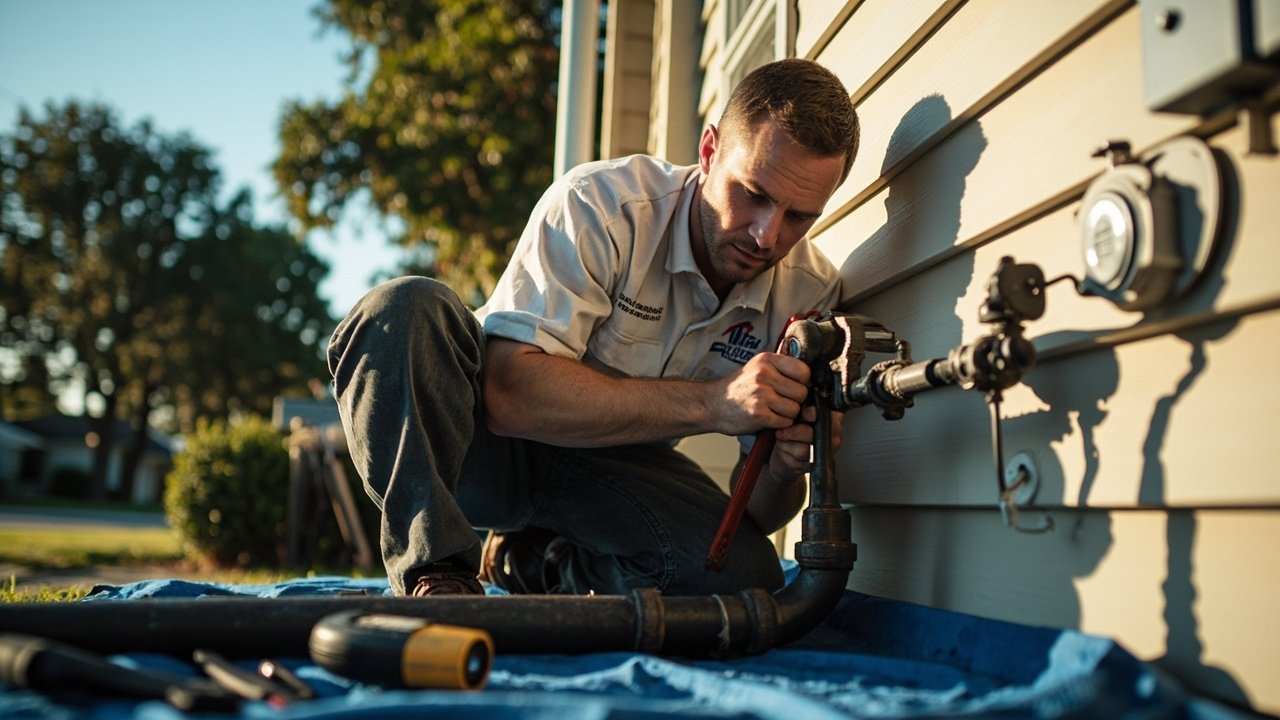
For gas line replacement, we cut out affected sections and install new pipe with proper thread engagement and support. New gas piping installation follows engineered layouts that minimize fittings and maximize flow efficiency. We install sediment traps at each appliance drop, pressure regulators where required, and shutoff valves for isolation. Every joint gets leak-tested with soap solution before we pressurize the system. Commercial jobs include documentation photography for your records.
03

Pressure Testing and Restoration

We pressurize your system to test specifications and monitor for 20 minutes minimum. Once we verify zero leaks, we restore gas service, relight pilot lights, and verify proper appliance operation. You receive a completion certificate with test pressure data, materials used, and warranty information. We explain valve locations and emergency procedures. For commercial installations, we coordinate final inspection with the city and provide signed-off permits before you make final payment.

Why Houston Property Owners Choose Atlas Plumbing Houston for Gas Work

Gas line work is not a learning opportunity. It requires specific training, proper tools, and liability insurance that covers potential incidents. Atlas Plumbing Houston maintains master plumber oversight on every gas job, whether you need a simple gas pipe repair or complete commercial gas piping installation for a multi-story building.

We understand Houston's inspection requirements across different jurisdictions. The City of Houston, Harris County, Fort Bend County, and Montgomery County each have inspection protocols and permit processes. We pull permits, coordinate inspections, and ensure your work passes on the first visit. Unpermitted gas work creates insurance and resale problems you will face years later.

Our service area includes established neighborhoods like Montrose and River Oaks where we navigate tight crawl spaces and historic construction methods. We also work in new developments throughout Katy, Pearland, and The Woodlands where builders need rough-in installations for entire subdivisions. That range of experience means we have solved problems you have not encountered yet.

Equipment matters for gas work. We carry pipe threading machines, electronic leak detectors, calibrated manometers, and specialized wrenches for different fitting types. This eliminates trips to supply houses that extend your timeline. We stock common pipe sizes and fittings on our trucks so most repairs complete in a single visit.

Commercial clients need capacity planning for future expansion. When you open a restaurant or add manufacturing equipment, your existing gas line may not deliver adequate pressure. We calculate load requirements, evaluate your meter capacity, and coordinate upgrades with CenterPoint Energy before you experience service interruptions that cost revenue.

What You Can Expect When You Hire Atlas Plumbing Houston

Response Time and Scheduling

Gas leak calls receive priority dispatch within two hours during business hours. We maintain emergency availability for commercial clients who cannot shut down operations. Planned installations get scheduled within three business days for residential clients and coordinated with your construction timeline for commercial projects. We provide arrival windows and call 30 minutes before we arrive. For multi-day commercial installations, we assign a dedicated crew to your project so you work with the same technicians from start to finish. Weather delays are communicated immediately with revised schedules.

Site Evaluation and Planning

Every gas line project starts with load calculation and route planning. We measure distances from your meter to each appliance, count elbows and tees that create pressure drop, and determine pipe sizing that delivers adequate flow. You receive a written proposal showing materials, labor breakdown, and permit costs before we start work. For commercial projects, we provide CAD drawings showing pipe routing, valve locations, and required clearances. Changes during installation are documented with change orders that require your signature. We never surprise you with costs after work begins.

Installation Quality and Testing

You get professional-grade materials rated for your application. Underground lines receive proper depth and protective wrapping. Above-ground installations include seismic restraints where required by code. Every connection gets tested individually before system pressurization. Final testing uses calibrated equipment that documents pressure hold over time. We provide test certificates with actual readings, not just checkboxes. Gas line plumbers who skip pressure testing create hazards that endanger your property and occupants. Our testing protocol exceeds minimum code requirements because adequate is not acceptable for gas work.

Documentation and Follow-Up

You receive copies of permits, inspection sign-offs, and material certifications for your property records. We photograph completed installations showing proper support, labeling, and clearances. Warranty coverage includes materials and labor for workmanship defects. We do not warranty existing pipes we did not install, but we provide honest assessment of their remaining service life. Annual inspection services are available for commercial clients who need documented compliance for insurance or regulatory requirements. Emergency contact information goes into your file for priority dispatch on future service calls.

Frequently Asked Questions

You Have Questions,
We Have Answers

How much does it cost to have a gas line repaired? +

Gas line repair costs in Houston vary based on the leak location, pipe material, and accessibility. Simple fitting replacements run lower, while underground repairs or full section replacements cost more. Factors include whether the line serves a water heater, furnace, or outdoor kitchen, plus the need for pressure testing and permits. Houston's clay soil can shift foundations and stress pipes, sometimes requiring more extensive work. A licensed plumber will inspect the system, locate the leak with specialized equipment, and provide a detailed estimate. Always get multiple quotes and verify the contractor holds proper gas line endorsements required by the city.

Do plumbers or HVAC run gas lines? +

Both licensed plumbers and HVAC technicians can run gas lines in Houston, but plumbers typically handle the installation more often. Plumbers hold specialized endorsements for gas piping work and understand fuel gas codes. HVAC techs may install lines when connecting furnaces or gas packs, but plumbers usually rough in the main distribution lines. In Houston, verify your contractor holds a Master Plumber license and the required gas line endorsement from the Texas State Board of Plumbing Examiners. The work requires permits and inspections. Choose a contractor experienced with both black iron and CSST flexible gas piping common in the area.

How much does it cost to repair a gas pipe? +

Gas pipe repair costs depend on the damage extent, pipe type, and location. Small leaks at exposed fittings cost less to fix than underground line breaks or corroded sections requiring full replacement. Houston homes use black iron, galvanized steel, or CSST flexible piping. Underground repairs involve excavation and backfill work. The plumber must pressure test the system after repairs and obtain inspection approval. Emergency repairs cost more, especially for leaks near appliances or in occupied spaces. Get a detailed written estimate that includes materials, labor, permits, and testing. Never delay gas line repairs due to safety risks.

How much does it cost for gas installation? +

Gas installation costs in Houston depend on the project scope. Running a new line to a single appliance costs less than installing a whole-house distribution system. Factors include distance from the meter, number of appliances, pipe material choice, and whether walls or slabs need opening. Outdoor installations for grills or fire pits are typically simpler. Houston requires permits and inspections for all gas work. CSST flexible piping can reduce labor costs compared to rigid black iron. Your plumber should calculate proper pipe sizing based on BTU demand and provide a written estimate covering materials, labor, permits, and final testing.

How Houston's Soil Movement Affects Gas Line Integrity

Houston's expansive clay soil experiences volume changes up to 10% between wet and dry seasons. This movement stresses gas pipe connections at the meter riser, foundation penetrations, and appliance drops. Homes in areas like Meyerland or Bellaire built on poorly compacted fill experience more severe shifting. Gas leak repair often reveals cracked fittings where differential settlement pulled joints apart. Underground gas line replacement requires proper bedding material and flexible connections that accommodate movement without failure. CSST installations must include expansion loops at foundation penetrations to prevent tension damage during soil contraction.

Atlas Plumbing Houston works throughout Harris County and surrounding areas where local inspectors know our work meets requirements. We maintain relationships with plan reviewers at municipal permit offices who expedite our submittals because our installations consistently pass inspection. Gas piping installation for commercial kitchens or industrial facilities involves coordination with fire marshals who verify proper ventilation and clearances. Our familiarity with Houston-area jurisdiction requirements prevents delays that cost you time and money. When you hire local gas line plumbers who understand regional codes and soil conditions, you avoid the rework and callbacks that plague out-of-area contractors.
Plumbing Services in The Houston Area

Explore our service area and locate Atlas Plumbing with ease. We’re proudly based in Houston and serve surrounding neighborhoods with fast, local plumbing solutions. Whether you need emergency assistance or routine service, we’re just around the corner. Use the map below to check our coverage area or stop by our office for in-person assistance. Our friendly team is ready to help and answer any questions you may have. Experience prompt, professional plumbing service close to home—reach out or visit today!

Address:
Atlas Plumbing Houston, 2200 Post Oak Blvd, Houston, TX, 77056

Additional Services We Offer

Our news updates

Latest Articles & News from The Blogs

Choosing the Right Professional for Safe Gas Line Repairs Around Pearland Gas leaks in Pearland require fast action and expert…

Who You Should Call for Safe Gas Line Repairs Around Pearland

Choosing the Right Professional for Safe Gas Line Repairs Around Pearland Gas leaks in Pearland require fast action and expert…

Professional Drain Cleaning in Cypress That Clears the Clog for Good

Cypress homeowners often struggle with drains that refuse to stay clear. When you live in neighborhoods like Bridgeland or Fairfield,…

Why Tech Forward Homeowners in Memorial are Swapping to Touchless Kitchen Faucets

Smart Kitchen Upgrades in Memorial Homes for 2026Homeowners in the Memorial area are leading the shift toward smarter more efficient…

Contact Us

Call Atlas Plumbing Houston at (281) 572-0023 for immediate gas leak response or to schedule installation work. We provide written quotes for planned projects and priority dispatch for emergency repairs throughout the Houston metro area.