
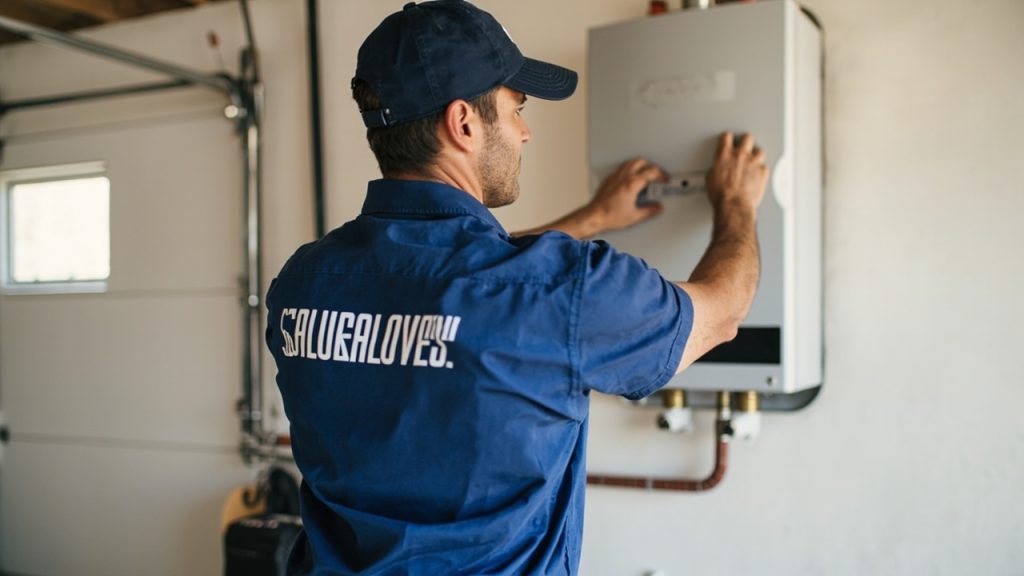
Katy homeowners are moving away from traditional tank systems at a record pace in 2026. This shift happens because modern families in neighborhoods like Cinco Ranch and Firethorne demand consistent performance that old technology simply cannot provide. When you have a household with multiple bathrooms and high capacity appliances, a standard 50 gallon tank often runs dry before the second shower ends. This is a common frustration for families living along the Grand Parkway corridor where large floor plans are the standard. Switching to a tankless system solves the problem of running out of hot water while providing significant space savings in the garage or utility closet.
As a veteran plumber with over 15 years of experience in the Houston area, I have seen the evolution of water heating technology firsthand. In 2026, the efficiency of these units has reached a peak where they are now the primary choice for new constructions and major renovations. If you are currently dealing with no hot water diagnosis issues, it might be time to consider if a repair is worth the cost or if an upgrade is the smarter long-term move for your Katy home.
How Katy Hard Water Affects Your Water Heater
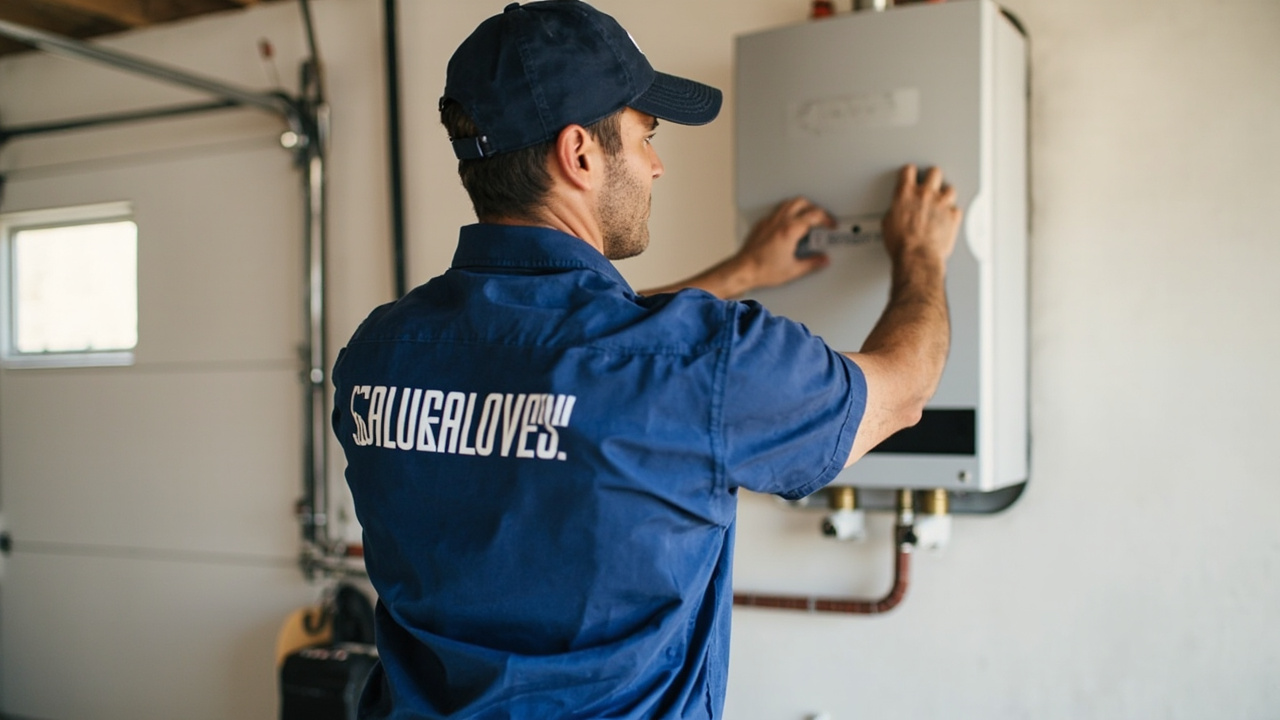
One specific challenge for residents in Fort Bend County and Harris County is the mineral content in the local water supply. Katy is known for having hard water that contains high levels of calcium and magnesium. These minerals create scale buildup inside plumbing fixtures. In a traditional tank, this sediment settles at the bottom and acts as an insulator, making the burner work much harder to heat the water. This leads to higher utility bills and eventually causes the tank to fail prematurely.
Tankless units are also susceptible to scaling, but they are easier to protect. When we perform a plumbing Katy installation, we often recommend integrated descaling systems or water softeners. Modern units in 2026 come with advanced sensors that alert you when a flush is necessary. This proactive approach prevents the sediment buildup in pipes that typically plagues older homes in established areas like Green Trails or Kelliwood.
To combat these local water conditions, we prioritize high-quality heat exchangers. Many of the top models now use stainless steel instead of copper because it resists corrosion from hard water much more effectively. If you already notice discolored or rusty water in your home, it is a clear sign that your current tank is deteriorating from the inside out. A tankless conversion removes that reservoir of rusty water entirely.
Comparing Performance Between Tank and Tankless Systems
The primary reason for the surge in tankless water heater services is the difference in recovery time. A tank takes 40 to 60 minutes to reheat after it is depleted. A tankless unit heats water on demand as it flows through the heat exchanger. This means the supply is theoretically infinite as long as you do not exceed the flow rate of the unit. Below is a comparison of how these systems stack up for a typical 2026 Katy residence.
| Feature | Traditional Tank Heater | Modern Tankless System |
|---|---|---|
| Hot Water Supply | Limited to tank size (40-80 gallons) | Continuous on demand |
| Physical Size | Large footprint (approx. 5 feet tall) | Small wall-mount (suitcase size) |
| Energy Efficiency | Lower (constant standby heat loss) | High (only heats when in use) |
| Life Expectancy | 8 to 12 years | 18 to 25 years |
| Maintenance Needs | Occasional flushing | Annual descaling required |
Sizing the Right Unit for Your Katy Home
Sizing is the most critical part of the installation process. We calculate sizing based on Gallons Per Minute (GPM) rather than total capacity. In the Houston metro area, our incoming groundwater temperature is relatively warm compared to northern states. This allows tankless units to produce more hot water because they do not have to raise the temperature as many degrees. However, larger homes in Seven Meadows or Cane Island often have spa-like master bathrooms that require higher GPM units.
When we evaluate your home, we count every fixture. A standard shower head uses about 2 GPM, while a high-flow rain head might use 3 or 4 GPM. We want to ensure that if the dishwasher is running and someone is taking a shower, there is no drop in temperature. This prevents the cold water sandwich effect where users feel a burst of cold water between cycles of hot water.
Most modern Katy homes with 3 to 4 bathrooms require a unit capable of at least 9 to 11 GPM. For very large estates, we sometimes install two units in parallel to handle the massive demand. This setup provides redundancy. If one unit needs service, the other can still provide hot water to part of the house. You can find more details on current 2026 standards at the Energy Star government website.
The Installation Process and Local Code Requirements
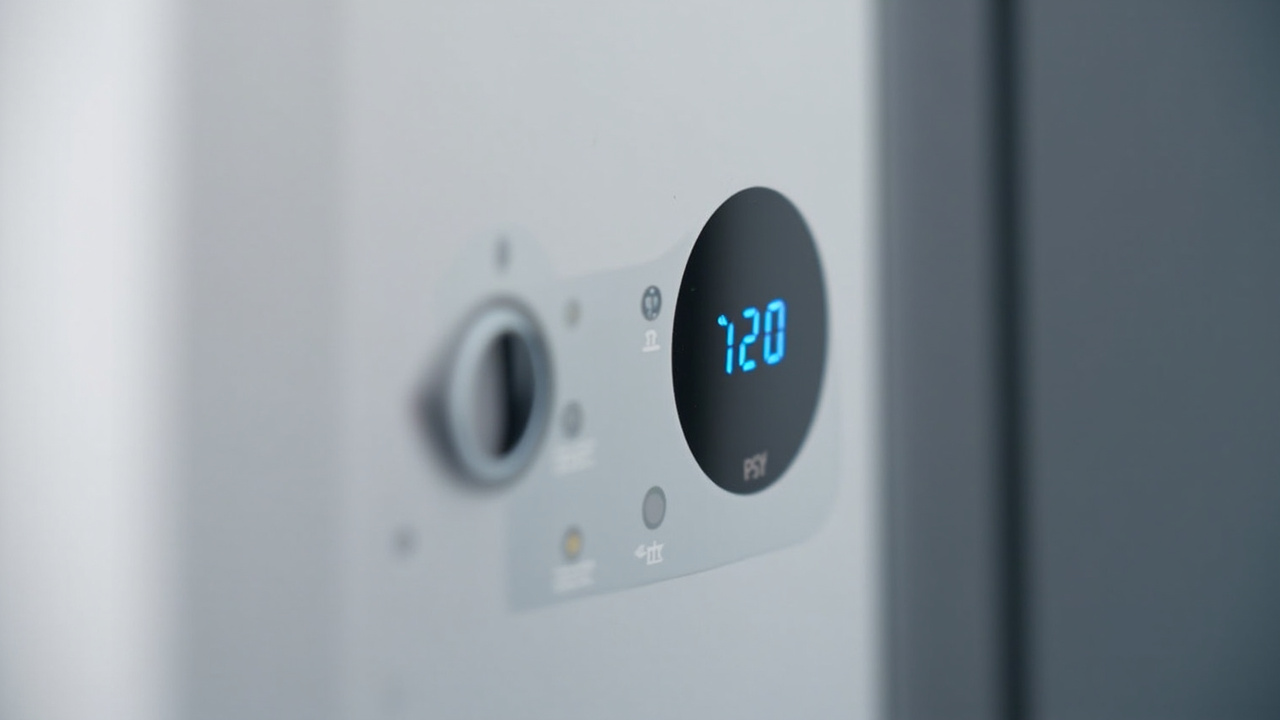
A professional water heater repair and installation project in Katy involves several technical upgrades. Most people assume you just swap the units, but tankless systems have different requirements for fuel and exhaust. Because they flash-heat water, they require a larger burst of natural gas. This often means we must upgrade your gas line from a half-inch pipe to a three-quarter-inch pipe to meet the British Thermal Unit (BTU) demand.
Proper venting is also essential for safety. Tankless units produce exhaust that must be vented through the roof or a side wall using specific materials like PVC or stainless steel, depending on the model. We handle all city permits and ensure everything complies with current 2026 building codes for Fort Bend and Harris County. This protects your home value and ensures the system operates safely for decades. If your project requires more extensive work, we also offer gas line repair and installation services to keep your home up to standard.
The installation steps usually follow this order:
- Assessment of current gas and water line capacity.
- Removal and eco-friendly disposal of the old tank.
- Mounting the new tankless unit on a secure wall surface.
- Upgrading gas lines and installing a dedicated shut-off valve.
- Running new intake and exhaust venting lines to the exterior.
- Installing a condensate drain line to manage moisture.
- Calibration of temperature settings and system testing.
Why Houston Weather Matters for Water Heaters
While Katy does not experience the deep freezes of the north, we do have occasional extreme weather events. Tankless units installed on exterior walls must have built-in freeze protection. In 2026, most high-end units from brands like Navien and Rinnai include internal heaters that prevent the heat exchanger from cracking during a cold snap. We also highly recommend that homeowners review our guide on how to prevent frozen pipes to protect the rest of the plumbing system.
In the event of a severe freeze, our team provides frozen pipe thawing and repair to get your water moving again. Having a tankless unit inside the garage or in a dedicated indoor closet is generally the safest option for the Houston climate. This placement keeps the sensitive electronics away from the high humidity and salt air that can sometimes affect outdoor units in the wider Gulf Coast region.
Financial Incentives and Long Term Savings
The initial cost of a tankless system is higher than a tank, but the return on investment is clear. Since a tankless unit only burns gas when the water is flowing, you stop paying to heat water while you are at work or sleeping. In 2026, many local utility companies and federal programs offer rebates for installing high-efficiency appliances. These incentives can significantly offset the upfront price. We provide plumbing financing options to help Katy families manage the transition to better technology.
| Operational Factor | Annual Estimated Impact |
|---|---|
| Fuel Savings | 15% to 30% reduction in water heating costs |
| Maintenance Cost | Fixed annual cost for descaling flush |
| Replacement Frequency | Half as frequent as tank systems |
| Home Value Increase | Modern tankless units are a top requested feature for buyers |
Beyond the monthly savings, the durability of these systems is a major factor. A tankless unit can last 20 years or more with proper care. Compared to replacing a leaking tank every decade, the tankless option is the more sustainable and cost-effective choice over the life of the home. If you are planning to stay in your Katy home for more than five years, the system will likely pay for itself in energy savings and avoided replacement costs.
Maintaining Your Tankless Investment
Maintenance is the key to longevity. You should never ignore the service light on your unit. Most manufacturers require a professional flush once a year to remove the calcium buildup from the heat exchanger. This is a quick process where we circulate a food-grade descaling solution through the unit. It keeps the GPM at its peak and ensures the unit remains quiet. If you notice your unit becoming louder or taking longer to heat, check our water heater maintenance tips for immediate troubleshooting.
Neglecting this maintenance can lead to a shortened lifespan and may void your manufacturer warranty. Many Katy residents combine their annual water heater flush with a general plumbing inspection checklist to ensure there are no hidden leaks or issues elsewhere in the home. This preventive approach is the best way to avoid 24/7 emergency plumbing services during holidays or busy weekends.

Ready to Make the Switch in Katy
Upgrading to a tankless water heater is one of the most impactful improvements you can make for your home comfort. It eliminates the frustration of cold showers and provides a more efficient way to manage your utility budget. If you are a resident in the Katy area or surrounding communities like Plumbing Cypress or Plumbing Sugar Land, our team is ready to help you size and install the perfect system for your needs.
We pride ourselves on providing clear communication and expert technical skills for every installation. Our goal is to ensure your new system provides reliable hot water for your family for the next two decades. For more information on local standards and licensing for plumbers in Texas, you can visit the Texas State Board of Plumbing Examiners. When you are ready to see the difference a tankless system can make, contact us to schedule an evaluation of your current plumbing setup and get a detailed plan for your upgrade.