menu

Wet Spots in Yard in Houston – Expert Underground Leak Detection and Permanent Repair

Atlas Plumbing Houston uses advanced leak detection technology to locate hidden slab leaks and broken water lines causing wet spots in your yard, stopping water waste and foundation damage before it spreads.

Slider Image 1
Slider Image 2
Slider Image 3
Slider Image 4
Slider Image 5
Slider Image 7
Slider Image 8
Slider Image 9
Slider Image 10
Slider Image 11

Why Your Houston Yard Has Unexplained Wet Spots

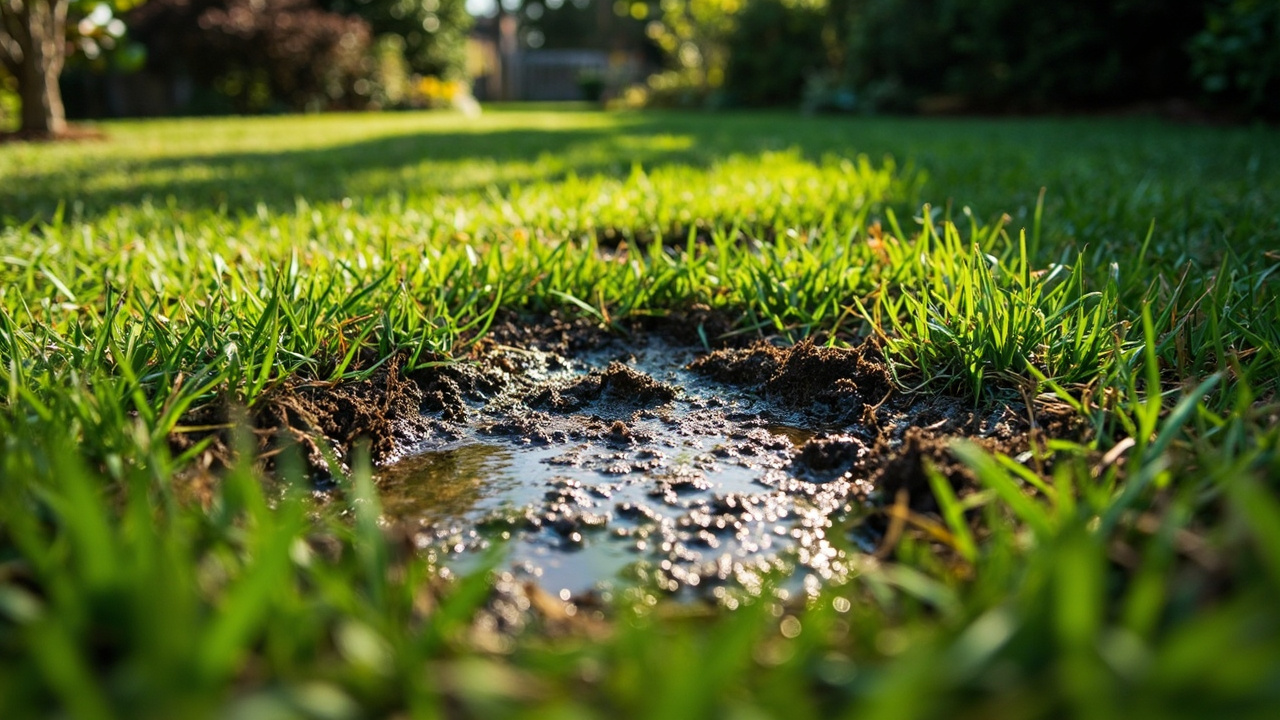
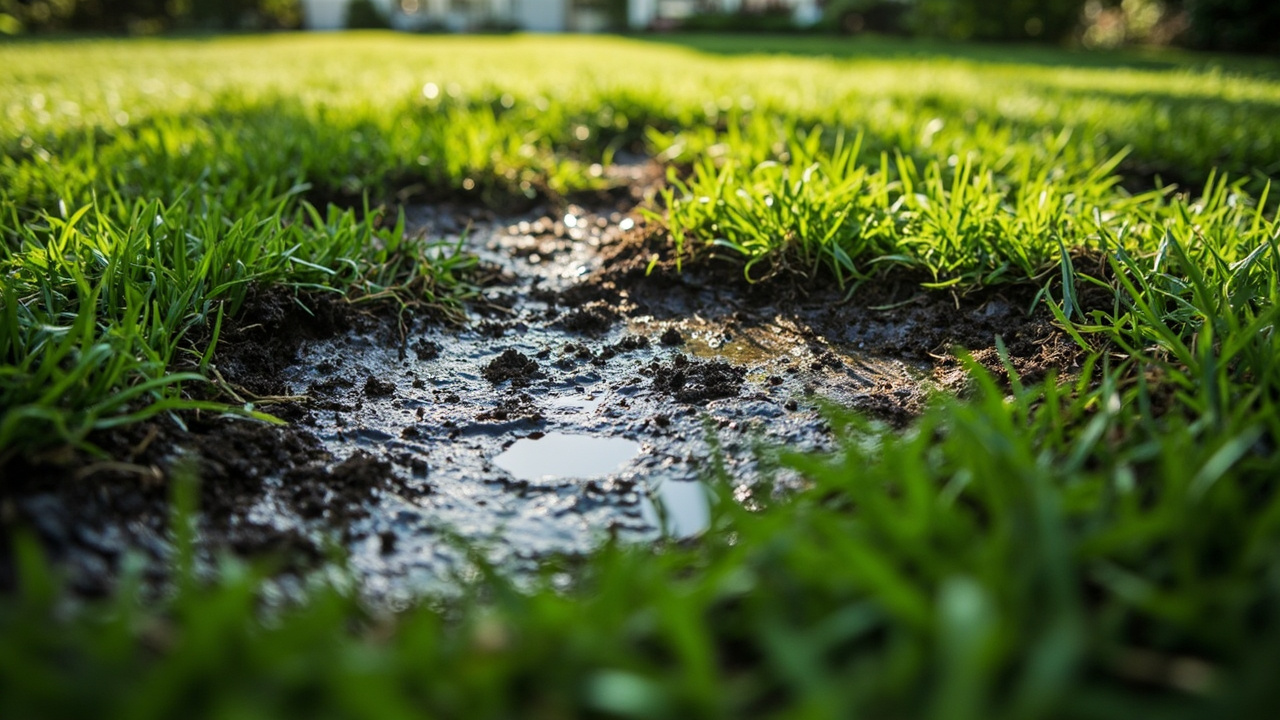
Soggy patches in your lawn do not appear on their own. You notice pooling water in your yard after a day of no rain. You see saturated areas in grass that never dry out. You walk across damp spots in your lawn and your shoes sink into mud. This is not normal drainage. This is a broken water line.

Houston sits on expansive clay soil that shifts constantly. When temperatures fluctuate, the ground expands and contracts. This movement stresses underground pipes. A pressurized water line cracks. Water escapes into the surrounding soil. The saturated zone migrates to the surface. You see unexplained standing water where it should not exist.

The problem accelerates during Houston's extreme heat cycles. Clay soil contracts in drought conditions, then swells after heavy rain. Pipes installed decades ago were not designed for this constant ground movement. Galvanized steel corrodes from the inside. Copper develops pinhole leaks. PVC joints separate at the fittings. The water meter spins when no fixtures are running.

You might assume it is a sprinkler issue or poor drainage. Those are surface problems. A wet spot that never dries signals an active underground leak. The longer water flows, the more soil erodes beneath your foundation. Voids form under concrete slabs. Foundations settle unevenly. Small cracks become structural issues. Your water bill climbs every month. You are paying for water that disappears into the ground.

Ignoring soggy patches in your lawn costs you thousands in wasted water and potential foundation repair. The leak will not fix itself. It will expand.

Why Your Houston Yard Has Unexplained Wet Spots
How We Find and Fix Underground Water Leaks in Houston

How We Find and Fix Underground Water Leaks in Houston

We do not guess where your leak is located. We use electronic acoustic leak detection equipment that listens for the sound signature of pressurized water escaping from a pipe. We isolate the leak to within inches, not feet. This precision prevents unnecessary excavation across your entire yard.

We start by mapping your entire underground plumbing system. We trace the main water line from the meter to the foundation. We identify branch lines that feed outdoor hose bibs or irrigation systems. We pressurize isolated sections and monitor for pressure drops. If pressure falls, water is escaping somewhere in that zone.

Next, we deploy ground microphones and acoustic sensors. Pressurized water creates a distinct frequency when it exits a pipe under the soil. We move methodically across the suspected zone, listening for that signature. We mark the exact location. We verify with a secondary method using tracer gas or infrared thermography if the conditions require it.

Once we pinpoint the leak, we excavate only the necessary area. We expose the damaged section of pipe. We cut out the failed segment. We install a new section using compression couplings or soldered joints, depending on the pipe material. We pressure test the repair before backfilling. We verify zero pressure loss over a sustained test period.

For leaks beneath concrete slabs or driveways, we often reroute the line through the attic or along exterior walls. This avoids jackhammering through your foundation. It creates a new path for the water line that bypasses the damaged section permanently. We insulate exposed pipes to prevent future freeze damage during rare Houston cold snaps.

We do not patch leaks with temporary fixes. We replace the failed section with materials rated for decades of service.

What Happens When You Call About Yard Leak Detection

Wet Spots in Yard in Houston – Expert Underground Leak Detection and Permanent Repair
01

Initial Leak Assessment

We arrive at your property and visually inspect the wet areas in your yard. We check your water meter for movement with all fixtures turned off. If the meter dial is spinning, water is flowing somewhere. We ask about recent water bill increases and how long the soggy patches have been visible. We assess the size and location of the saturated zone to determine the most likely pipe route beneath the surface.
02

Electronic Leak Isolation

We use acoustic listening devices and pressure testing equipment to isolate the exact location of the underground leak. We may inject tracer gas into the line and scan the surface with a detector. We mark the leak location with spray paint or flags. We explain what we found, which pipe is damaged, and what repair method we recommend. You see the exact problem before we dig a single hole.
03

Precision Repair and Testing

We excavate only the area needed to access the broken pipe. We cut out the damaged section and install new pipe using permanent fittings. We pressurize the system and monitor for leaks before covering the repair. We backfill the excavation and restore the disturbed area. We recheck your water meter to confirm zero flow with fixtures off. Your yard stops flooding. Your water bill drops next month.

Why Houston Homeowners Trust Atlas Plumbing Houston for Underground Leak Repair

We have worked on hundreds of properties across Greater Houston, from Cypress to Clear Lake, from The Heights to Pearland. We understand how this region's clay soil behaves. We know which pipe materials fail first in Houston's ground conditions. We have seen what happens when a small leak goes undetected for months. We prevent those outcomes by acting fast and fixing it right the first time.

Atlas Plumbing Houston does not send undertrained technicians to diagnose complex underground leaks. Our plumbers carry advanced leak detection equipment in every service vehicle. We invest in continuous training on the latest acoustic and infrared detection methods. We do not rely on outdated techniques like flooding test pits or guessing based on wet spots. We use science and technology to locate leaks with precision.

We also understand Houston's building practices. Many homes in this area were built during rapid expansion periods with varying plumbing standards. We have repaired leaks in homes from the 1960s with galvanized pipe and new construction with PEX systems. We know the weak points in each type of installation. We know which fittings fail under ground movement. We know where to look first.

When we repair an underground leak, we do not leave your yard torn apart. We restore the excavation area properly. We compact the backfill in layers. We replace sod or grass seed if needed. We respect your property. We do not treat your home like a construction zone.

You call us because the wet spot in your yard is not going away. We arrive with the tools and knowledge to fix it permanently. We do not sell you services you do not need. We do not upsell whole-house repipes when a single section needs replacement. We give you the truth about what is broken and what it takes to fix it.

What You Can Expect When We Repair Your Yard Leak

Fast Response and Availability

We answer your call the same day. We understand that water leaks waste money every hour they continue. We schedule leak detection appointments quickly, often within 24 hours. If your leak is causing active flooding or foundation concerns, we prioritize your job. We do not make you wait a week while your water bill climbs and your foundation settles. We arrive on time with the equipment needed to locate and repair the problem. You get a resolution, not a runaround.

Thorough Leak Detection and Diagnosis

We perform a complete assessment of your plumbing system before we start digging. We check the water meter for flow, we isolate zones, and we use acoustic equipment to pinpoint the exact location of the leak. We explain what we find in plain language. We show you the data from our pressure tests. We outline your repair options and the costs involved. You understand what is broken and why before we start the work. There are no surprises once we excavate.

Permanent Repair with Quality Materials

We do not use temporary patches or quick fixes that fail in six months. We cut out the damaged pipe section and replace it with new materials rated for underground service. We use compression fittings, soldered copper joints, or fusion-welded connections depending on your existing system. We pressure test every repair to confirm zero leakage before we backfill. We restore your yard to its original condition. The wet spot dries out. The leak does not come back.

Follow-Up and Ongoing Support

After we complete the repair, we monitor the area to confirm the leak is fully resolved. We check back with you to ensure the wet spot has dried and your water meter shows no movement. If you notice any issues after the repair, we return to inspect the work at no additional charge. We stand behind the quality of our repairs. We also provide guidance on how to monitor your system for future issues and what warning signs to watch for across your property.

Frequently Asked Questions

You Have Questions,
We Have Answers

How do I fix a wet spot in my yard? +

Start by identifying the source. Check for leaking irrigation lines, broken sprinkler heads, or underground pipe damage. Turn off your water main and watch if the wet spot shrinks. If it does, you have a leak. In Houston's clay soil, water pools easily, so you may also need to improve drainage with French drains or regrading. For persistent wet spots, call a plumber to pressure test your lines. Shallow fixes like adding topsoil only mask the problem. Address the root cause first, whether it's plumbing failure or poor yard grading.

What causes wet spots in the yard? +

Wet spots form from broken water lines, failing sewer laterals, leaking irrigation systems, or poor drainage. Houston's expansive clay soil shifts with moisture changes, which can crack underground pipes and create pooling. Heavy rains overwhelm yards without proper grading or runoff paths. Gutters that dump water near your foundation also create soggy zones. Sometimes the issue is a high water table or natural springs. If the wet spot appears suddenly or grows, suspect a plumbing leak. Check your water meter for unexplained usage to confirm.

How to fix water runoff in yard? +

Redirect runoff by regrading your yard to slope away from structures. Install French drains or channel drains to capture and move water off your property. In Houston, where clay soil drains slowly, adding catch basins connected to underground PVC pipes helps. Extend downspouts at least six feet from your foundation. Create swales or dry creek beds to guide water naturally. If runoff comes from a neighbor's property, consider a berm or retaining wall. For severe issues, a professional grading job prevents foundation damage and yard flooding.

How to fix muddy spots in yard? +

Muddy spots result from poor drainage, compacted soil, or plumbing leaks. First, rule out underground pipe damage by checking your water meter. In Houston's heavy clay, install French drains or dry wells to move water away. Aerate compacted soil and mix in sand or compost to improve permeability. Regrade low spots so water flows toward drainage points. For high-traffic areas, consider installing pavers or gravel paths. If the mud persists after rain stops, you likely have a subsurface leak that needs professional diagnosis.

How do I fix a swampy area in my yard? +

Swampy areas need proper drainage and soil amendment. Install a French drain system with perforated pipe surrounded by gravel to collect and divert water. In Houston, where clay soil holds moisture, you may need a sump pump or dry well. Regrade the area to create positive drainage away from structures. Aerate and mix sand into clay soil to improve absorption. If a plumbing leak causes the swamp, repair the pipe first. For yards near bayous or floodplains, raised beds or engineered drainage may be necessary.

Who is responsible for water leaks outside the house? +

Homeowners are responsible for leaks on their property, including the main water line from the meter to the house. The city of Houston owns the meter and the line to it. If your irrigation system, slab leak, or yard line breaks, you pay for repairs. Shared lines between properties create gray areas, so check your deed and local codes. Water pooling near your meter might be the city's problem. Document the leak location and call your water provider if you are unsure. Ignoring leaks wastes water and damages your foundation.

How to dry up a wet yard fast without drainage? +

Spread a layer of sand or topsoil over wet areas to absorb surface moisture temporarily. Aerate the soil with a garden fork to improve drainage. In Houston's humid climate, drying happens slowly without airflow, so avoid overwatering nearby zones. Redirect water with temporary berms made from sandbags or soil. If a hidden leak causes the wet yard, drying efforts fail until you fix the source. For immediate relief before a drainage system install, rent a sump pump to remove standing water, but this is a short-term fix only.

Should you still water your lawn in October? +

Yes, but reduce frequency. Houston lawns in October need less water as temperatures drop and rainfall increases. St. Augustine and Bermuda grass enter slower growth phases. Water deeply once per week if rain does not provide an inch of moisture. Check soil moisture three inches down before watering. Overwatering in fall promotes disease and wastes money. Adjust irrigation timers to account for cooler weather and shorter days. If your yard stays wet without watering, you may have a leak or drainage issue that needs attention before winter.

Does dew on the grass mean no rain? +

No. Dew forms when surfaces cool overnight and moisture condenses from humid air. It does not predict rain. Houston's high humidity causes heavy dew year-round, even during droughts. Dew can reduce the need for morning watering, but it does not replace rainfall for deep root hydration. If your grass stays wet all day, you likely have a drainage problem or underground leak, not just dew. Check weather forecasts and soil moisture levels to decide when to water, not dew patterns.

What to put on the ground to absorb water? +

Use sand, gravel, or expanded shale to improve absorption in Houston's clay soil. Compost and organic matter also help, but they break down over time. For temporary fixes, spread sand over wet spots to soak up surface water. French drains filled with gravel provide long-term solutions by channeling water away. Avoid using dirt alone, as it compacts and worsens drainage. For severe pooling, install a dry well filled with gravel to collect runoff. Address the root cause, whether poor grading or a leak, before adding absorptive materials.

How Houston's Expansive Clay Soil Causes Underground Water Line Failures

Houston's soil composition creates unique stress on underground plumbing systems. The area sits on deep layers of expansive clay that swell when saturated and shrink during dry periods. This constant expansion and contraction shifts the ground beneath your pipes. When the soil moves, rigid pipes crack at joints or develop stress fractures along straight runs. A wet spot in your yard is often the first visible sign that ground movement has compromised a pressurized water line. The problem is worse in older neighborhoods where pipes have been in the ground for 30 or 40 years.

Atlas Plumbing Houston has worked on underground leak repairs across every major Houston neighborhood. We understand the local soil conditions and how they impact different pipe materials. We know which areas of the city have older galvanized systems prone to corrosion and which subdivisions used early PVC that becomes brittle over time. We carry the parts and materials needed to repair any type of water line common to this region. When you hire us, you get plumbers who understand Houston's specific plumbing challenges, not generic technicians reading from a manual.


Plumbing Services in The Houston Area

Explore our service area and locate Atlas Plumbing with ease. We’re proudly based in Houston and serve surrounding neighborhoods with fast, local plumbing solutions. Whether you need emergency assistance or routine service, we’re just around the corner. Use the map below to check our coverage area or stop by our office for in-person assistance. Our friendly team is ready to help and answer any questions you may have. Experience prompt, professional plumbing service close to home—reach out or visit today!

Address:
Atlas Plumbing Houston, 2200 Post Oak Blvd, Houston, TX, 77056

Additional Services We Offer

Our news updates

Latest Articles & News from The Blogs

Choosing the Right Professional for Safe Gas Line Repairs Around Pearland Gas leaks in Pearland require fast action and expert…

Who You Should Call for Safe Gas Line Repairs Around Pearland

Choosing the Right Professional for Safe Gas Line Repairs Around Pearland Gas leaks in Pearland require fast action and expert…

Professional Drain Cleaning in Cypress That Clears the Clog for Good

Cypress homeowners often struggle with drains that refuse to stay clear. When you live in neighborhoods like Bridgeland or Fairfield,…

Why Tech Forward Homeowners in Memorial are Swapping to Touchless Kitchen Faucets

Smart Kitchen Upgrades in Memorial Homes for 2026Homeowners in the Memorial area are leading the shift toward smarter more efficient…

Contact Us

Call Atlas Plumbing Houston at (281) 572-0065 right now. We will locate your underground leak with precision equipment and repair it permanently. Your wet spot will dry out. Your water bill will drop. Do not wait until foundation damage starts.