menu

Emergency Sewer Backup Cleanup in Houston – 24/7 Response Within 60 Minutes

When raw sewage floods your home or business, every minute counts. Our emergency sewer backup cleanup crews dispatch immediately across Houston, stopping contamination and protecting your property before permanent damage sets in.

Slider Image 1
Slider Image 2
Slider Image 3
Slider Image 4
Slider Image 5
Slider Image 7
Slider Image 8
Slider Image 9
Slider Image 10
Slider Image 11

Raw Sewage Flooding Your Houston Property Right Now?

A sewer backup is not just disgusting. It is dangerous. Raw sewage carries E. coli, hepatitis A, and other pathogens that make your home or business uninhabitable within hours. If you are standing in contaminated water right now, you need urgent sewage removal services, not a callback tomorrow.

Houston's aging cast iron sewer laterals, combined with the city's expansive clay soil, create the perfect storm for sudden line collapses. During heavy rain events, which Houston sees frequently, combined sewer systems can overwhelm and force raw sewage back through floor drains, toilets, and basement fixtures. The humid climate accelerates mold growth, which can colonize drywall and subflooring within 24 to 48 hours of exposure.

You are facing three simultaneous threats. Immediate health risk from pathogen exposure. Structural damage as contaminated water saturates porous materials like drywall, insulation, and wood framing. And secondary mold contamination if the moisture is not extracted and dried completely within two days.

Emergency raw sewage extraction is time-sensitive. The longer contaminated water sits, the deeper it penetrates. Carpet padding becomes a biohazard sponge. Subflooring delaminates. Baseboards wick contamination up into wall cavities. What starts as a cleanup becomes a demolition project if you wait.

Our 24 hour sewer overflow cleaning teams understand Houston's specific challenges. We know which neighborhoods have combined systems. We know where tree root intrusion is most aggressive. We know how clay soil movement stresses your sewer lateral. We respond immediately because we know what happens if you wait.

Raw Sewage Flooding Your Houston Property Right Now?
Our Rapid Sewer Backup Restoration Process

Our Rapid Sewer Backup Restoration Process

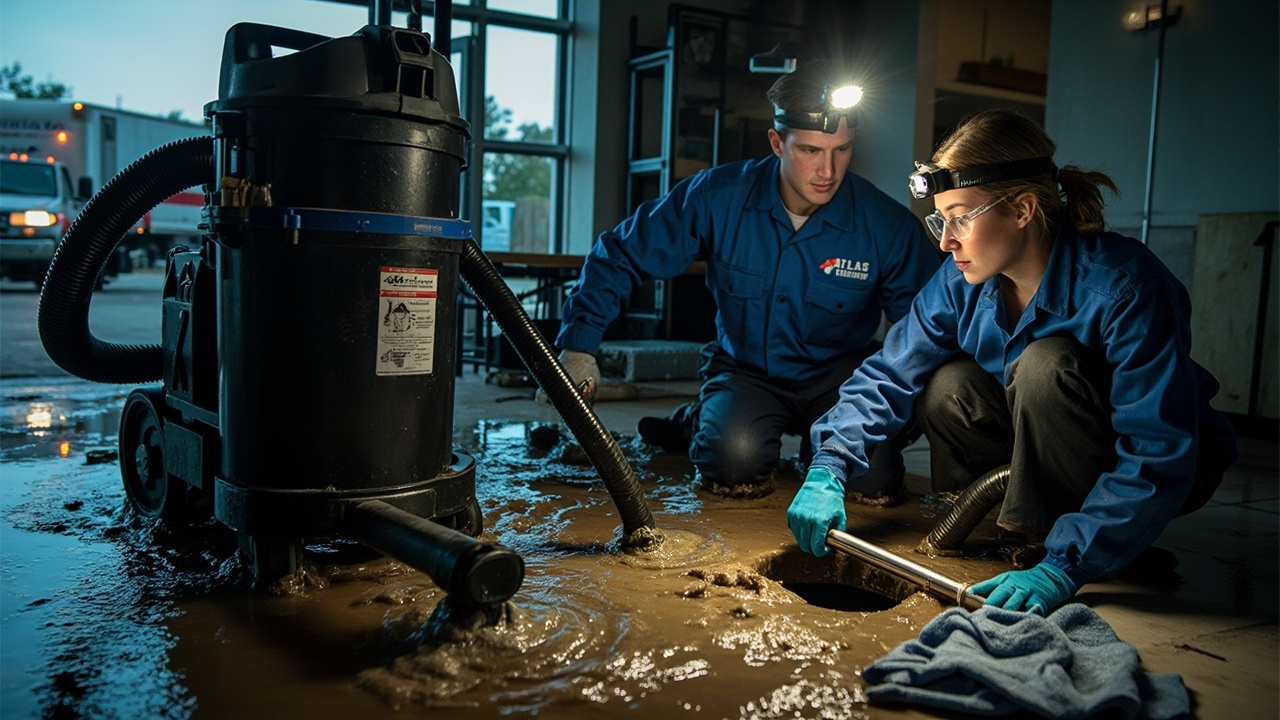
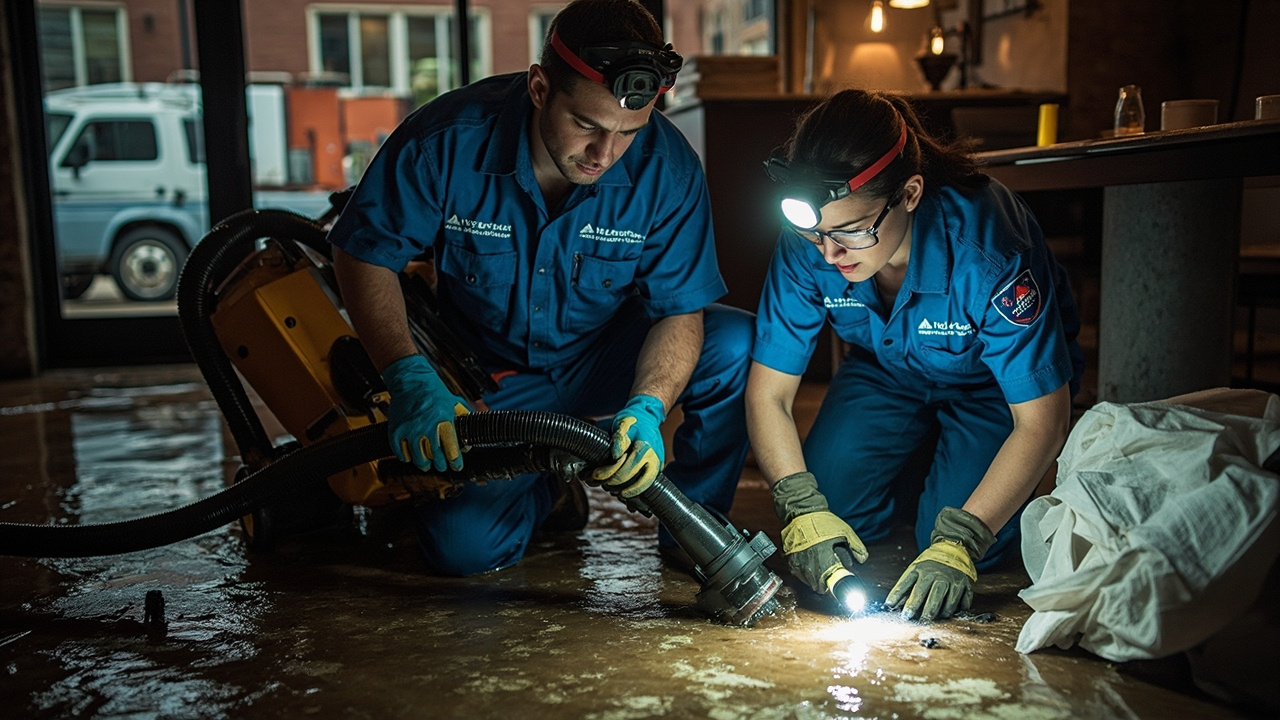
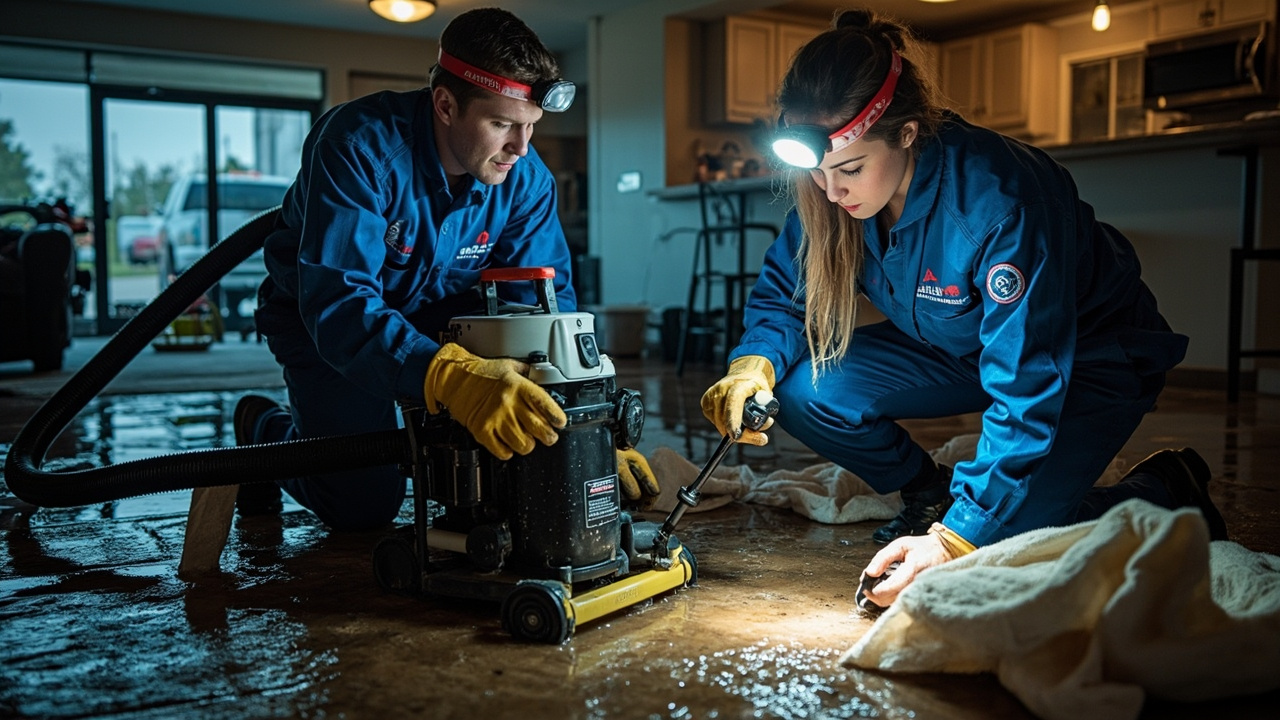
We do not just mop up sewage. We execute a complete decontamination protocol designed to eliminate pathogens, extract contaminated water from building materials, and prevent secondary damage.

Our trucks carry industrial sewage extraction pumps, antimicrobial foggers, and moisture detection equipment. We arrive ready to work, not to bid.

First, we stop the source. If the backup is still active, we identify whether the blockage is in your lateral line or the city main. We clear the obstruction using hydro-jetting or cable augering, depending on the cause. Tree roots, grease buildup, and collapsed pipe sections require different approaches. We use sewer cameras to verify the line is clear and flowing before we start extraction.

Next, we extract all standing water using truck-mounted pumps and portable extractors. We do not push contaminated water around with mops. We remove it completely. Then we remove all porous materials that contacted sewage. Category 3 water, which is what raw sewage is classified as, cannot be cleaned from carpet, padding, drywall, or insulation. Those materials must be removed and disposed of properly.

We then treat all hard surfaces with EPA-registered antimicrobial agents. Concrete, tile, and sealed wood can be disinfected. We fog the entire affected area to reach surfaces you cannot see, like wall cavities and subfloor spaces.

Finally, we deploy commercial dehumidifiers and air movers to dry the structure completely. We monitor moisture levels in framing and subfloors daily until readings confirm the space is dry. This prevents mold colonization.

Our immediate sewage spill mitigation approach is aggressive because half-measures lead to callbacks and health complaints. We treat every job like the contaminated space is our own home.

What Happens When You Call Atlas Plumbing Houston

Emergency Sewer Backup Cleanup in Houston – 24/7 Response Within 60 Minutes
01

Immediate Dispatch and Containment

Our dispatch center answers 24 hours a day. You speak to a real person who logs your address and the extent of flooding. We send the nearest available crew, typically arriving within 60 minutes across greater Houston. While en route, we walk you through immediate containment steps. Turn off water to prevent additional flow. Keep people and pets away from contaminated areas. Open windows if safe to do so. Our truck arrives equipped with pumps, protective gear, and antimicrobial chemicals to begin extraction immediately.
02

Source Clearance and Extraction

We clear the blocked sewer line using hydro-jetting or mechanical augering, then verify flow with a sewer camera inspection. This ensures the backup will not recur while we are cleaning. Once the line is confirmed clear, we extract all standing sewage using truck-mounted pumps and portable extractors. We remove contaminated porous materials like carpet, padding, and drywall that cannot be salvaged. Hard surfaces are treated with hospital-grade disinfectants. We fog affected areas to treat spaces you cannot reach, including wall cavities and crawl spaces.
03

Structural Drying and Verification

After extraction and disinfection, we deploy commercial dehumidifiers and air movers to dry all structural materials completely. We monitor moisture levels in wood framing, subfloors, and concrete daily using calibrated meters. Drying typically takes three to five days depending on the extent of saturation. We document moisture readings and only remove equipment once levels confirm complete drying. This prevents mold growth and ensures your property is safe for rebuilding. You receive a detailed report documenting the entire restoration process for insurance claims.

Why Houston Properties Need Local Sewage Cleanup Experts

Sewage backups in Houston are not the same as other cities. The specific combination of soil conditions, infrastructure age, and climate creates unique challenges that require local knowledge.

Houston sits on expansive clay soil that swells when wet and shrinks when dry. This constant movement stresses sewer laterals, causing joint separation and pipe misalignment. Many older neighborhoods in areas like Montrose, the Heights, and Bellaire still have original cast iron sewer lines installed in the 1940s and 1950s. These lines corrode from the inside due to hydrogen sulfide gas produced by bacterial action. The result is sudden collapses and backups with no warning.

Tree root intrusion is aggressive here. Oak, magnolia, and crepe myrtle roots seek water sources and infiltrate sewer lines through even hairline cracks. Once inside, roots expand and create complete blockages.

Houston's heavy rain events compound the problem. When the ground saturates, combined sewer systems can overwhelm, forcing sewage back through floor drains and toilets. Low-lying areas near Buffalo Bayou, Brays Bayou, and White Oak Bayou are especially vulnerable during flood events.

Atlas Plumbing Houston responds to sewer backups across the metro area every day. We know which neighborhoods have combined systems. We know where clay soil movement is most severe. We know how to navigate insurance claims for flood-related backups versus pipe failures.

Our crews carry the equipment needed for Houston-specific challenges. Industrial-grade pumps for high-volume extraction. Sewer cameras to diagnose root intrusion versus collapse. Antimicrobial foggers designed for high-humidity environments where mold colonizes fast.

When contaminated water is flooding your property, you need a crew that understands the specific risks and has the equipment staged and ready. We are that crew.

What to Expect During Emergency Sewage Cleanup

Response Time and Availability

Our emergency line is answered 24 hours a day, seven days a week. We dispatch crews immediately, with typical arrival times of 60 minutes or less across the Houston metro area. We do not schedule callbacks for sewage emergencies. Our trucks are staged throughout the city and stocked with extraction equipment, antimicrobial chemicals, and protective gear. We arrive ready to begin work immediately, not to provide estimates. During major weather events, we prioritize active flooding calls and dispatch additional crews to handle increased call volume. You will speak to a real person when you call, and we will provide an accurate arrival window based on your location and current crew positions.

Initial Assessment and Source Identification

Upon arrival, our crew performs a rapid assessment to identify the backup source and extent of contamination. We determine whether the blockage is in your lateral line or the city main. We use sewer cameras to locate obstructions, identify root intrusion, or diagnose pipe collapse. This assessment happens while we are setting up extraction equipment, not as a separate billable visit. We explain what we find in clear terms and outline the steps needed to stop the backup and remediate the damage. If the blockage is in the city main, we coordinate with Houston Public Works while proceeding with extraction and cleanup. Our goal is to provide complete transparency about what caused the backup and what is required to prevent recurrence.

Complete Decontamination and Material Removal

We extract all standing sewage using truck-mounted pumps and portable extractors. Contaminated porous materials, including carpet, padding, drywall, and insulation, are removed and disposed of properly. You cannot clean Category 3 water contamination from these materials. Hard surfaces like tile, concrete, and sealed wood are treated with EPA-registered antimicrobial agents. We fog the entire affected area, including wall cavities and subfloor spaces, to eliminate pathogens you cannot see. Our decontamination protocol meets IICRC S500 standards for water damage restoration. You receive a detailed scope of work documenting all materials removed and all surfaces treated. This documentation is critical for insurance claims and future property disclosures.

Structural Drying and Moisture Monitoring

After extraction and disinfection, we deploy commercial dehumidifiers and air movers to dry all structural components completely. We monitor moisture levels daily using calibrated meters, focusing on wood framing, subfloors, and concrete slabs. Drying typically requires three to five days depending on saturation levels and humidity conditions. We document moisture readings throughout the process and only remove equipment once levels confirm complete drying. This prevents mold colonization and secondary damage. You receive a final moisture report showing before and after readings. If additional work is required, such as subfloor replacement due to delamination, we coordinate that scope with you and your insurance adjuster before proceeding. Our goal is complete restoration to pre-loss condition.

Frequently Asked Questions

You Have Questions,
We Have Answers

How to clean up after a sewer back up? +

Stop the water source immediately and avoid contact with the contaminated area. Sewage carries dangerous bacteria and viruses. Do not attempt cleanup yourself. Professional plumbers use specialized equipment to extract wastewater, disinfect surfaces with EPA-approved antimicrobials, and remove contaminated materials. Houston's humidity accelerates mold growth after sewage exposure, so time matters. A licensed plumber will inspect your main line, clear the blockage, and coordinate with restoration specialists if structural damage occurred. Document everything with photos for insurance claims before cleanup begins. Call 24/7 emergency plumbing services to prevent health risks and further property damage.

How much does sewage backup cleanup cost? +

Cleanup costs depend on contamination severity, affected square footage, and structural damage. Minor backups confined to one bathroom may cost less, while basement flooding or crawl space contamination increases expenses significantly. Houston's clay soil shifts cause sewer line breaks that require excavation and repair beyond basic cleanup. Your estimate includes water extraction, antimicrobial treatment, disposal of contaminated materials, and main line clearing. Insurance may cover some costs if you have sewer backup coverage. Get a detailed written estimate that separates cleanup from plumbing repairs. Emergency response prevents mold growth and reduces total restoration costs in Houston's humid climate.

What is the average cost of sewer drain cleaning? +

Professional drain cleaning costs vary based on blockage location, severity, and access points. Main sewer line cleaning requires specialized equipment like hydro-jetting or motorized augers. Simple clogs near fixtures cost less than blockages 50 feet down your main line. Houston's mature oak trees and shifting clay soil cause root intrusion that demands more aggressive clearing methods. Video camera inspections identify exact blockage locations and pipe condition, which affects pricing. Emergency after-hours service costs more than scheduled maintenance. Ask for flat-rate pricing rather than hourly estimates. Preventive annual cleaning costs far less than emergency sewage backup cleanup and property restoration.

Is it safe to clear a sewer line clog myself? +

No. Main sewer line clogs require professional equipment and expertise. Chemical drain cleaners damage pipes and create toxic fumes when mixed with sewage. Small augers sold at hardware stores cannot reach blockages 30 to 100 feet down your main line. You risk puncturing old cast iron or clay pipes common in older Houston neighborhoods. Sewage contains E. coli, hepatitis, and other pathogens that cause serious illness. Without proper protective equipment and disposal methods, you expose your family to contamination. Professional plumbers use video inspection to diagnose the cause, hydro-jetting to clear root intrusion, and can identify pipe damage requiring repair before another backup occurs.

How long do sewage bacteria last on surfaces? +

Sewage bacteria survive on porous surfaces for days or weeks depending on conditions. E. coli, salmonella, and other pathogens thrive in Houston's warm, humid environment. Hard surfaces may harbor bacteria for 24 to 48 hours without proper disinfection. Porous materials like drywall, carpet, and insulation absorb contaminated water and cannot be fully sanitized. These materials require removal and disposal as biohazardous waste. Mold spores begin colonizing within 24 to 48 hours after sewage exposure. Professional cleanup uses hospital-grade antimicrobials and follows IICRC standards for sewage remediation. Do not assume surfaces are safe without proper treatment and testing.

How to get rid of sewer smell after a backup? +

Sewer odor persists because organic matter remains trapped in drain lines, P-traps have dried out, or porous materials absorbed sewage. Pour water down floor drains and rarely used fixtures to refill P-traps that block sewer gas. If smell continues, sewage has penetrated walls, subfloors, or crawl spaces requiring professional remediation. Houston's humidity prevents materials from drying completely, trapping odor-causing bacteria. Professional plumbers use thermal foggers and hydroxyl generators to neutralize odor at the molecular level after cleaning your main line. Identify and repair the root cause like broken vent pipes or cracked sewer lines to prevent recurrence.

Does homeowners insurance cover sewage back up? +

Standard homeowners insurance excludes sewer backup damage. You need a separate sewer backup endorsement or rider, which costs minimal additional premium but covers thousands in potential damage. This coverage pays for water extraction, structural repairs, and personal property replacement after sewage enters your home through drains or toilets. Review your policy immediately. Many Houston homeowners lack this coverage and face devastating out-of-pocket costs. The endorsement typically covers backup caused by blockages in your lateral line or municipal main. It does not cover lack of maintenance or gradual pipe deterioration. Add this coverage before you need it. Claims after an incident are denied.

Why is my sewer bill 200 dollars? +

Your sewer bill question likely refers to municipal charges, not plumbing service costs. Houston area water utilities calculate sewer charges based on water consumption, assuming most water used enters the sewer system. High bills result from leaks, increased household usage, or seasonal irrigation that spikes consumption. Some utilities charge flat fees plus volumetric rates. Your bill may include separate line items for water, wastewater treatment, drainage, and stormwater management. Review your meter readings for accuracy. If your bill suddenly jumped without usage changes, check for running toilets or underground leaks. Contact your utility provider to verify charges and discuss payment plans or leak adjustments.

How long does it take a plumber to unclog a main sewer line? +

Unclogging time ranges from one to four hours depending on blockage severity, location, and pipe condition. Simple clogs near the cleanout take 30 to 60 minutes. Extensive root intrusion or collapsed pipe sections in older Houston neighborhoods require longer clearing times and video inspection. Hydro-jetting thoroughly clears debris but takes longer than basic augering. Plumbers may discover broken pipes requiring excavation and replacement, which extends the timeline significantly. Emergency calls during peak service hours may involve wait times before work begins. Experienced plumbers provide time estimates after initial inspection. Proper clearing includes verifying water flow and checking for structural damage that caused the blockage.

How much do plumbers charge to unclog a sewer line? +

Costs depend on blockage depth, access points, clearing method, and time of service. Cleanout access near your foundation costs less than removing toilets for main line access. Hydro-jetting removes scale and root intrusion more effectively than cable augering but costs more. Houston's clay soil and mature trees cause frequent root intrusion requiring aggressive clearing. Emergency after-hours service carries premium rates but prevents sewage damage that costs thousands more. Expect higher costs if video inspection reveals pipe damage needing repair. Get written estimates detailing the scope before work begins. Preventive maintenance costs far less than emergency clearing during an active backup.

How Houston's Clay Soil and Aging Infrastructure Drive Sewer Backup Emergencies

Houston's expansive clay soil creates constant stress on underground sewer lines. During wet periods, the clay swells and shifts, pushing on pipes. During dry periods, it shrinks and creates voids, allowing pipes to sag. This cyclical movement causes joint separation in older clay tile and cast iron sewer laterals. Many neighborhoods built before 1980 still have original sewer infrastructure that is now beyond its design life. When these lines fail, they fail suddenly, with raw sewage flooding basements and ground-floor spaces in minutes. The combination of soil movement and infrastructure age makes Houston one of the highest-risk metro areas for emergency sewer backups. Rapid sewer backup restoration is not optional here. It is a necessity driven by local geology.

Atlas Plumbing Houston has responded to thousands of sewer backup emergencies across Harris County. We know which neighborhoods have combined sewer systems that overflow during heavy rain. We know where tree root intrusion is most aggressive. We work directly with insurance adjusters who handle Houston-area claims and understand the documentation required for contaminated water damage. Our crews are trained in Texas Department of Licensing and Regulation standards for wastewater cleanup and hold the certifications required to handle biohazard remediation. When you call a local team, you get someone who understands Houston-specific building codes, soil conditions, and insurance claim requirements. That local knowledge translates to faster response, better outcomes, and fewer complications during the claims process.

Plumbing Services in The Houston Area

Explore our service area and locate Atlas Plumbing with ease. We’re proudly based in Houston and serve surrounding neighborhoods with fast, local plumbing solutions. Whether you need emergency assistance or routine service, we’re just around the corner. Use the map below to check our coverage area or stop by our office for in-person assistance. Our friendly team is ready to help and answer any questions you may have. Experience prompt, professional plumbing service close to home—reach out or visit today!

Address:
Atlas Plumbing Houston, 2200 Post Oak Blvd, Houston, TX, 77056

Additional Services We Offer

Our news updates

Latest Articles & News from The Blogs

Cypress homeowners often struggle with drains that refuse to stay clear. When you live in neighborhoods like Bridgeland or Fairfield,…

Professional Drain Cleaning in Cypress That Clears the Clog for Good

Cypress homeowners often struggle with drains that refuse to stay clear. When you live in neighborhoods like Bridgeland or Fairfield,…

Why Tech Forward Homeowners in Memorial are Swapping to Touchless Kitchen Faucets

Smart Kitchen Upgrades in Memorial Homes for 2026Homeowners in the Memorial area are leading the shift toward smarter more efficient…

Best Sink Materials for Pairing With Your Copperfield Granite Countertops

Upgrading your kitchen in Copperfield requires a deep understanding of how different materials interact with the heavy granite countertops popular…

Contact Us

Raw sewage is flooding your property right now. Every minute increases contamination and damage. Call (281) 572-0052 immediately. Our emergency crews dispatch 24/7 across Houston. We arrive within 60 minutes, ready to extract, disinfect, and dry your property completely.