
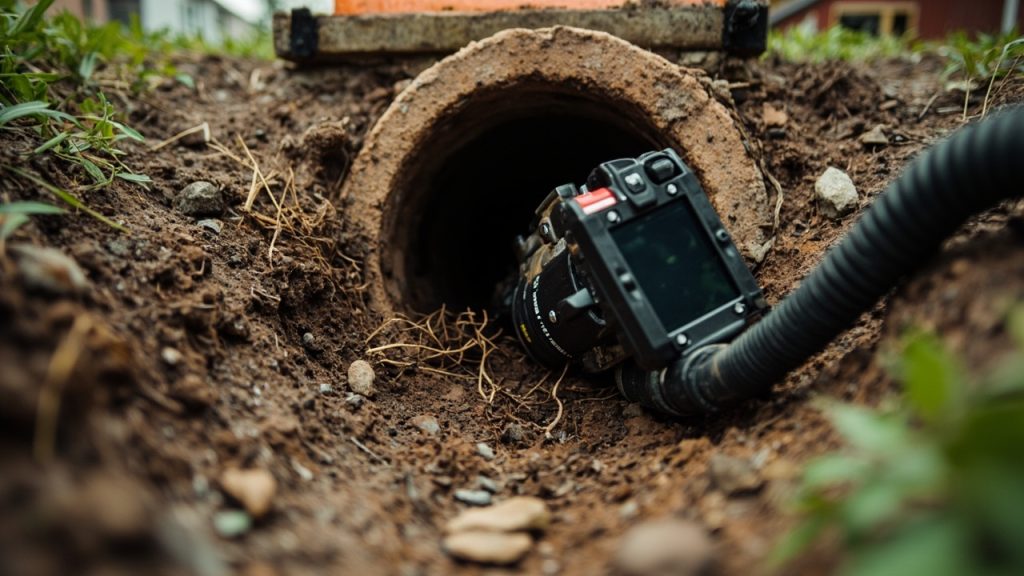
A sewer backup in the Houston Heights creates an immediate crisis for any homeowner. The smell and the potential for property damage require swift action. If you notice water rising in your floor drains or hear your toilet bubbling while the shower runs, your main sewer line has failed. You are likely dealing with a blockage or a structural collapse in the pipe connecting your home to the City of Houston municipal system. This neighborhood is famous for its historic architecture and beautiful oak trees, but those very features create unique plumbing challenges in 2026.
Immediate Steps to Take During a Sewer Backup
Your first priority is to stop all water usage inside the house. Do not flush toilets, run the dishwasher, or use the washing machine. Every gallon of water you send down the drain will end up on your bathroom floor if the main line is obstructed. If the backup is severe, you should perform an emergency water shut-off service to ensure no automated appliances add to the flooding. Once the water is off, you need to locate your sewer cleanout. This is usually a white or black plastic pipe sticking out of the ground near the foundation of your home. Opening the cap on the cleanout can sometimes relieve pressure and redirect the backup into your yard instead of your bathtub.
After you have contained the immediate flow, you must call for professional help. Attempting to clear a main line with chemical cleaners is ineffective and can damage older pipes. You need a team that understands the specific infrastructure of the Heights. The soil in this area of Houston is notoriously heavy in clay, which shifts during the extreme wet and dry cycles common in 2026. These shifts put immense pressure on underground pipes, leading to cracks and offsets that catch debris and cause backups.
Why Houston Heights Sewer Lines Fail Frequently
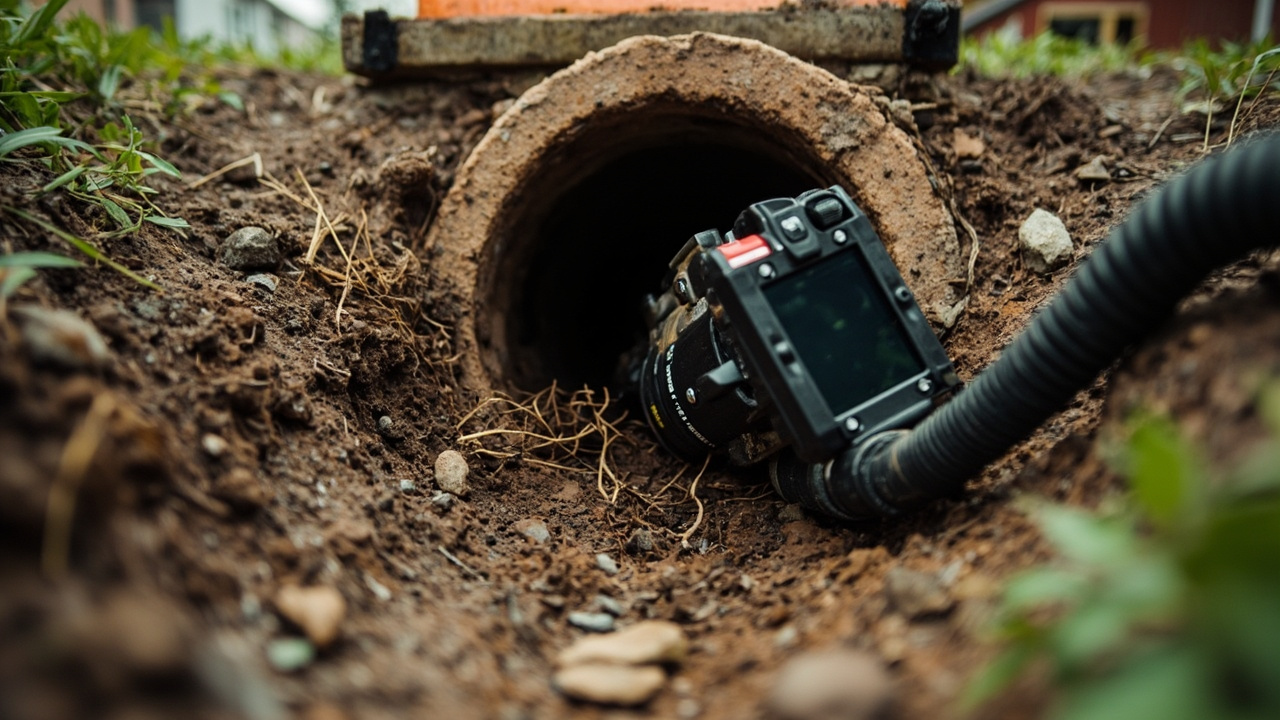
The infrastructure in the 77008 and 77009 zip codes consists of a mix of materials. While newer builds use PVC, many of the historic bungalows still rely on older clay or cast iron pipes. These materials are highly susceptible to root intrusion. The massive live oaks that line streets like Heights Boulevard have root systems that extend far beyond their canopies. These roots seek out the moisture inside your sewer lines and can penetrate even microscopic cracks. Once inside, they grow into a thick mat that completely blocks the flow of waste. This often results in gurgling toilet sounds and slow drains throughout the entire house.
Another factor is the shifting gumbo soil. As the ground expands and contracts, it can cause sections of the pipe to drop, creating what plumbers call a belly. Waste settles in these low spots instead of flowing to the city main. Over time, this leads to a hard blockage that no plunger can fix. Our team frequently handles severe clog and backup removal in these exact conditions. Understanding the local geography is essential for a long-term fix rather than a temporary patch.
Identifying Symptoms of an Impending Sewer Failure
Most sewer lines do not fail without warning. If you pay attention to the performance of your drains, you can often catch the problem before raw sewage enters your living space. Watch for these common indicators
- Multiple drains running slowly at the same time
- Water backing up into the shower when you flush the toilet
- Persistent foul odors around the exterior of your home
- Lush green patches of grass in your lawn even during dry spells
- Indication of wet spots in yard that do not dry out
- Frequent need for drain cleaning and rooter service
If you experience any of these signs, you should schedule a plumbing inspection checklist review. Early detection allows for less invasive repair options. Waiting until a total collapse occurs usually means you will need more expensive excavation or pipe replacement services.
Video Camera Inspection and Diagnostic Technology
In 2026, we do not guess where a sewer problem is located. We use high-definition waterproof cameras that we feed directly into your sewer line. This allows us to see the exact condition of the pipe interior. We can identify root clusters, cracked sections, and structural collapses without digging a single hole in your yard. This technology is vital for homeowners in the Heights who want to preserve their historic landscaping and gardens. The camera footage provides a clear map of the line, showing us the depth and distance of the problem. This data is necessary for providing an accurate estimate for sewer line repair and replacement.
Diagnostic tools also help us determine if the issue is on your property or within the City of Houston responsibility. Generally, the homeowner is responsible for the line up to the point where it connects to the city main. If the camera shows the blockage is in the city segment, you can contact the municipal authorities to handle the repair. This can save you thousands of dollars in unnecessary work.
Comparison of Sewer Pipe Materials in Houston
| Material Type | Common Era | Root Resistance | Average Longevity |
|---|---|---|---|
| Vitrified Clay | Historic Homes | Low | 50 to 60 Years |
| Cast Iron | Mid Century | Medium | 40 to 50 Years |
| Schedule 40 PVC | Modern Era | High | 100 Plus Years |
| Cured in Place Pipe | 2026 Standard | Excellent | 50 Plus Years |
Trenchless Sewer Repair vs Traditional Excavation
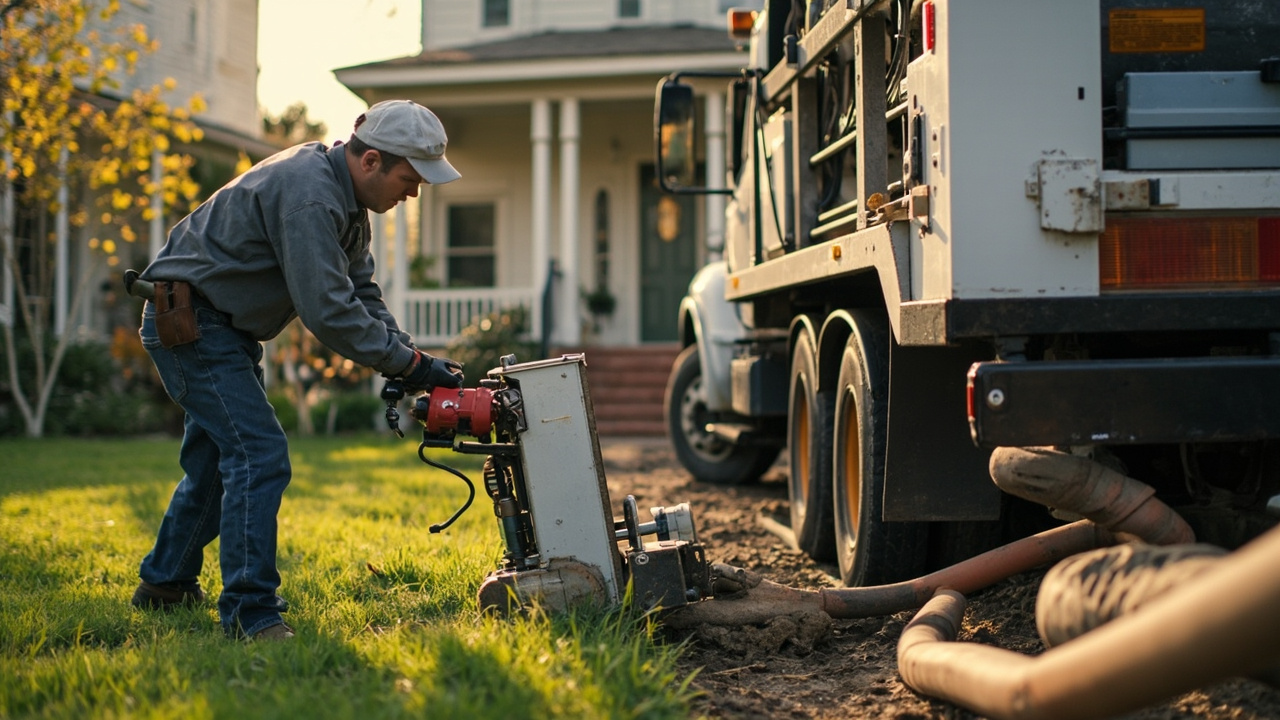
When a repair is necessary, Heights residents often prefer trenchless sewer repair. This method, also known as CIPP or cured-in-place pipe, involves inserting a resin-saturated liner into the existing pipe. Once the resin hardens, it creates a new, seamless pipe within the old one. This eliminates the need to dig a trench through your yard, driveway, or sidewalk. It is particularly effective for historic properties where preserving the original aesthetic is a priority. Trenchless repairs are faster and often more durable because they eliminate the joints that allow roots to enter the system.
Traditional excavation is still required in cases where the pipe has completely collapsed or if there is a severe belly in the line. In these instances, we must dig down to the pipe to physically replace the damaged section. While more disruptive, this remains the only way to correct grade issues in the line. Our team works to minimize the footprint of the dig and restore your lawn as quickly as possible. For residents in nearby areas like plumbing Bellaire or plumbing Spring, we offer similar specialized services tailored to local soil conditions.
Sewer Repair Process Comparison
| Feature | Trenchless Lining | Traditional Digging |
|---|---|---|
| Landscape Damage | Minimal to None | Significant |
| Average Duration | 1 to 2 Days | 3 to 5 Days | City of Houston | City of Houston |
| Structural Integrity | Seamless Protection | Standard Jointed Pipe |
Hydro Jetting for Stubborn Blockages
If the pipe is structurally sound but clogged with heavy grease or roots, hydro jetting services are the best solution. This process uses high-pressure water to scour the interior walls of the pipe. Unlike a standard drain snake, which only pokes a hole through a blockage, hydro jetting removes the entire obstruction and flushes it out. This is a common requirement for commercial sewer line repair in Heights restaurants where grease buildup is a constant threat. Regular maintenance jetting can prevent emergency backups and extend the life of your sewer system. You can find more details in our hydro jetting vs snaking comparison guide.
Hydro jetting is also an essential preparation step for pipe lining. The surface of the old pipe must be perfectly clean for the resin to bond correctly. By using specialized nozzles, we can remove even the most stubborn tree roots that have invaded the line. This ensures that the new liner provides a permanent seal against future intrusion. For information on local plumbing regulations, the International Association of Plumbing and Mechanical Officials provides resources on industry standards that we follow strictly in 2026.
Permitting and City of Houston Regulations
Any major sewer repair in the Heights requires a permit from the City of Houston. This ensures the work meets current safety and environmental codes. The permit process involves a plan review and a final inspection by a city official once the repair is complete but before the trench is filled. We handle all aspects of the permitting process for our clients. Working without a permit can lead to heavy fines and issues when you try to sell your home. It is important to verify that your contractor is following the City of Houston Building Codes to protect your investment.
In 2026, the city has updated regulations regarding backflow prevention. Many older homes in the Heights do not have modern backflow prevention and testing systems. Installing a backwater valve during your sewer repair is a smart move. This device allows waste to exit your home but prevents city sewer overflows from flowing back into your pipes during heavy Houston rainstorms. Given the increased frequency of flash flooding in 2026, this is a critical upgrade for any low-lying property.
Restoring Your Property After Sewer Work
A sewer backup is a traumatic event that often requires emergency sewer backup cleanup. Once the line is flowing again, you must address the sanitation of your home. Raw sewage contains harmful bacteria and pathogens that require professional remediation. We work closely with restoration experts to ensure your home is safe for your family. If the backup occurred in a crawlspace, we check for mold in bathroom cabinets and under floorboards.
Outside, the restoration of your yard is the final step. If we performed a traditional excavation, the soil will need time to settle before you replant grass or shrubs. We use specialized backfilling techniques to minimize future sinkholes. For those who chose trenchless options, the restoration is much simpler, often only requiring a small patch of grass where the access point was located. We understand that residents in the Heights take great pride in their homes, and our goal is to leave your property looking as though we were never there.
Preventing Future Sewer Backups in The Heights
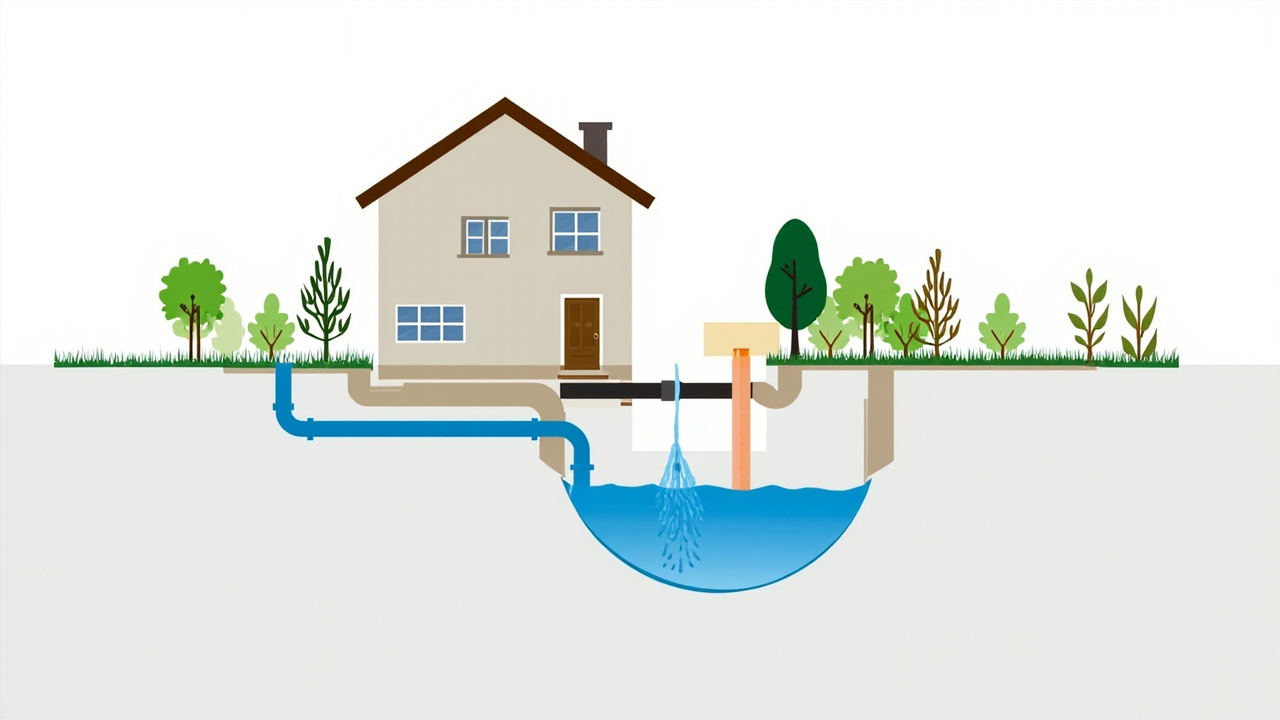
Maintenance is the key to avoiding a repeat of a sewer crisis. We recommend a professional camera inspection every two years for homes with mature trees. This allows us to spot small root intrusions before they become total blockages. You should also be mindful of what goes down your drains. Never flush wipes, even if they are labeled as flushable, and avoid pouring grease down the kitchen sink. If you have concerns about your overall plumbing health, a plumbing inspection checklist can provide peace of mind.
For those managing larger properties or businesses, we offer preventative commercial maintenance programs. These are designed to catch issues in high-use systems before they disrupt your operations. Whether you are in the Heights or need plumbing Katy services, consistent care is the most cost effective way to manage your sewer system in 2026. If you are facing an active backup right now, do not wait. Contact our team for a rapid response to stabilize your home and provide a permanent solution for your sewer line failure.