menu

Preventative Commercial Maintenance in Houston | Protect Your Business from Unplanned Downtime

Atlas Plumbing Houston delivers scheduled commercial plumbing upkeep that keeps your facility compliant, operational, and free from costly emergency repairs that disrupt revenue and damage your reputation.

Slider Image 1
Slider Image 2
Slider Image 3
Slider Image 4
Slider Image 5
Slider Image 7
Slider Image 8
Slider Image 9
Slider Image 10
Slider Image 11

Houston's Infrastructure Demands Proactive Commercial Plumbing Management

Commercial facilities in Houston face relentless pressure from high humidity, aggressive mineral deposits in the municipal water supply, and soil subsidence that shifts foundation-mounted plumbing systems. A restaurant in Midtown loses $8,000 in a single weekend when a corroded waste line backs up into the kitchen. A medical office near the Texas Medical Center shuts down for three days after a water heater failure floods exam rooms. These failures do not announce themselves. They compound silently until the damage is catastrophic.

Preventive commercial plumbing services eliminate the guesswork. Routine commercial plumbing inspections catch the early warning signs: calcium buildup in water heaters, micro-leaks in supply lines, drain blockages forming in grease traps, pressure imbalances that stress pipe joints. Commercial plumbing maintenance plans are not about selling you unnecessary parts. They are about mapping your system's vulnerabilities and addressing them before they trigger shutdowns. Houston's clay soil expands and contracts with moisture cycles, which stresses underground sewer laterals and supply mains. If you wait for a pipe to burst, you are not managing risk. You are accepting it.

Commercial plumbing service agreements provide scheduled access and priority response. Your facility does not stop generating waste or consuming water on weekends. Your maintenance should not stop either. Scheduled commercial plumbing upkeep means your systems are documented, monitored, and maintained on a predictable interval that aligns with your operational calendar, not your crisis schedule.

Houston's Infrastructure Demands Proactive Commercial Plumbing Management
How Atlas Plumbing Houston Structures Commercial Maintenance Programs

How Atlas Plumbing Houston Structures Commercial Maintenance Programs

We do not sell generic checklists. Every commercial plumbing maintenance plan starts with a system audit. We map your water supply lines, waste drainage paths, fixture locations, water heating equipment, backflow prevention devices, and emergency shutoff points. We document pipe materials, installation dates, and known failure points. This baseline allows us to build a maintenance schedule that targets your actual risk factors, not a template borrowed from another industry.

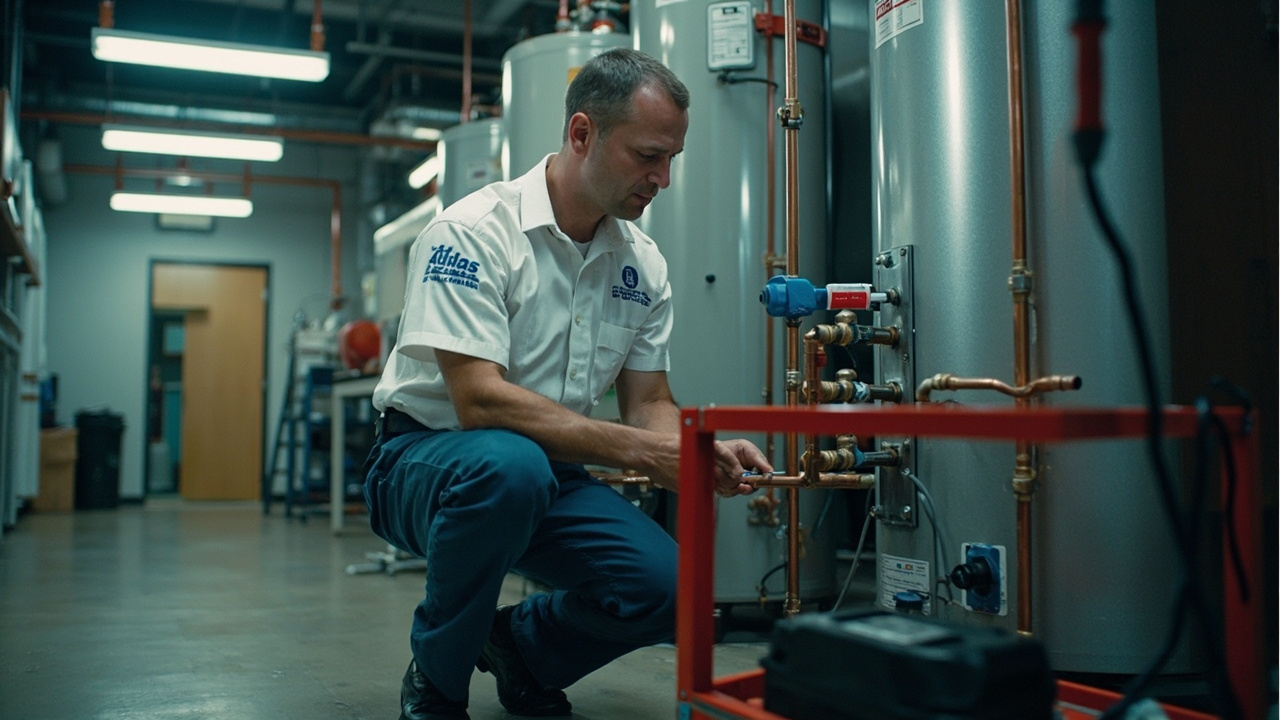
Routine commercial plumbing inspections include hydrostatic pressure testing on closed-loop systems, thermal imaging on concealed supply lines, video camera inspection of drain lines, and flow rate testing at fixtures to detect hidden obstructions. We measure water hardness and pH levels to assess corrosion risk. We inspect backflow preventers for compliance with the City of Houston Cross-Connection Control Program. We test pressure-reducing valves to ensure they are not over-pressurizing downstream fixtures. We inspect water heaters for sediment accumulation, anode rod deterioration, and flue gas venting issues that create carbon monoxide hazards.

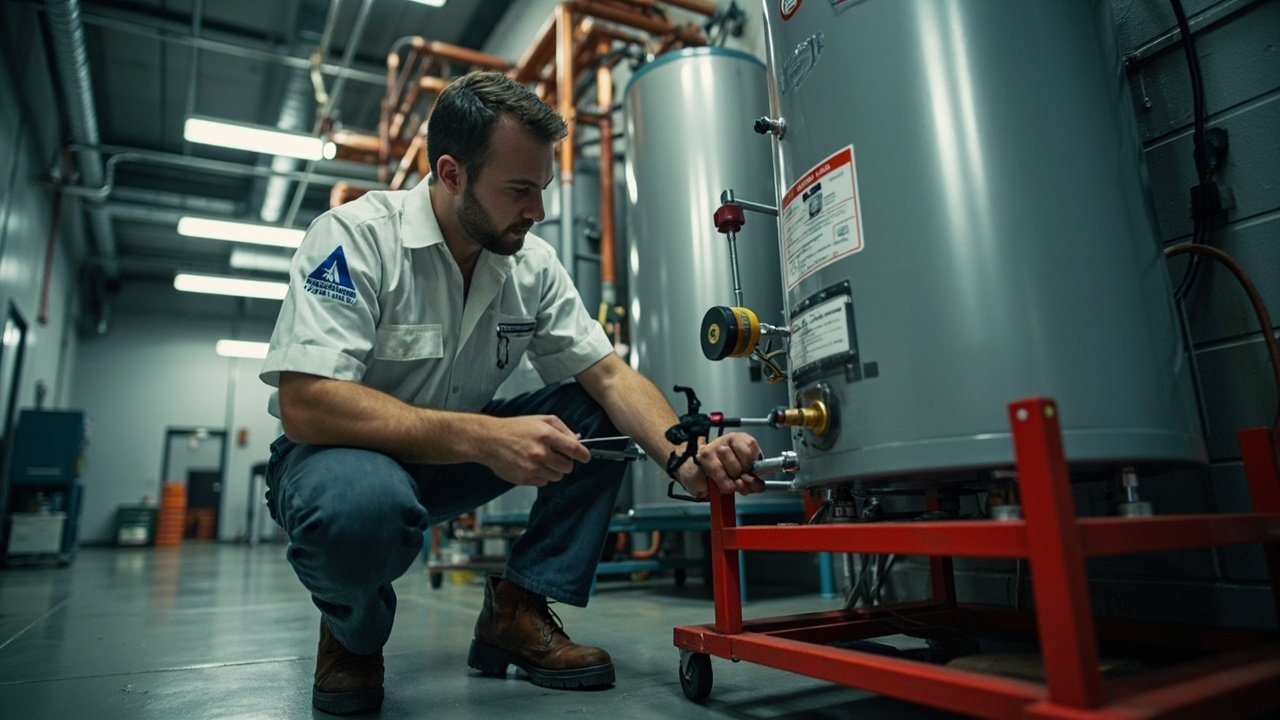
Preventive commercial plumbing services extend beyond inspections. We descale tankless water heaters, flush sediment from tank-style units, clear aerators and flush valves, clean grease traps before they reach capacity, and adjust fill valves and flappers in toilet tanks to eliminate phantom leaks that waste thousands of gallons annually. We replace sacrificial components like anode rods and dip tubes before they fail. We tighten compression fittings and inspect flexible supply lines for bulging or cracking. This is not reactive repair work. This is controlled degradation management. You replace parts on your schedule, at your cost, not in an emergency at triple the price.

What Happens During Your Scheduled Service Visit

Preventative Commercial Maintenance in Houston | Protect Your Business from Unplanned Downtime
01

System Documentation Review

We begin every visit by reviewing your facility's plumbing history, previous service notes, and any operational changes since the last inspection. This includes checking for new equipment installations, tenant modifications, or reported issues from your staff. We update our system map to reflect current conditions and prioritize high-risk areas based on usage patterns, equipment age, and past failure points. This ensures we focus on the components most likely to fail.
02

Physical Inspection and Testing

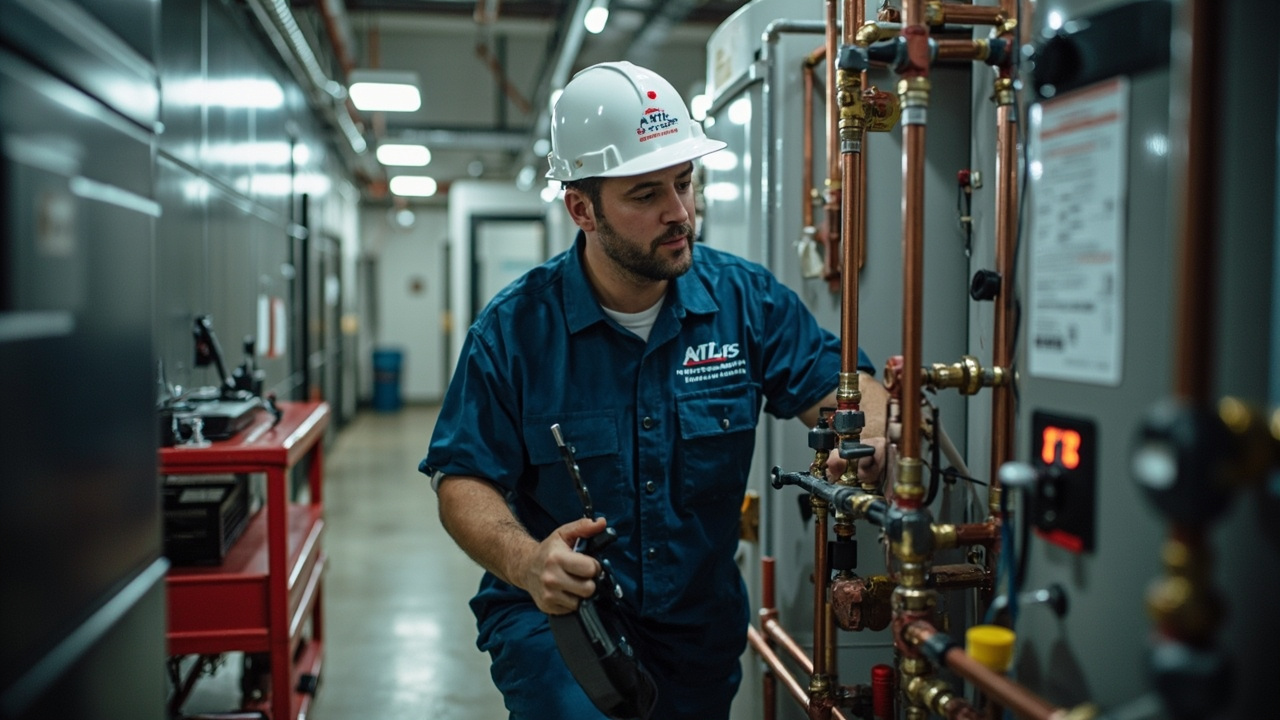
Technicians perform hands-on inspections of all accessible plumbing components. We test water pressure at multiple fixtures, inspect exposed piping for corrosion or leaks, and evaluate drain flow rates. We use diagnostic equipment like thermal cameras and moisture meters to detect hidden problems. Water heaters are inspected for sediment buildup, proper venting, and temperature accuracy. Backflow preventers are tested for compliance. We document everything with photos and measurements for your records and regulatory filings.
03

Corrective Action and Reporting

After inspection, you receive a detailed report ranking issues by urgency and business impact. We separate immediate safety hazards from deferred maintenance items. You decide what gets addressed now and what gets scheduled for your next service window. We perform approved maintenance tasks on-site, replace worn components, and adjust system settings for optimal performance. You receive updated documentation, compliance certifications if required, and a prioritized action plan for the next service interval. No surprises. No emergency calls.

Why Houston Businesses Trust Atlas Plumbing Houston for Scheduled Upkeep

Commercial plumbing failures do not respect your operating hours. A grease trap overflow at a restaurant in the Heights during Saturday brunch is not just a plumbing problem. It is a health department violation, lost revenue, and reputation damage. A slab leak at a retail location in the Galleria floods inventory and forces a temporary closure. These events are preventable if you have a structured maintenance program managed by technicians who understand Houston's specific challenges.

Atlas Plumbing Houston specializes in commercial plumbing service agreements for multi-tenant office buildings, medical facilities, restaurants, retail centers, and industrial warehouses. We understand the City of Houston plumbing code requirements, including backflow prevention mandates and grease trap sizing regulations. We know that buildings near Buffalo Bayou or Brays Bayou deal with higher water table fluctuations that stress below-grade plumbing. We know that older structures in Montrose or the East End have cast iron drain lines that corrode faster in Houston's humidity.

Our maintenance plans are built around your business continuity requirements. If you cannot afford downtime during business hours, we schedule service during off-peak windows. If you operate 24/7, we work in phases that isolate sections of your facility without shutting down operations. We carry commercial-grade parts and equipment on every service truck, so repairs do not require multiple trips or extended wait times for parts orders. We provide documentation that satisfies insurance audits, lease compliance requirements, and regulatory inspections. You are not just buying plumbing service. You are buying operational predictability and risk reduction.

What Your Commercial Maintenance Agreement Includes

Service Frequency and Scheduling

Maintenance intervals are customized to your facility type and usage. High-volume restaurants and medical offices typically require quarterly inspections. Office buildings and retail centers often operate on semi-annual schedules. We schedule service during your low-traffic periods to minimize disruption. You receive advance notice before every visit, and our technicians arrive within the agreed service window. Emergency calls from contract clients receive priority dispatch. You are not competing with non-contract customers for appointment slots during a crisis.

Comprehensive System Evaluation

Every maintenance visit includes a full system inspection, not just a quick walkthrough. We test water pressure at all fixtures, inspect supply lines and shut-off valves, evaluate drain flow rates, check water heaters for sediment and proper operation, test backflow preventers, inspect exposed piping for corrosion, and use diagnostic tools to detect hidden leaks or moisture intrusion. You receive a written report with photos, test results, and prioritized recommendations. This documentation satisfies insurance requirements and provides a defensible record of due diligence.

Component Replacement and Adjustments

Preventive maintenance includes replacing wear items before they fail. We flush water heaters to remove sediment, replace anode rods that protect tanks from corrosion, clean aerators and flush valves, adjust toilet fill valves and flappers, clear slow drains before they block completely, and tighten loose fittings that will eventually leak. These small interventions prevent major failures. You pay for controlled maintenance, not emergency repairs at triple the cost. Parts and labor for approved maintenance tasks are completed during the scheduled visit.

Priority Emergency Response

Contract clients receive priority dispatch for emergency calls. If a pipe bursts or a drain backs up, you move to the front of the queue. Our technicians already know your facility layout, equipment specifications, and system vulnerabilities from previous maintenance visits, which speeds diagnosis and repair. You are not explaining your system to a stranger during a crisis. We maintain detailed service records and equipment histories, so every technician who responds to your location has full context. This reduces troubleshooting time and prevents repeat failures.

Frequently Asked Questions

You Have Questions,
We Have Answers

What are examples of preventative maintenance? +

Preventative maintenance includes filter replacement, coil cleaning, refrigerant level checks, thermostat calibration, electrical connection inspections, condensate drain clearing, blower motor lubrication, and belt tension adjustments. For commercial facilities in Houston, this also means inspecting rooftop units for corrosion due to Gulf humidity, checking ductwork for mold growth, and ensuring dampers operate correctly. Regular inspections catch worn components before they fail during peak cooling season. These tasks reduce downtime, maintain energy efficiency, and extend equipment lifespan. A structured maintenance plan addresses all system components on a scheduled basis, preventing costly emergency repairs and protecting business continuity.

How much does preventive maintenance cost for commercial HVAC? +

Commercial HVAC preventive maintenance costs vary based on system size, unit quantity, and service frequency. Facilities typically invest between two and five percent of equipment replacement value annually. Factors affecting cost include rooftop access requirements, unit tonnage, building square footage, and service contract terms. Houston's aggressive summer cooling demands and high humidity increase wear, making regular maintenance a cost-effective investment. Quarterly or biannual service schedules prevent expensive breakdowns during critical business hours. The investment protects against downtime losses, reduces energy consumption, and extends equipment life, delivering measurable ROI compared to reactive repair expenses.

What are the 7 elements of preventive maintenance? +

The seven elements of preventive maintenance are inspection, detection, correction, prevention, prediction, lubrication, and adjustment. Inspection identifies wear and damage. Detection uses diagnostic tools to find hidden issues. Correction addresses minor problems before they escalate. Prevention implements measures to stop failures. Prediction analyzes data trends to forecast component life. Lubrication reduces friction on moving parts. Adjustment ensures systems operate within specifications. For commercial properties in Houston, these elements combat humidity corrosion, reduce cooling inefficiencies, and maintain indoor air quality. A comprehensive program integrating all seven elements minimizes unplanned downtime and maximizes asset performance.

What is the $5000 rule for HVAC? +

The $5000 rule states that if a major HVAC repair exceeds $5000 and the unit is over 10 years old, replacement often makes better financial sense than repair. This guideline considers remaining equipment lifespan, energy efficiency improvements, and cumulative maintenance costs. For commercial properties, additional factors include business disruption risks, warranty coverage, and code compliance. Houston's extreme heat accelerates equipment degradation, reducing effective service life. When facing expensive compressor or heat exchanger replacements, evaluate total ownership costs over the next five years. Newer systems offer better efficiency ratings, reducing operating expenses and improving reliability during critical cooling months.

What are the 7 types of maintenance? +

The seven types of maintenance are preventive, predictive, corrective, condition-based, predetermined, routine, and emergency. Preventive follows scheduled intervals. Predictive uses data analytics to forecast failures. Corrective repairs identified defects. Condition-based responds to monitoring indicators. Predetermined replaces components at specified intervals. Routine handles daily operational checks. Emergency addresses unexpected breakdowns. Commercial facilities in Houston benefit most from combining preventive and predictive approaches, using sensors and performance data to optimize service timing. This hybrid strategy balances scheduled maintenance with real-time condition monitoring, reducing both planned downtime and emergency service calls while maximizing equipment reliability.

What qualifies as preventative maintenance? +

Preventative maintenance qualifies as scheduled, proactive service performed to prevent equipment failure before it occurs. This includes tasks like filter changes, system inspections, component cleaning, lubrication, calibration, and testing. Unlike reactive repairs, preventative work addresses normal wear patterns on a planned schedule. For commercial systems, this means quarterly or seasonal service visits covering all critical components. Work must be documented, including measurements and findings. In Houston's climate, preventative maintenance specifically targets humidity-related issues like coil fouling, mold growth, and corrosion. The key distinction is timing: work happens before failure, not after, protecting business operations and reducing total maintenance costs.

What is the 3 minute rule for AC? +

The 3 minute rule requires waiting three minutes between system shutdowns and restarts to protect the compressor. This delay allows refrigerant pressures to equalize throughout the system. Starting a compressor against high pressure differential causes excessive current draw, overheating windings and shortening component life. Commercial building automation systems should include time delays preventing rapid cycling. Houston's frequent afternoon thunderstorms can cause power interruptions, making this protection essential. Hard start kits and anti-short-cycle timers provide additional safeguards. Educating facility staff about this rule prevents premature compressor failure. Ignoring it voids warranties and leads to expensive emergency replacements during peak cooling season.

How long does HVAC preventative maintenance take? +

HVAC preventative maintenance takes 45 minutes to two hours per rooftop unit, depending on system size and scope. Comprehensive commercial service includes filter replacement, coil inspection and cleaning, refrigerant checks, electrical testing, controls calibration, condensate system verification, and safety device testing. Multi-unit buildings require proportionally more time. Houston facilities with extensive rooftop equipment may schedule service across multiple visits to minimize business disruption. Rushed maintenance misses critical issues. Proper service includes documentation, performance measurements, and recommendations. Quarterly visits maintain peak efficiency. Annual service alone proves insufficient in Houston's demanding climate. Budget adequate time for thorough inspections rather than superficial walkthroughs.

What is the most expensive part in an HVAC unit? +

The compressor ranks as the most expensive HVAC component, often costing 40 to 60 percent of total system replacement value. This hermetically sealed unit compresses refrigerant, driving the cooling cycle. Failure results from inadequate maintenance, refrigerant issues, electrical problems, or normal wear. For commercial systems, scroll and screw compressors represent significant capital investments. Houston's extended cooling season and high ambient temperatures stress compressors continuously. Preventative maintenance protecting compressor life includes maintaining clean coils, proper refrigerant charge, correct voltage supply, and adequate lubrication. Compressor replacement often triggers total system replacement decisions, making proactive protection economically critical.

What is the 10% rule of preventive maintenance? +

The 10% rule suggests allocating 10 percent of equipment replacement cost annually for preventive maintenance activities. This benchmark helps commercial property managers budget appropriately for scheduled service, component replacements, and system optimization. The rule balances maintenance investment against breakdown risks and energy waste. Houston facilities operating equipment year-round may exceed this percentage due to aggressive environmental conditions. The calculation includes labor, parts, consumables, and contract services. Underfunding maintenance increases failure rates and shortens equipment life. Proper investment extends asset lifespan, maintains warranty compliance, reduces energy consumption, and prevents revenue loss from system downtime during critical business periods.

How Houston's Water Quality and Climate Impact Commercial Plumbing Systems

Houston's municipal water supply carries high mineral content, particularly calcium and magnesium, which accumulate inside water heaters, pipe fittings, and fixture aerators. This scaling reduces water heater efficiency, restricts flow at fixtures, and creates failure points in pressure-reducing valves. The city's humidity accelerates corrosion on exposed metal pipes and fittings, particularly in mechanical rooms and crawl spaces with poor ventilation. Seasonal flooding and high water tables in areas near Buffalo Bayou, White Oak Bayou, and the Houston Ship Channel create hydrostatic pressure that stresses below-grade sewer lines and causes infiltration into waste systems. Preventative commercial maintenance addresses these location-specific stressors before they trigger failures.

Commercial facilities in Houston must comply with the City of Houston Plumbing Code, which mandates annual testing of backflow prevention devices and specific grease trap maintenance schedules for food service establishments. Buildings in the Central Business District and the Texas Medical Center face additional scrutiny due to high occupancy and public health considerations. Atlas Plumbing Houston maintains current knowledge of local code requirements and provides documentation that satisfies inspections and lease compliance audits. Choosing a plumbing contractor unfamiliar with Houston's regulatory environment puts you at risk for failed inspections, fines, and operational shutdowns that could have been avoided with proper local expertise.


Plumbing Services in The Houston Area

Explore our service area and locate Atlas Plumbing with ease. We’re proudly based in Houston and serve surrounding neighborhoods with fast, local plumbing solutions. Whether you need emergency assistance or routine service, we’re just around the corner. Use the map below to check our coverage area or stop by our office for in-person assistance. Our friendly team is ready to help and answer any questions you may have. Experience prompt, professional plumbing service close to home—reach out or visit today!

Address:
Atlas Plumbing Houston, 2200 Post Oak Blvd, Houston, TX, 77056

Additional Services We Offer

Our news updates

Latest Articles & News from The Blogs

Cypress homeowners often struggle with drains that refuse to stay clear. When you live in neighborhoods like Bridgeland or Fairfield,…

Professional Drain Cleaning in Cypress That Clears the Clog for Good

Cypress homeowners often struggle with drains that refuse to stay clear. When you live in neighborhoods like Bridgeland or Fairfield,…

Why Tech Forward Homeowners in Memorial are Swapping to Touchless Kitchen Faucets

Smart Kitchen Upgrades in Memorial Homes for 2026Homeowners in the Memorial area are leading the shift toward smarter more efficient…

Best Sink Materials for Pairing With Your Copperfield Granite Countertops

Upgrading your kitchen in Copperfield requires a deep understanding of how different materials interact with the heavy granite countertops popular…

Contact Us

Stop reacting to plumbing failures and start preventing them. Call Atlas Plumbing Houston at (281) 572-0040 to schedule a facility audit and receive a no-obligation maintenance proposal. Protect your revenue, your reputation, and your peace of mind with structured commercial plumbing upkeep.