menu

How to Prevent Frozen Pipes in Houston – Expert Winterization Tips That Stop Burst Pipe Damage Before It Starts

Learn the proven techniques for preventing frozen pipes in Houston homes and businesses, from insulation strategies to emergency temperature monitoring that protects your plumbing during unexpected hard freezes.

Slider Image 1
Slider Image 2
Slider Image 3
Slider Image 4
Slider Image 5
Slider Image 7
Slider Image 8
Slider Image 9
Slider Image 10
Slider Image 11

Why Houston Homeowners Face Frozen Pipe Risks During Winter Cold Snaps

Houston's subtropical climate creates a dangerous illusion. Most years, you never worry about frozen pipes. Then a hard freeze warning hits, temperatures drop to the low 20s, and thousands of homes flood from burst water lines.

The problem is simple. Houston builders design homes for heat, not cold. Your plumbing runs through attics, exterior walls, and unheated crawl spaces with minimal insulation. When a polar vortex pushes Arctic air south, pipes that sat dormant for decades suddenly face conditions they were never built to handle.

Most Houston homes lack the passive freeze protection standard in northern climates. You have exposed hose bibs on north-facing walls. You have supply lines running through uninsulated spaces. You have HVAC systems that shut down at night when temperatures plummet.

Winterizing plumbing pipes protects vulnerable water lines before the temperature drops. Keeping water pipes from freezing requires understanding where your system is exposed and taking action before the freeze warning becomes an insurance claim.

The 2021 winter storm taught Houston a brutal lesson. Hospitals treated hundreds of cases of hypothermia while plumbers fielded thousands of burst pipe emergencies. Homes built for Gulf Coast humidity suddenly faced Midwest freeze conditions. The pipes lost.

Stopping pipes from freezing starts with identifying your vulnerable points. Every home has them. The question is whether you address them before the next hard freeze or after the damage is done.

Why Houston Homeowners Face Frozen Pipe Risks During Winter Cold Snaps
The Complete Approach to Protecting Pipes From Freezing in Houston Homes

The Complete Approach to Protecting Pipes From Freezing in Houston Homes

Frozen pipe prevention tips work only when you understand the physics. Water expands when it freezes. That expansion creates hydraulic pressure inside your pipes. The pressure builds until something fails, usually at a joint, elbow, or connection point.

The failure might not show immediately. Ice blocks the pipe, preventing water flow until temperatures rise. Then the thaw begins and water floods through the rupture. You discover the damage hours or days after the freeze event.

Effective prevention targets three vulnerabilities.

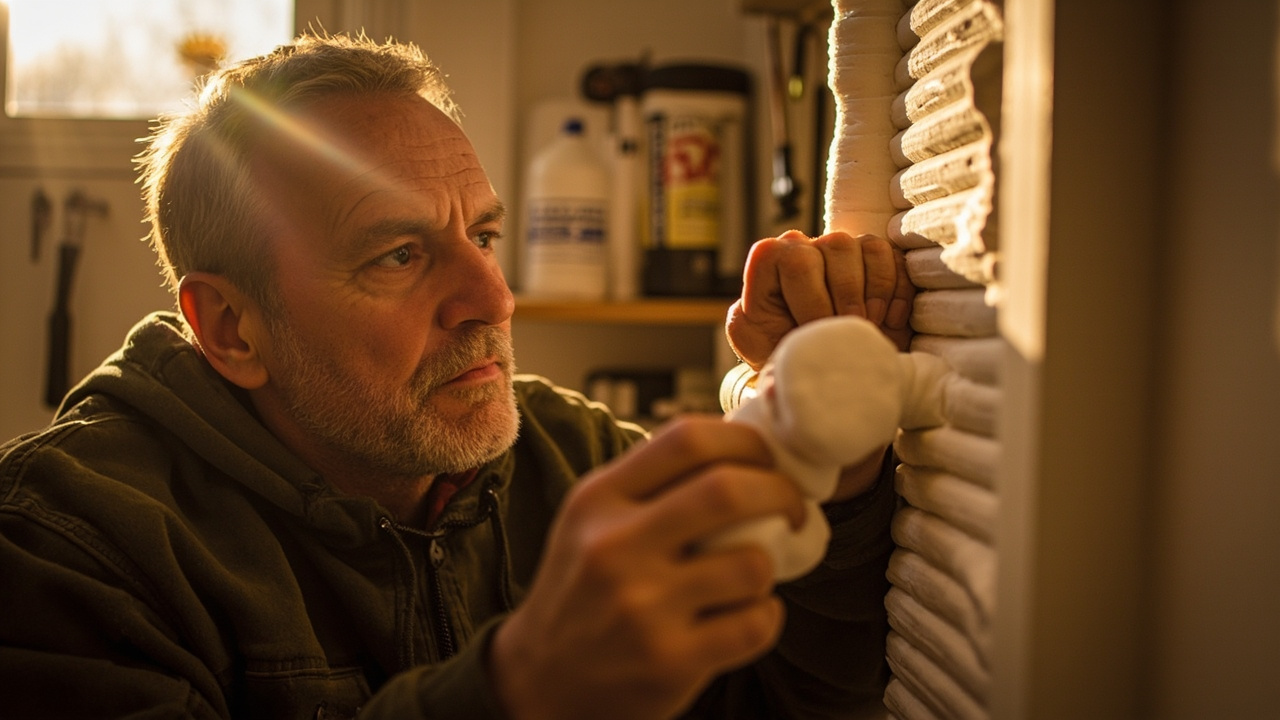
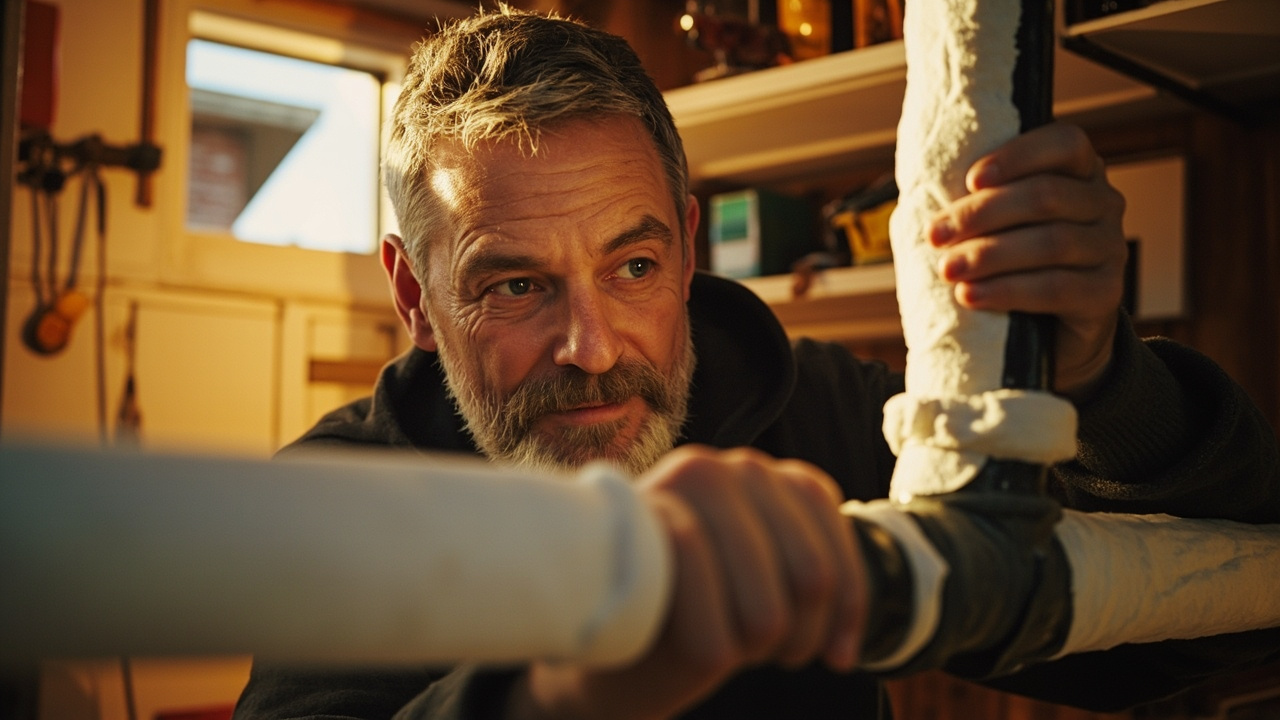
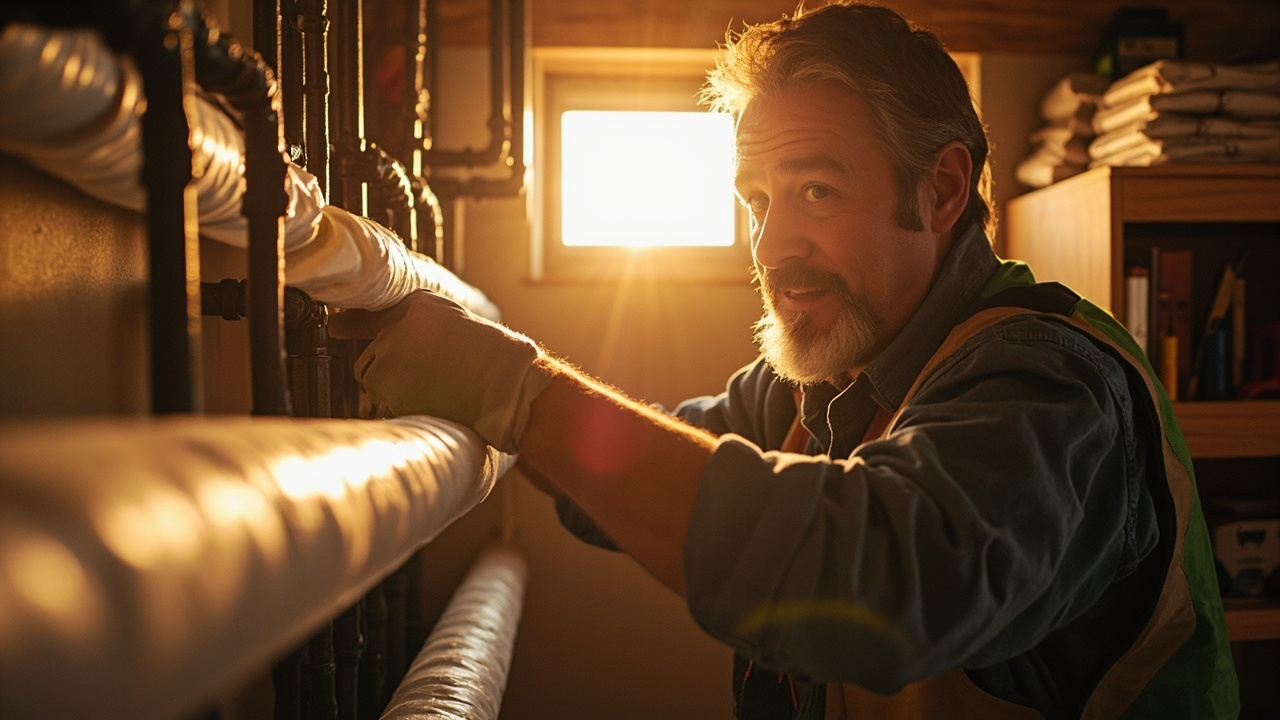
First, eliminate exposure. Pipes in exterior walls, attics, and crawl spaces need insulation. Foam pipe sleeves provide basic protection, but they work only if you eliminate air gaps. Wrap exposed sections completely, especially at connection points where cold air penetrates.

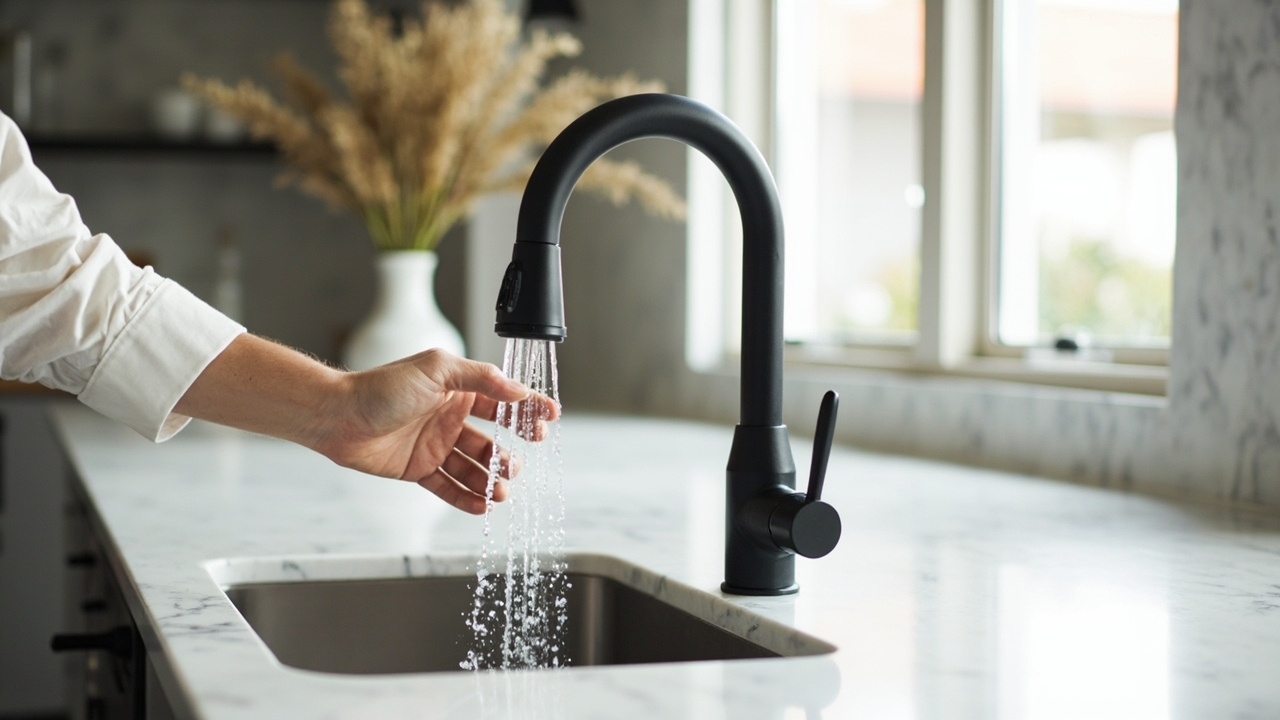
Second, maintain water movement. Running water resists freezing because motion prevents ice crystal formation. During freeze warnings, let faucets drip on lines that run through exterior walls or unheated spaces. The water movement creates enough turbulence to delay freezing.

Third, control ambient temperature. Open cabinet doors under sinks to allow heated air circulation around supply lines. Keep your thermostat at 55 degrees minimum, even when you leave town. The cost of heating an empty house is negligible compared to flood remediation.

Commercial buildings face additional challenges. Large-diameter supply lines hold more water volume, but they also have more linear feet of exposure. Warehouse spaces with minimal heating create freeze risks across entire plumbing zones.

Atlas Plumbing Houston evaluates your complete system during winterization service. We identify vulnerable sections, install insulation where needed, and verify that your pressure relief valves function correctly. Prevention is methodical work, not guesswork.

What Happens During Professional Pipe Winterization Service

How to Prevent Frozen Pipes in Houston – Expert Winterization Tips That Stop Burst Pipe Damage Before It Starts
01

Vulnerability Assessment

We map your plumbing system to identify exposure points. Attic supply lines, exterior wall runs, crawl space sections, and outdoor hose bibs all get documented. We check current insulation conditions and note any previous freeze damage. This assessment creates a prioritized action plan based on your specific vulnerabilities and budget constraints.
02

Strategic Insulation Installation

We install foam pipe insulation on exposed sections, paying attention to joints and elbows where splits typically occur. Hose bibs get insulated covers rated for Houston's occasional hard freezes. Supply lines in attics receive both pipe insulation and supplemental heat tape in extreme exposure areas. We seal wall penetrations where cold air infiltrates around pipe runs.
03

System Testing and Documentation

We verify all shut-off valves operate correctly so you can isolate outdoor sections during freeze warnings. Pressure relief valves get tested to confirm they will prevent hydraulic damage if a section does freeze. You receive documentation showing what was protected and guidance on additional steps to take when the National Weather Service issues hard freeze warnings.

Why Houston Property Owners Choose Local Expertise for Freeze Prevention

National plumbing chains send technicians who learned their trade in Phoenix or Miami. They understand air conditioning and drain cleaning, but they have never experienced what happens to Houston plumbing during a February hard freeze.

Atlas Plumbing Houston was here during the 2021 winter emergency. We fielded hundreds of calls from homeowners watching water pour through ceiling fixtures. We saw the patterns. Pipes in north-facing exterior walls failed first. Attic supply lines running through uninsulated spaces burst next. Outdoor faucets that nobody thought to disconnect created ice dams that spread into interior walls.

We know which Houston home designs are most vulnerable. Post-war bungalows with pier and beam foundations have exposed crawl space plumbing. 1980s suburban builds routed supply lines through attics to save construction costs. Modern McMansions in master-planned communities have complex plumbing layouts with multiple exposure points.

Local building codes in Houston do not require the freeze protection standard in northern climates. Your home might meet code perfectly and still flood during a hard freeze. We bridge that gap by applying cold-climate winterization techniques to Gulf Coast construction.

Our technicians understand the cost calculation Houston homeowners face. You do not want to spend heavily on equipment you might use once every five years. We focus on high-value interventions that protect your most vulnerable sections without unnecessary expense.

We also understand the business disruption frozen pipes cause to Houston commercial properties. Restaurants lose inventory when supply lines fail. Medical offices cancel appointments when restroom facilities go offline. Warehouses face product damage when sprinkler system pipes burst. Our commercial winterization service prioritizes business continuity.

Geographic knowledge matters. We know which Houston neighborhoods have older infrastructure, which areas face the most exposure to north winds, and which property types suffered the most damage in previous freeze events.

What You Can Expect From Professional Winterization Service

Rapid Seasonal Response

Freeze warnings in Houston arrive with little notice. We monitor National Weather Service forecasts and adjust our scheduling to accommodate pre-freeze service calls. If you call when a hard freeze warning is issued, we prioritize emergency winterization appointments. Our goal is to get vulnerable pipes protected before temperatures drop, not after the damage occurs. During non-emergency periods, we schedule comprehensive assessments that take 90 minutes to two hours depending on property size and plumbing complexity.

Detailed Exposure Evaluation

Our assessment is not a quick visual inspection. We trace supply lines from your water meter through the entire distribution system. We enter attics, inspect crawl spaces, and identify every section that runs through unheated or exterior-adjacent spaces. We check existing insulation for gaps, compression, or water damage that reduces effectiveness. You receive a written report identifying high-risk sections, medium-risk areas, and recommended interventions prioritized by cost and protection value.

Proven Protection Installation

We use materials proven in actual freeze conditions, not the cheapest option available. Foam pipe insulation gets installed with attention to joints and connection points where failure typically occurs. Heat tape installation follows manufacturer specifications for voltage, spacing, and thermostat settings. Hose bib covers provide dead air space that prevents freeze penetration. When we finish the installation, your vulnerable sections have the protection they need to survive Houston's next polar vortex.

Ongoing Freeze Preparedness Support

Winterization is not a one-time event. We provide guidance on steps you should take when freeze warnings are issued, including which faucets to drip, how to adjust your thermostat, and when to shut off outdoor water supplies. We are available by phone during freeze events if you have questions or concerns about your system. Annual re-inspection service verifies that installed protection remains effective and identifies any new vulnerabilities created by plumbing modifications or home additions.

Frequently Asked Questions

You Have Questions,
We Have Answers

How do I stop my pipes from freezing? +

Insulate exposed pipes in your attic, crawl spaces, and exterior walls with foam sleeves or heat tape. Open cabinet doors under sinks to let warm air circulate around pipes. Disconnect and drain garden hoses before cold snaps. Seal gaps around pipes where they enter your home to block cold air. In Houston's humid climate, condensation in unheated areas can worsen freeze risk. Let faucets drip when temps drop below 32 degrees. Keep your thermostat at 55 degrees minimum, even if you leave town. Insulation is the best defense, especially for homes built without freeze protection.

At what temperature will pipes freeze? +

Pipes begin freezing when water inside reaches 32 degrees Fahrenheit. The pipe itself can withstand lower air temperatures before freezing occurs, usually around 20 degrees for sustained periods. In Houston, freezing typically happens during cold fronts when temps drop into the teens or low twenties overnight. Your risk increases with wind chill, which accelerates heat loss. Uninsulated pipes in exterior walls, attics, or crawl spaces freeze faster than interior pipes. Metal pipes conduct cold better than PVC. Pipes with low or no water flow freeze before active lines. Duration matters as much as temperature.

At what temperature should you let your faucets drip? +

Start letting faucets drip when outdoor temps drop to 32 degrees or below, especially if the forecast predicts prolonged cold. In Houston, this usually happens during rare winter storms or Arctic fronts. A slight drip keeps water moving, which prevents freezing. Target faucets on exterior walls or those fed by exposed pipes. You do not need a heavy stream. A pencil-thin flow or steady drip works. Open both hot and cold taps slightly. The goal is movement, not volume. This tactic becomes critical when temps fall into the twenties and stay there for hours.

How much water should I run to keep pipes from freezing? +

Run water at a slow, steady drip, about the width of a pencil lead or five drops per minute. You do not need a rushing stream. The goal is to keep water molecules moving through the pipe, which prevents ice formation. Open both hot and cold lines if the pipe serves both. In Houston, where freezes are short-lived, a drip overnight during the coldest hours is usually enough. Focus on faucets connected to vulnerable pipes in attics, exterior walls, or unheated spaces. Wasting a few gallons costs far less than repairing burst pipes and water damage.

How warm to keep a house to prevent pipes from freezing? +

Keep your thermostat at 55 degrees minimum to protect pipes, even when you are away. Interior pipes in conditioned spaces stay safe at this temperature. In Houston homes, the bigger risk is unheated attics, garages, or crawl spaces where pipes run. Heat these areas separately if possible, or insulate pipes aggressively. Open cabinet doors to let warm air reach pipes under sinks. If you have a two-story home, heat rises, so ground-floor exterior walls need attention. Do not turn heat off completely during cold snaps. Consistent warmth costs less than emergency repairs.

Do ping pong balls keep water from freezing? +

No, ping pong balls do not prevent pipe freezing. This myth claims floating balls reduce surface area exposure and slow freezing in open containers like pools or livestock troughs. It has no application to closed plumbing systems. Water inside pipes freezes from the outside in, and no object can stop that process. In Houston, focus on proven methods like insulation, heat tape, and dripping faucets. Ping pong balls might delay ice formation in an open bucket, but they cannot protect your plumbing. Rely on insulation and controlled water flow, not gimmicks.

Does keeping heating on stop pipes from freezing? +

Yes, keeping your heating system running prevents pipes from freezing in conditioned spaces. Set your thermostat to at least 55 degrees, even when you leave town. Heat warms interior walls and the air around pipes, which stops freezing. In Houston, the challenge is pipes in unheated areas like attics, garages, or crawl spaces. Your HVAC system does not reach these spaces, so insulate pipes there with foam sleeves or heat tape. Open cabinet doors to let warm air circulate under sinks. Consistent indoor heat protects most pipes, but exposed lines need additional help.

Where are the pipes most likely to freeze? +

Pipes freeze first in unheated or poorly insulated areas. In Houston homes, the top risks are attics, crawl spaces, exterior walls, and unheated garages. Pipes near windows or vents also freeze faster due to drafts. Water lines serving outdoor faucets or sprinkler systems are vulnerable if not drained. Older homes built without freeze protection have pipes in exterior walls with little insulation. Metal pipes conduct cold faster than PVC. Look for pipes with direct exposure to outside air, limited insulation, or low water flow. These spots need foam sleeves or heat tape before cold snaps.

Does homeowners insurance cover frozen pipes? +

Most homeowners insurance policies cover damage from burst frozen pipes, but not the cost to repair the pipes themselves. You must show you took reasonable steps to prevent freezing, like maintaining heat or draining pipes before a trip. If you leave your home unheated and pipes burst, your claim may be denied. Document your prevention efforts. Insurance covers water damage to floors, walls, and belongings, but deductibles apply. In Houston, where freezes are rare, some policies may have specific cold-weather exclusions. Review your policy and ask your agent about coverage limits before winter.

Does leaving your faucet dripping keep pipes freezing? +

Yes, leaving faucets dripping helps prevent pipes from freezing. Moving water resists freezing better than still water. A slight drip keeps molecules flowing through the pipe, which disrupts ice formation. Open both hot and cold taps slightly to protect both supply lines. Focus on faucets connected to vulnerable pipes in exterior walls, attics, or crawl spaces. In Houston, drip faucets overnight when temps drop into the twenties. A pencil-thin stream or steady drip works. You will waste a few gallons, but repairing burst pipes and water damage costs thousands more. Dripping works.

How Houston's Subtropical Climate Creates Unique Freeze Prevention Challenges

Houston averages only three to five nights per year when temperatures drop below freezing. Most years, you never see a hard freeze below 28 degrees. That infrequency creates complacency. Northern homeowners know to winterize pipes every October because they face months of freezing weather. Houston homeowners ignore the risk until the rare Arctic outbreak pushes temperatures into the low 20s. Then pipes fail across the entire metro area because nobody prepared. The subtropical climate means your home was built for cooling, not heating. Plumbing runs through attics where summer heat is ventilated away. Those same attics become freeze chambers when polar air arrives.

Houston's construction practices reflect the climate assumptions builders make. Homes in Minneapolis have supply lines running through heated interior walls. Crawl spaces are insulated and sealed against winter cold. Houston homes route pipes through the most convenient path, often with minimal insulation, because builders do not expect sustained freezing. That cost-saving approach works fine until it does not. When temperatures stay below freezing for 48 hours, as happened in 2021, Houston homes suffer freeze damage at rates that shock northern transplants. Atlas Plumbing Houston understands these local construction patterns because we have been servicing Houston properties for years, not months.
Plumbing Services in The Houston Area

Explore our service area and locate Atlas Plumbing with ease. We’re proudly based in Houston and serve surrounding neighborhoods with fast, local plumbing solutions. Whether you need emergency assistance or routine service, we’re just around the corner. Use the map below to check our coverage area or stop by our office for in-person assistance. Our friendly team is ready to help and answer any questions you may have. Experience prompt, professional plumbing service close to home—reach out or visit today!

Address:
Atlas Plumbing Houston, 2200 Post Oak Blvd, Houston, TX, 77056

Additional Services We Offer

Our news updates

Latest Articles & News from The Blogs

Choosing the Right Professional for Safe Gas Line Repairs Around Pearland Gas leaks in Pearland require fast action and expert…

Who You Should Call for Safe Gas Line Repairs Around Pearland

Choosing the Right Professional for Safe Gas Line Repairs Around Pearland Gas leaks in Pearland require fast action and expert…

Professional Drain Cleaning in Cypress That Clears the Clog for Good

Cypress homeowners often struggle with drains that refuse to stay clear. When you live in neighborhoods like Bridgeland or Fairfield,…

Why Tech Forward Homeowners in Memorial are Swapping to Touchless Kitchen Faucets

Smart Kitchen Upgrades in Memorial Homes for 2026Homeowners in the Memorial area are leading the shift toward smarter more efficient…

Contact Us

Frozen pipe damage costs thousands to repair. Prevention costs hundreds. Do not wait until the National Weather Service issues a hard freeze warning and every plumber in Houston is booked solid. Call Atlas Plumbing Houston at (281) 572-0084 to schedule your winterization assessment today.