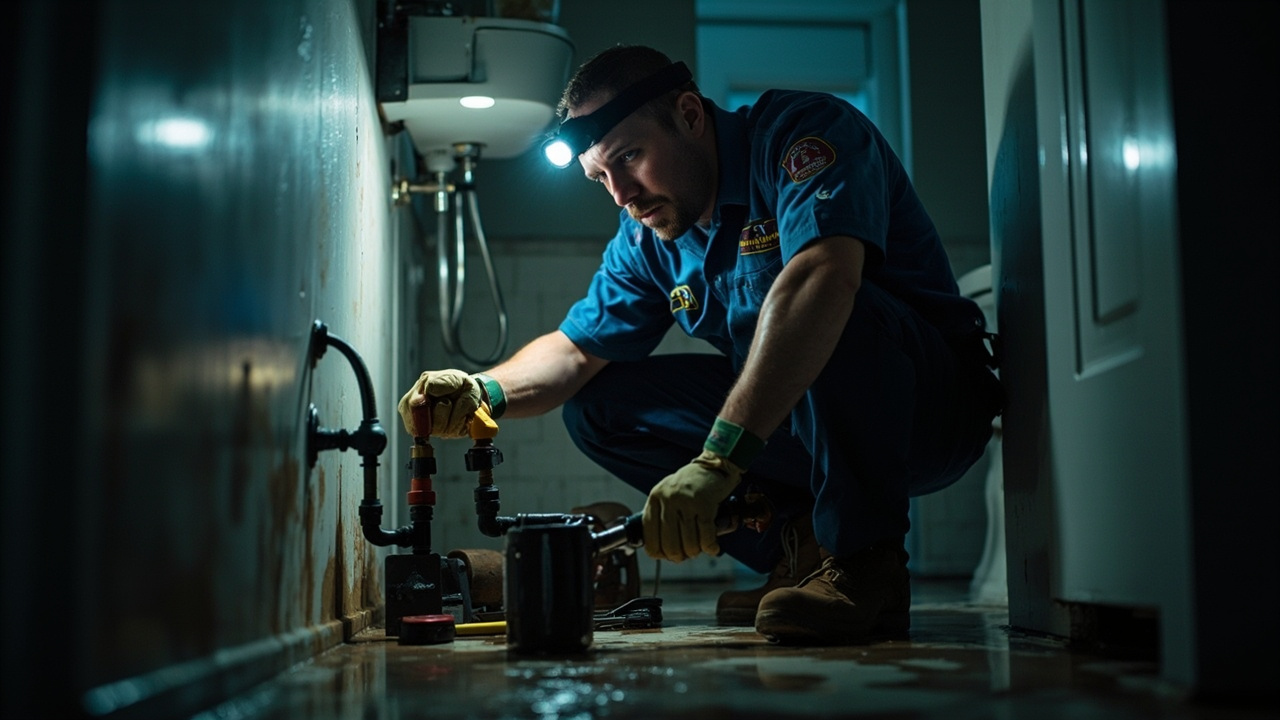
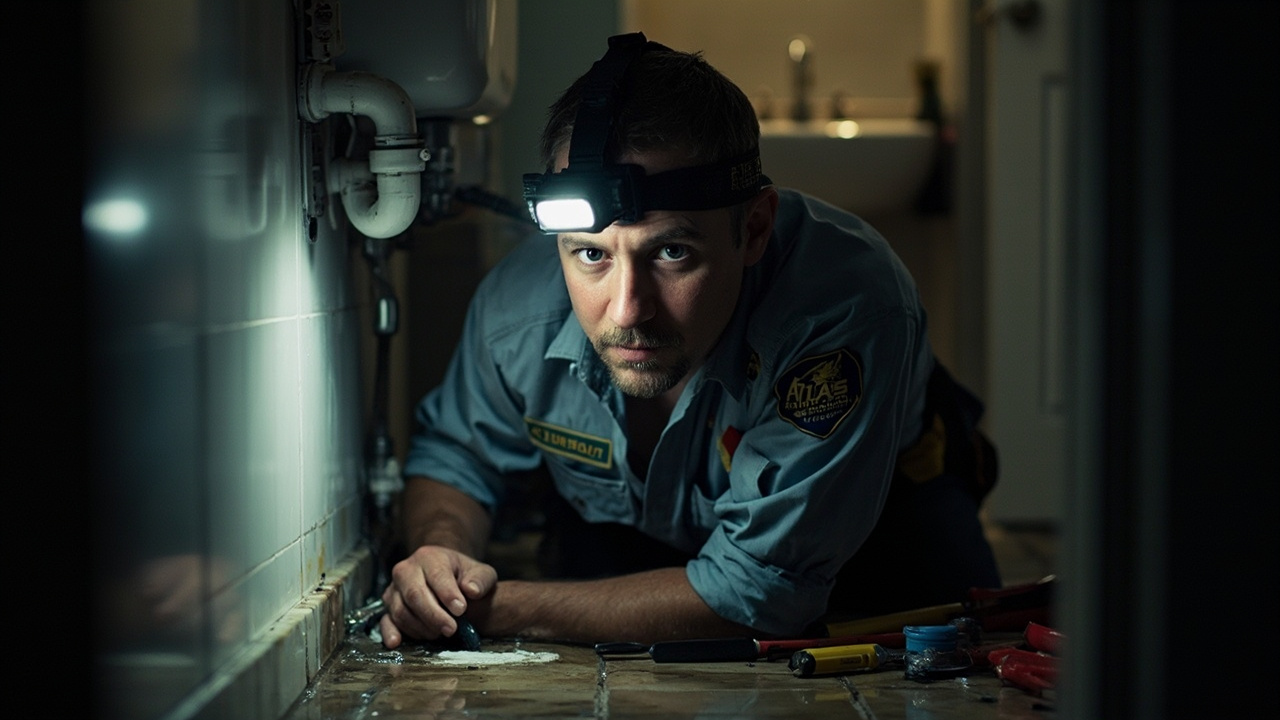
Emergency plumbing repair starts with damage control. Our technicians carry water extraction equipment, pipe clamps, epoxy compounds, and shutoff tools in every truck. When we arrive, the first priority is stopping the water flow. We locate the shutoff valve, isolate the damaged section, and verify no secondary leaks exist.
Once the immediate threat is contained, we diagnose the failure. A burst pipe might result from freezing, corrosion, water hammer, or shifting foundation. A sewer backup might stem from root intrusion, collapsed pipe, or municipal main line issues. We use drain cameras, pressure gauges, and thermal imaging to identify the exact problem location and cause. This matters because temporary fixes fail. A pipe clamp stops the leak tonight, but if foundation movement caused the rupture, the adjacent section will fail next week.
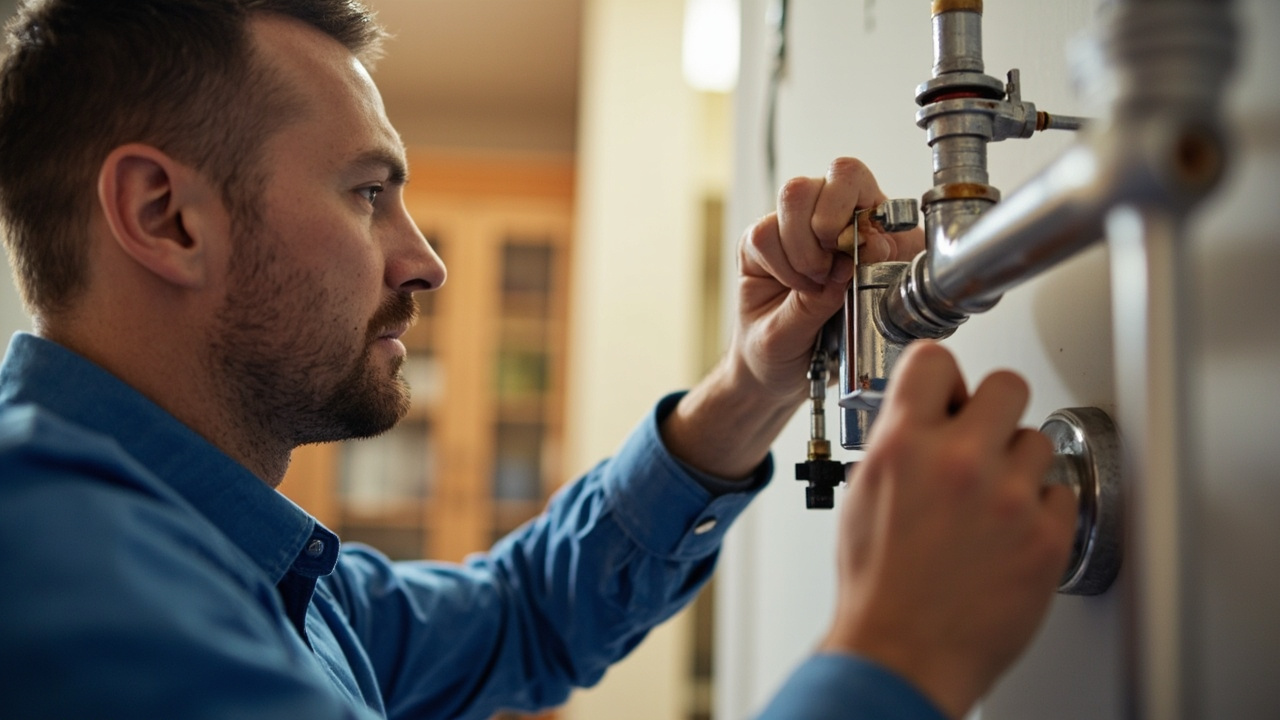
For water line breaks, we cut out the damaged section and install new pipe with proper fittings and expansion joints. For sewer backups, we clear the blockage with mechanical snakes or hydro jetting, then camera the line to confirm full flow restoration. For water heater failures, we assess whether the unit can be repaired or requires replacement, then provide options based on your immediate needs and long-term goals.
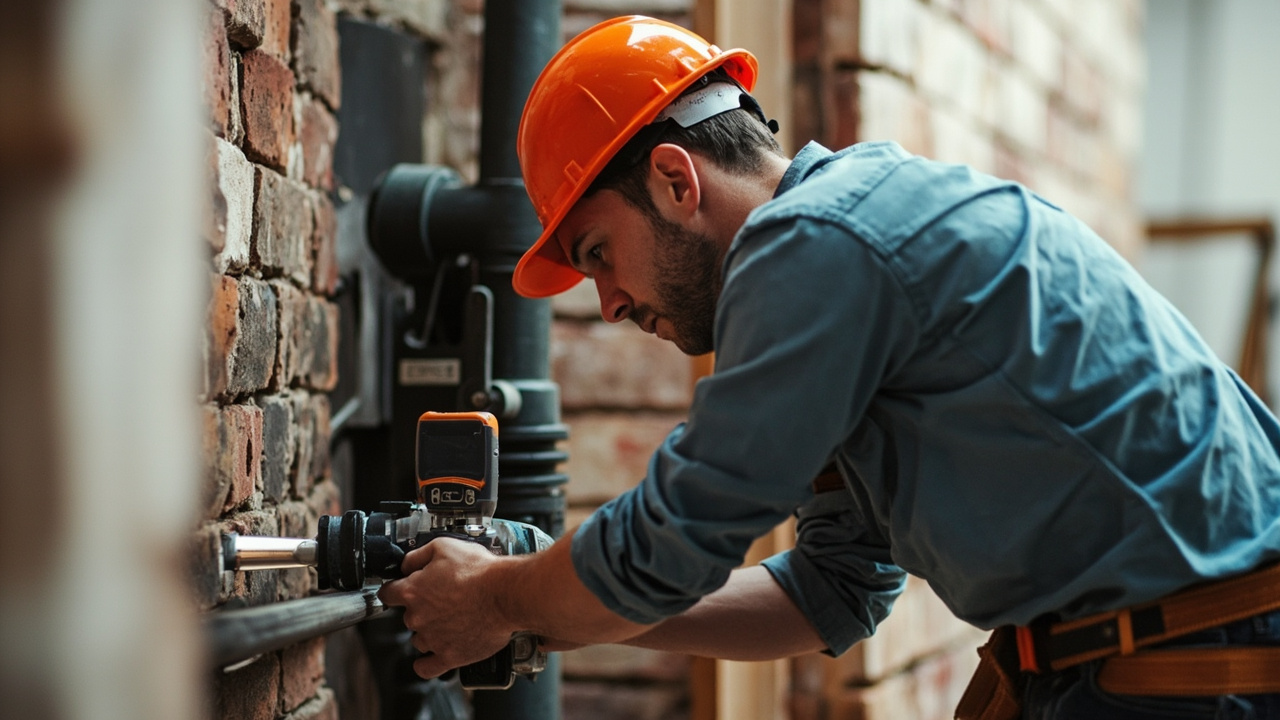
Houston's building codes require specific venting, drainage slopes, and backflow prevention devices. We install every repair to current code standards, not just to get you through the night. After hours plumbing service should not mean substandard work. Our emergency repairs pass inspection because we follow the same protocols for urgent calls as we do for scheduled installations.
We document everything with photos and detailed notes. You get a written summary of what failed, why it failed, what we repaired, and what additional issues we identified that need attention soon.