
Professional Pot Filler Installation in West University Place Houston
Adding a pot filler to your kitchen in West University Place is a significant upgrade that blends utility with luxury. Many homeowners near University Boulevard and Rice Village are opting for these convenient fixtures during high end kitchen renovations in 2026. A pot filler eliminates the need to carry heavy, water filled pots from the sink to the stove. This reduction in physical strain is valuable for active families and home chefs alike. Before you finalize your kitchen layout, you must understand the technical plumbing requirements that ensure a leak free experience in your 77005 home. High end real estate in West University Place demands precision work and adherence to local standards. Generic installations often fail to meet the expectations of luxury kitchens in this area.
Installing a pot filler involves more than just picking a pretty faucet. You are introducing a pressurized water line into a wall where no drainage exists. This requires a level of planning that differs from standard sink installations. Because West U homes often feature custom cabinetry and expensive backsplashes, the margin for error is zero. You need to consider the wall structure, the type of piping, and the long term impact of Houston water quality on the fixture. In the current 2026 market, buyers look for these features, but they also look for signs of professional installation. Poorly executed plumbing can lead to wall damage that compromises the value of your property.
Plumbing Infrastructure and Pipe Routing Requirements
The most critical step in adding a pot filler is the rough in phase. This happens while your walls are open and the studs are exposed. You must run a cold water line directly to the location behind your range or cooktop. Most professional plumbers in Houston prefer using half inch piping for these runs. While some older homes in the area might still have galvanized pipes, you should never connect a new pot filler to aging infrastructure. If your home has older plumbing, you might need a larger update. You can learn about the process in this guide to A Real Look at the Cost of Whole Home Repiping for Memorial Area Houses. For a pot filler, we typically use copper or high quality PEX tubing. Copper remains a favorite for West University remodels because of its rigidity and long term durability.
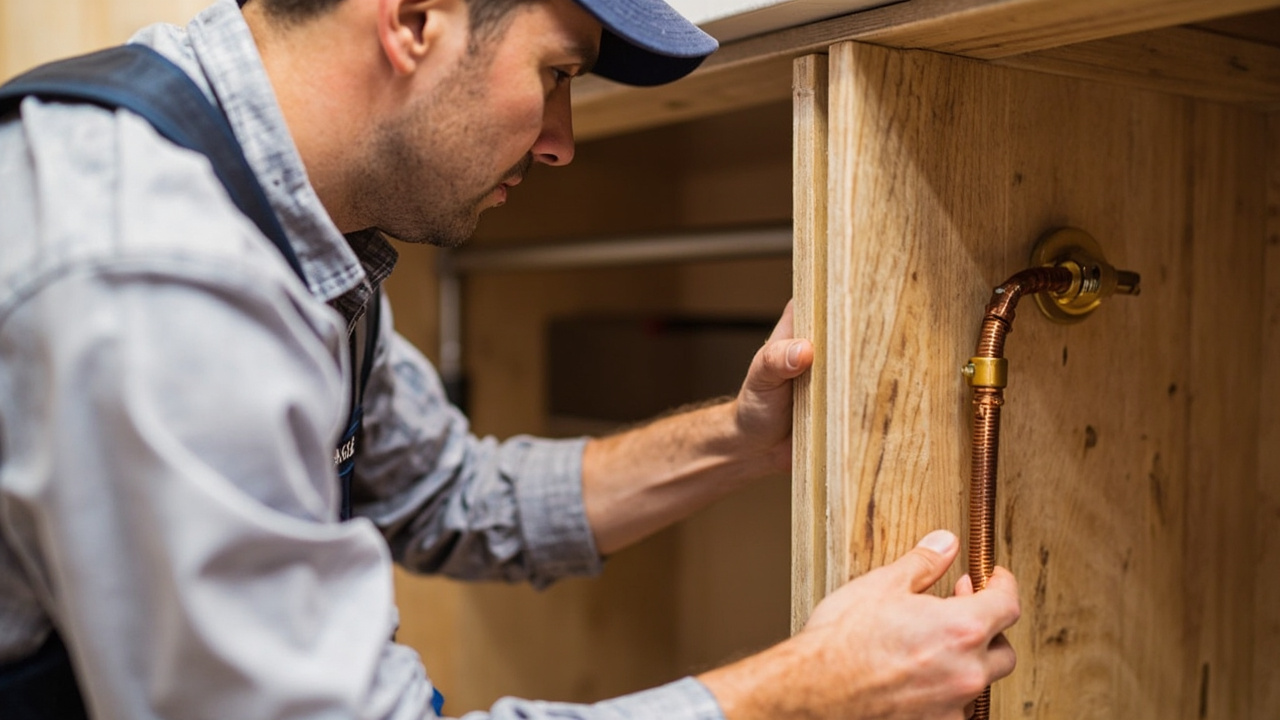
The water line must be secured tightly to the framing. When you extend the swing arm of a pot filler, it creates leverage. If the pipe inside the wall is not braced with a solid wood block, the faucet will wobble or sag over time. This movement can eventually cause a fatigue crack in the joint, leading to a hidden leak behind your new backsplash. We recommend using a brass drop ear elbow screwed directly into a 2×4 blocking piece. This ensures the threaded nipple that connects to the faucet stays perfectly level and stationary. In 2026, we see more homeowners choosing PEX for the main run but transitioning to copper or brass at the terminal point for maximum stability.
Water Quality and Scale Prevention in West University Place
Houston water is known for its mineral content. This hard water can be particularly hard on pot fillers because they often sit idle for periods between uses. When water sits in the pipe, minerals can settle and cause scale buildup inside the delicate valves of a high end faucet. This is similar to the issues discussed in this article about Dealing with Hard Water Scale in Your Sugar Land Pipes and Fixtures. To protect your investment, consider a whole house water filtration or softening system. This prevents the white crusty buildup from clogging the aerator or ruining the ceramic disc cartridges in your pot filler. A clogged pot filler is difficult to repair without risking damage to the surrounding wall or backsplash.
Many West U residents are also upgrading their water heating systems during remodels. While a pot filler only uses cold water, the overall efficiency of your home plumbing depends on modern technology. You might find it useful to see Why Katy Homeowners Choose Tankless Water Heaters for Better Performance when planning your utility upgrades. Ensuring your entire home has balanced pressure and clean water will extend the life of every fixture in your kitchen.
Optimal Mounting Height and Placement Strategy
Placement is where many DIY projects go wrong. The pot filler must be high enough to clear your tallest stockpot but low enough to reach the burners without splashing. Most experts recommend mounting the faucet between 12 and 14 inches above the cooking surface. However, you should measure your specific cookware before the plumber installs the rough in line. If you frequently use a massive 20 quart canning pot, you may need additional clearance. You also need to decide if you want the faucet centered on the range or offset to one side. Offsetting the pot filler allows the arm to fold flat against the wall without interfering with the vent hood or large pans on the back burners.
| Pot Filler Specification | Standard Requirement | Luxury West U Standard |
|---|---|---|
| Pipe Diameter | 1/2 Inch | 1/2 Inch L-Type Copper |
| Mounting Height | 10 to 12 Inches | 12 to 16 Inches (Custom) |
| Flow Rate | 1.5 to 2.5 GPM | 4.0+ GPM (High Flow) |
| Valve Type | Single Shut-off | Dual Ceramic Disc Valves |
The reach of the swing arm is another factor. Most luxury models from brands like Rohl or Newport Brass offer a reach of 20 to 24 inches. In a large West University kitchen with a 48 inch or 60 inch pro style range, a shorter arm might not reach the front burners. This defeats the purpose of the fixture. You should map out the arc of the arm to ensure it does not hit your spice racks or the edges of your custom cabinetry. Precision measurements during the rough in phase prevent costly adjustments once the tile is installed.
Leak Prevention and Secondary Shut off Valves
The biggest fear with a pot filler is a leak. Since there is no drain under the stove, a drip can go unnoticed until it warps your hardwood floors or ruins your custom island cabinetry. In 2026, professional plumbers emphasize the use of dual valve pot fillers. These faucets have two handles. One handle is at the wall and the other is at the end of the spout. You should keep both valves in the off position when the faucet is not in use. This provides two layers of protection against a single failed seal. If one valve begins to drip, the second valve prevents water from escaping until a repair is made.
We also recommend installing an accessible secondary shut off valve in a nearby cabinet. This allows you to cut water to the pot filler specifically without shutting off the main water line to the entire house. If you ever experience an emergency with your kitchen plumbing, having these localized controls is vital. For residents in high end areas like River Oaks or West U, quick access to shut off valves is a standard safety feature. If you ever find yourself in a situation where a leak occurs, you should know How to Find a Reliable 24 Hour Plumber in River Oaks Who Can Get to You Fast to mitigate damage.
Building Codes and Permit Compliance in West University Place
West University Place has its own building department and strict enforcement of plumbing codes. You cannot simply tap into a nearby line without ensuring it meets local volume and pressure standards. The International Association of Plumbing and Mechanical Officials provides guidelines that many local jurisdictions follow. A permit is usually required for any new plumbing line installation in West U. This ensures that the work is inspected for proper pressure testing. We typically test pot filler lines at 100 PSI for at least 15 minutes before the walls are closed. This guarantees that no slow leaks exist in the joints or the drop ear elbow.
Failure to pull a permit can lead to issues when you try to sell your home later. In the 77005 zip code, buyers are savvy and home inspections are thorough. An unpermitted plumbing addition can be a red flag. Working with a licensed master plumber ensures that your project stays compliant with both City of Houston and West University Place specific amendments to the plumbing code. This includes ensuring proper backflow prevention and using materials approved for potable water delivery.
Choosing the Right Materials and Finishes
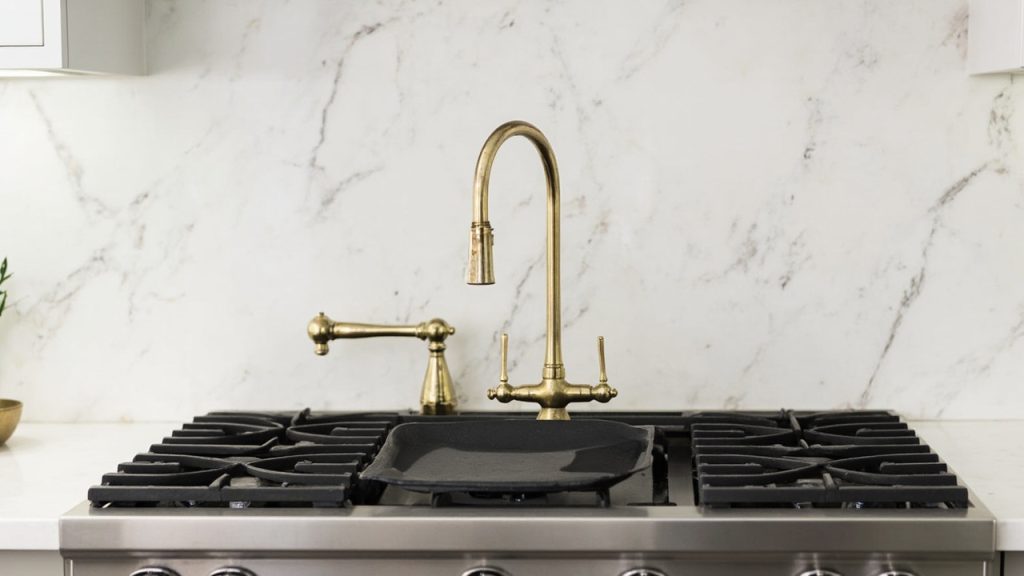
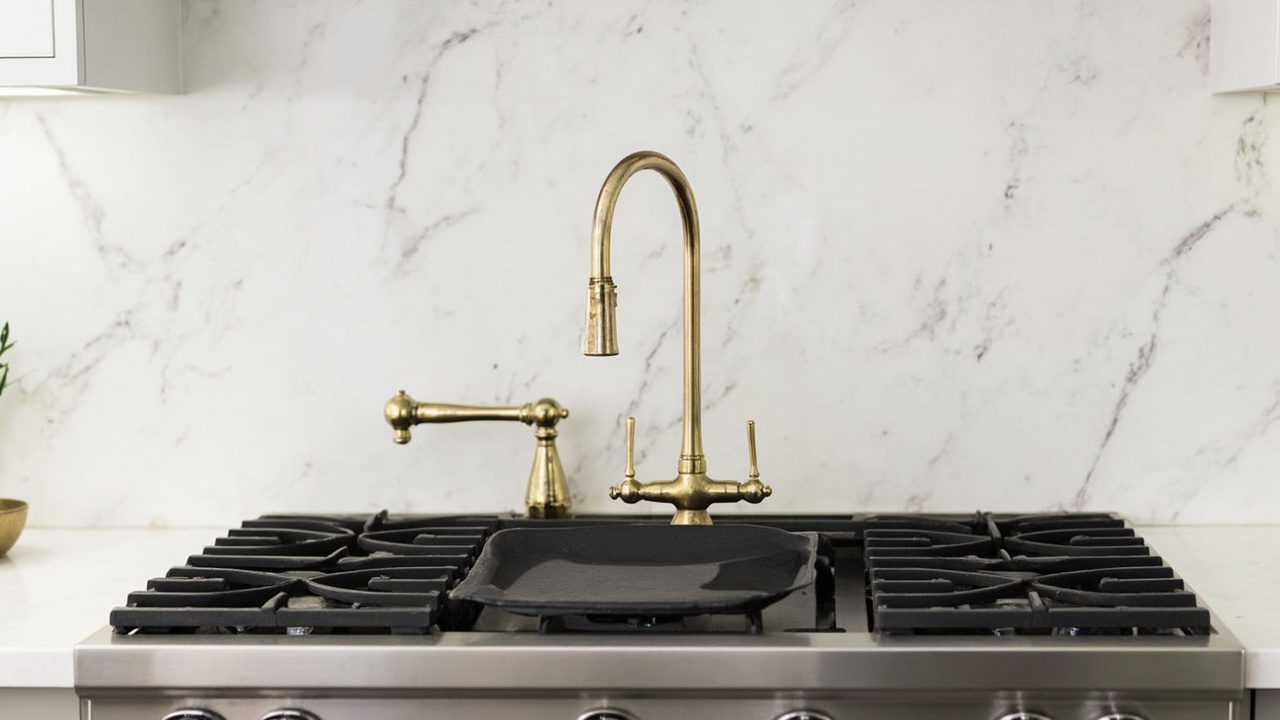
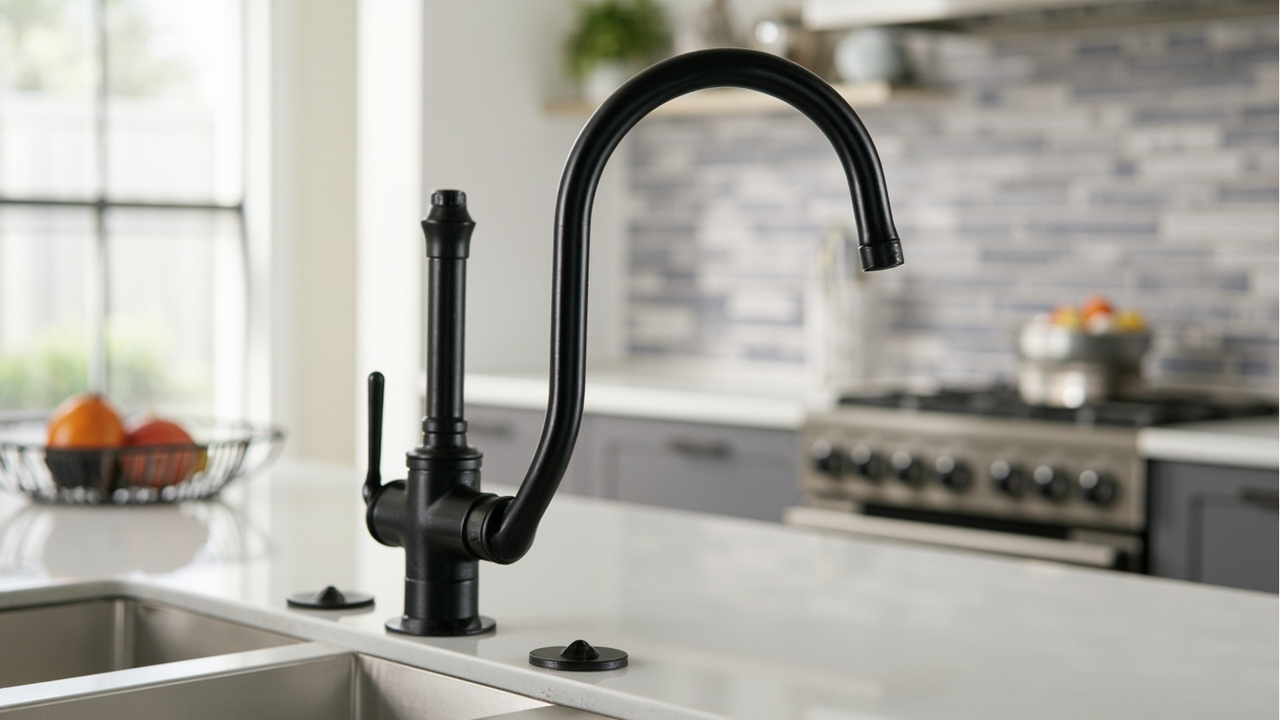
In 2026, the aesthetic of the pot filler is just as important as the function. West University homes often feature classic architectural styles like Georgian or Colonial, but modern interiors are becoming more common. Your pot filler should match the finish of your main kitchen faucet and your cabinet hardware. Popular finishes in Houston currently include unlacquered brass, matte black, and polished nickel. Unlacquered brass is particularly popular because it develops a patina over time, which fits the historic feel of many neighborhoods near Rice University.
- Solid Brass Construction. This is the gold standard for durability and corrosion resistance in the Houston humidity.
- Ceramic Disc Cartridges. These provide a smooth turning action and are less likely to leak than rubber washers.
- Articulated Arms. Ensure the joints move freely without binding, which puts less stress on the wall mount.
- Integral Aerators. A high quality aerator prevents splashing when water hits the bottom of an empty pot.
When selecting a brand, look for manufacturers that offer replaceable parts. While a pot filler is a luxury item, it is also a mechanical device. Eventually, the O rings or cartridges will need service. Brands that have a strong presence in the United States plumbing market are easier to maintain. Avoid ordering generic fixtures from overseas that may not meet North American lead free standards or use non standard thread sizes that make installation difficult for your plumber.
Installation Timeline and Coordination with Other Trades
The installation of a pot filler requires coordination between your plumber, your cabinet maker, and your tile installer. The plumber must install the rough in line before the cabinets or backsplash go in. Then, the tile installer must cut a precise hole in the backsplash material. If the hole is too large, the decorative flange of the pot filler may not cover it. If the hole is too small, the faucet will not sit flush against the wall. This requires constant communication. We often provide a template to the tile professional to ensure a perfect fit.
| Remodel Phase | Action Required | Typical Duration |
|---|---|---|
| Demolition | Identify existing water lines and clear wall space | 1 Day |
| Rough In | Run new cold water line and install blocking | 2 to 4 Hours |
| Backsplash | Tile or stone installation with precision cuts | 2 to 3 Days |
| Trim Out | Final faucet mounting and pressure testing | 1 Hour |
Once the tile is set and grouted, the plumber returns for the trim out. This is the final step where the actual faucet is attached to the threaded nipple. This must be done with care to avoid scratching the new backsplash or the finish of the faucet. We use specialized tools to tighten the fixture without marring the metal. After installation, we flush the line to remove any debris that might have entered the pipes during construction. This prevents the aerator from clogging on the very first use.
The Long Term Value for Your West U Property
A well executed pot filler adds a level of sophistication to a kitchen that few other fixtures can match. In the competitive West University Place real estate market, these details matter. Potential buyers recognize the effort required to plumb a line into a backsplash and see it as a sign of a high quality remodel. It speaks to a kitchen that is designed for serious cooking and entertaining. While the cost of installation is higher than a standard faucet due to the wall work involved, the functional benefits are felt every time you prepare a meal.
Remember that kitchen plumbing is part of a larger system. If you are renovating an older home, you should also be aware of potential issues with your drainage. Issues in other parts of Houston, such as What to Do When Your Sewer Line Starts Backing Up in The Heights, serve as a reminder that a beautiful kitchen needs a functional waste system too. Always ensure your renovation includes an inspection of the entire plumbing stack to avoid future headaches.
Your kitchen remodel is an investment in your lifestyle and your home value. By focusing on the technical details of your pot filler installation, you ensure that this luxury addition remains a source of convenience rather than a source of stress. Consult with a professional who understands the specific needs of West University Place homes and the challenges of the local water supply. Proper planning today leads to a flawless kitchen performance for years to come.
If you are ready to upgrade your West University kitchen with a professional pot filler installation, contact a local plumbing expert who knows the 77005 area. We can help you navigate the technical requirements and ensure your remodel is a success from the rough in to the final polish.