
Professional Commercial Grease Trap Maintenance in Houston, TX
Operating a restaurant in Midtown Houston requires more than just a great menu and a prime location near Bagby Park. Success in the 2026 Houston culinary scene depends on maintaining a kitchen that meets the rigorous standards of the City of Houston Health Department. For business owners in the dense urban core of Midtown, grease trap maintenance is a critical operational requirement that prevents sewage overflows and costly regulatory fines. Failing to manage fats, oils, and grease, commonly known as FOG, can lead to immediate closures and damage to your reputation in a neighborhood where competition is fierce.
Midtown presents unique challenges for commercial plumbing. Many buildings in this district are historic or sit on aging infrastructure that struggles with the demands of modern high volume kitchens. The heavy clay soil in the Houston metro area constantly shifts, which can put pressure on outdoor grease interceptors and cause cracks in the concrete walls. When these systems fail, the result is often a backup that affects the entire block. To avoid these issues, you must understand the technical requirements and the current 2026 legal mandates for grease management.
Staying Compliant with Houston FOG Program Requirements
The City of Houston maintains a strict FOG ordinance designed to protect the municipal sewer system. Every food service establishment must have a valid grease permit and follow a documented cleaning schedule. Current 2026 regulations require most establishments to pump their grease traps at least once every 90 days. Some high volume kitchens on the light rail corridor may need monthly service to prevent the accumulation of grease from exceeding the 25 percent rule.
The 25 percent rule is the industry standard used by city inspectors. If the combined depth of the floating grease and the settled solids at the bottom of the tank exceeds one quarter of the total depth of the trap, the system is considered out of compliance. Inspectors use a specialized tool called a Sludge Judge to measure these levels. If you fail an inspection, the city can issue citations that start at several hundred dollars and increase with subsequent violations.
Maintaining your waste manifest is the most important part of compliance. Every time a professional pumper services your trap, they must provide a manifest that documents the amount of waste removed and the disposal site. You are required to keep these records on the premises for five years. During a surprise inspection, the health department will ask to see these documents first. If you cannot produce them, you face the same penalties as a physical overflow.
Identifying the Difference Between Interceptors and Traps
Not all grease management systems are the same. Understanding which one you have determines your maintenance costs and the technical steps required for cleaning. Small restaurants and coffee shops often use indoor grease traps located under the sink or recessed in the floor. These typically hold between 20 and 50 gallons of waste. While they are easier to access, they fill up quickly and require more frequent attention to prevent foul odors from reaching the dining area.
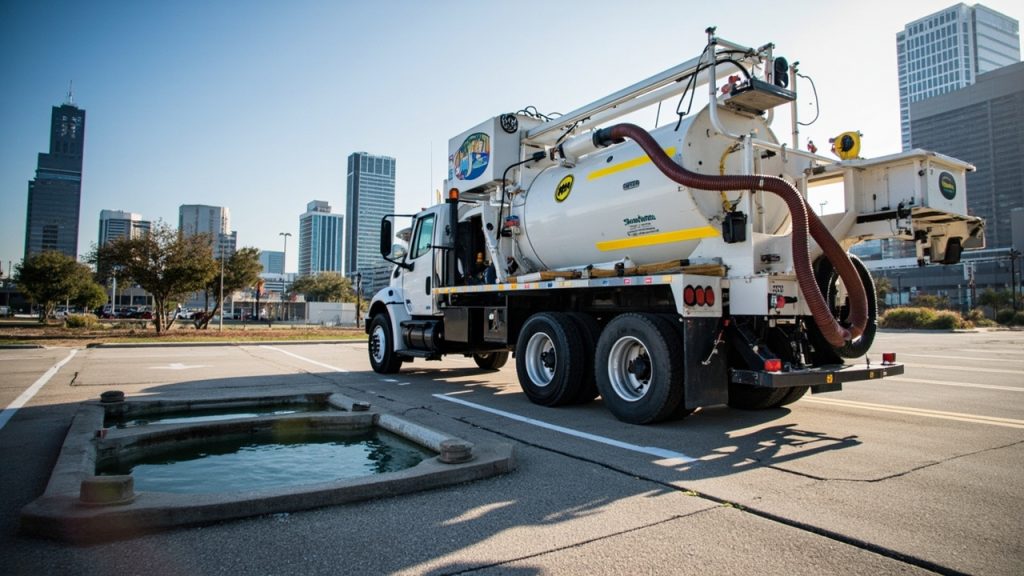
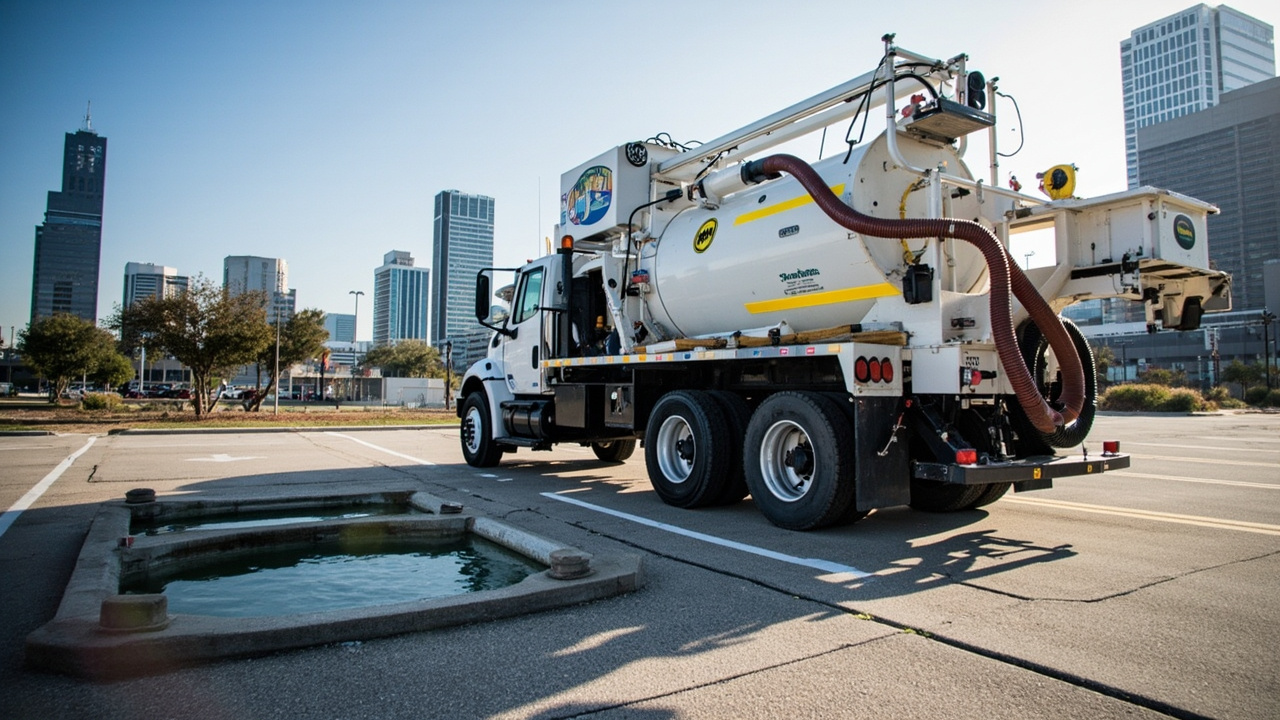
Larger establishments and full service kitchens in Midtown generally use outdoor grease interceptors. These are massive tanks buried underground, often in the alley or parking lot, with capacities ranging from 500 to 2,000 gallons. These systems use a series of baffle walls to slow down the flow of wastewater, allowing the grease to float to the top and solids to sink to the bottom. Because of their size and complexity, these require heavy vacuum trucks and specialized equipment for proper cleaning.
Comparison of Grease Management Systems
| System Type | Typical Capacity | Location | Cleaning Method |
|---|---|---|---|
| Indoor Grease Trap | 20 to 100 Gallons | Kitchen floor or under sink | Manual pumping and scraping |
| Outdoor Interceptor | 500 to 2,000 Gallons | Underground exterior parking | Vacuum truck extraction |
| Hydro-mechanical Trap | 50 to 150 Gallons | Floor mounted near equipment | Mechanical skimming or pumping |
Our Comprehensive Houston Grease Trap Cleaning Process
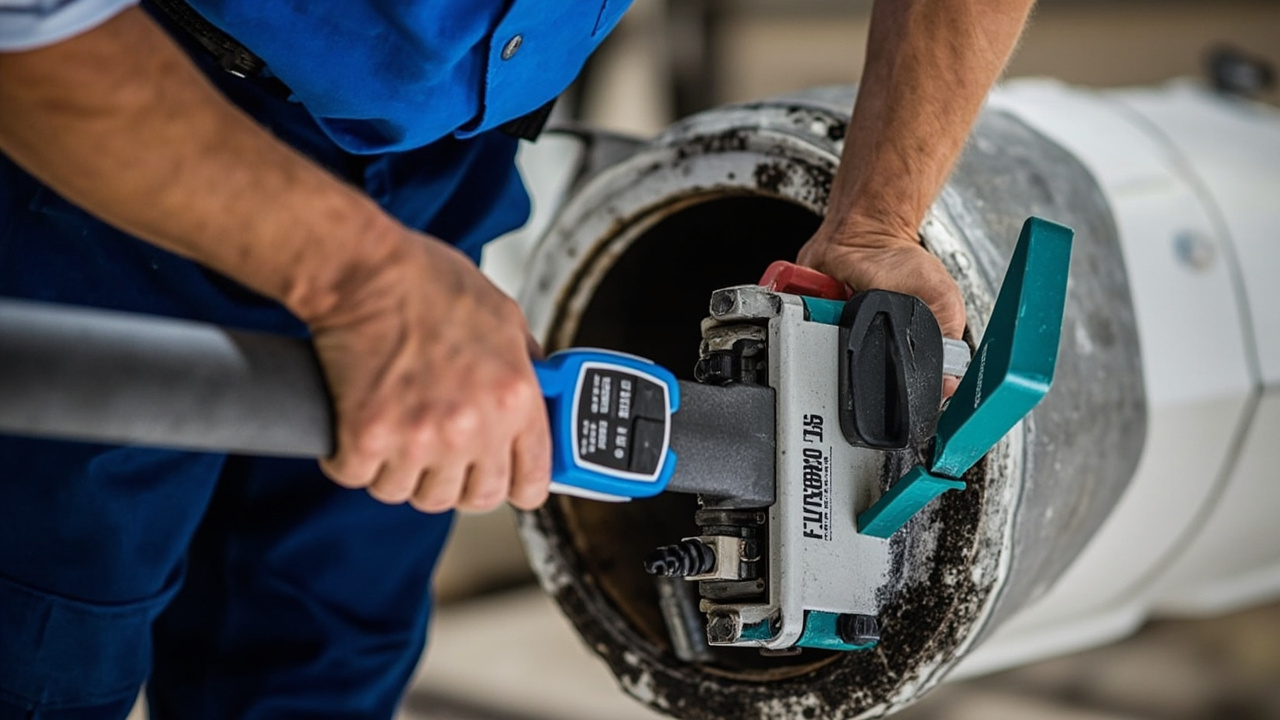
A professional cleaning is more than just sucking out the liquid. If a service provider only removes the top layer of grease, they are leaving behind the heavy solids that eventually clog your outlet pipes. A thorough process starts with the complete evacuation of both the primary and secondary compartments of the tank. This allows the technician to inspect the structural integrity of the system.
Once the tank is empty, we scrape the side walls and the baffle walls to remove hardened grease. This buildup is often where the worst odors originate. We also check the inlet and outlet pipes for any obstructions. In many Midtown buildings, the kitchen lines are prone to scale buildup from hard water. This is a common issue across the region, much like the hard water scale in Sugar Land pipes that restricts flow and causes premature pipe failure.
After scraping, we clean the sample well. The sample well is a separate access point where city inspectors take water samples to test the effluent quality. If this area is dirty, your samples will fail even if your main tank is clean. We finish the process by verifying that the baffle is properly seated and the heavy iron lids are secured. This prevents accidental falls and keeps pests out of your plumbing system.
Signs Your Commercial Kitchen Needs Grease Trap Pumping
You should never wait for an inspection or a backup to schedule service. There are several warning signs that indicate your system is reaching its capacity. The most obvious sign is a slow drain in the three compartment sink or the floor drains. If water takes longer than usual to disappear, grease is likely restricting the flow in the secondary lines or the trap itself.
Foul odors are another major indicator. As grease sits in the trap, it begins to decompose and release hydrogen sulfide gas. This smell can permeate the kitchen and eventually reach your customers. If you notice a rotten egg smell near your sinks, it is time for a pump out. Ignoring these smells can lead to a health department complaint from a customer or a neighboring business.
Visible grease in the sample well is a critical warning. If you open the sample well and see a layer of grease, it means the trap is completely full and is now bypassing the baffle system. This grease is currently entering the public sewer system, which is a major violation. At this stage, a backup is imminent. You may experience a situation similar to when a sewer line starts backing up in The Heights, where the resulting mess requires professional remediation and deep cleaning of the kitchen floors.
Why Houston Business Owners Trust Professional Maintenance
Using a licensed and insured plumbing professional is the only way to protect your business. Handymen or unlicensed pumpers often lack the equipment to handle the heavy sludge at the bottom of the tank. They might also dispose of the waste illegally, which leaves you legally liable for any environmental damage. In 2026, the Texas Commission on Environmental Quality, or TCEQ, has increased enforcement on waste haulers, making the manifest system even more critical for business owners.
Professional plumbers also identify secondary issues during the cleaning process. We can spot cracks in your pipes or failing seals that would otherwise lead to a flood. For restaurants operating in older Midtown structures, we often find that the original cast iron lines are corroded. In these cases, we might discuss options like a whole home repiping or commercial line replacement to ensure the kitchen stays operational during the busy weekend rush.
Maintenance Checklist for Restaurant Managers
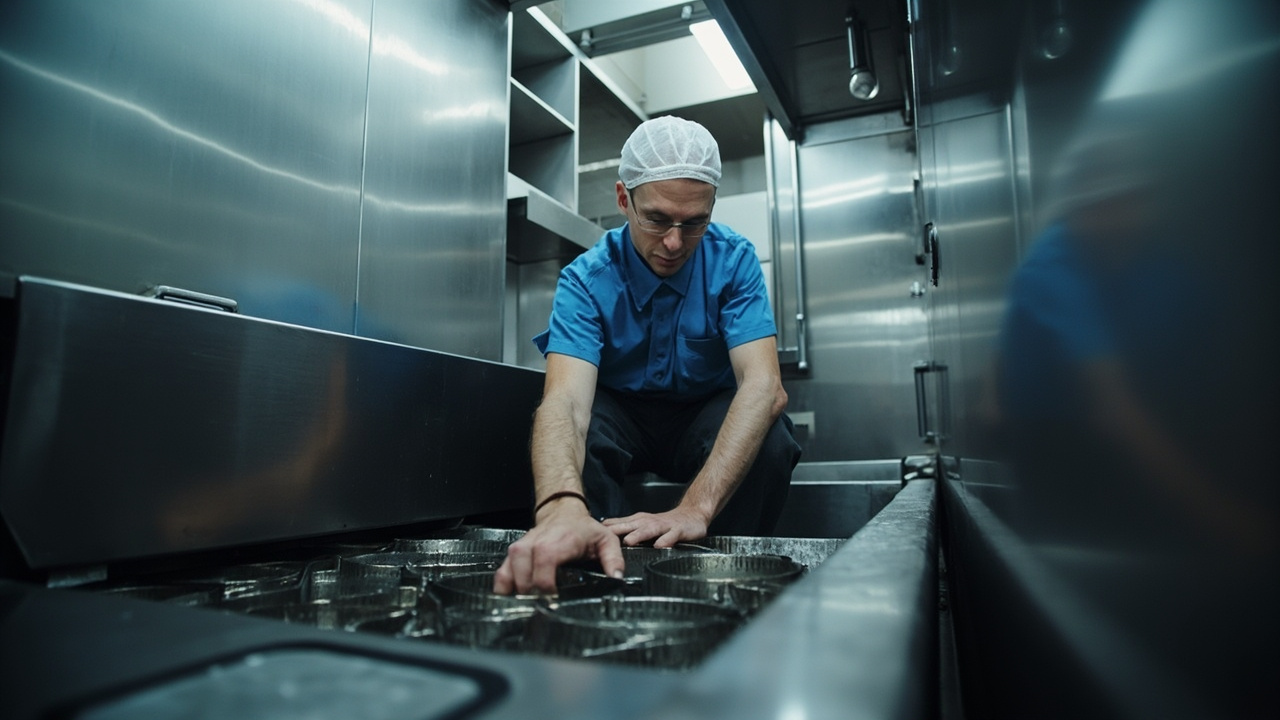
- Check the grease levels weekly using a dipstick to track accumulation rates.
- Train staff to scrape all food scraps into the trash rather than washing them down the drain.
- Ensure all floor drains have grates to prevent solid objects from entering the trap.
- Verify that your hot water heater is providing enough heat to liquefy grease for transport to the trap.
- Keep the current waste manifest in a dedicated binder near the kitchen office for easy access.
- Schedule hydro-jetting of the internal kitchen lines twice a year to remove wall-cling grease.
Impact of Houston Weather on Grease Management
The climate in Houston plays a significant role in how your grease interceptor performs. During the hot and humid summer months of 2026, grease in outdoor tanks remains more liquid, but the biological activity increases. This leads to faster decomposition and stronger odors. Conversely, during a winter freeze, the grease can solidify quickly in the pipes before it even reaches the trap, leading to immediate blockages.
Heavy rain and hurricane season also pose a threat. If your interceptor lids are not properly sealed, rainwater can flood the tank and wash the grease out into the street. This creates an environmental hazard and will result in a heavy fine from the city. We recommend inspecting the seals on your outdoor lids before the rainy season begins to ensure they are watertight. If you find your kitchen flooded after a storm, you may need to find a reliable 24 hour plumber in River Oaks or Midtown who can respond immediately to pump the system and clear the lines.
Recommended Maintenance Frequencies by Establishment Type
| Establishment Type | Recommended Pumping Frequency | Key Maintenance Focus |
|---|---|---|
| Fast Food Burgers and Fries | 30 to 45 Days | Heavy sediment and solid grease removal |
| Full Service Italian or Mexican | 60 Days | Baffle inspection and line jetting |
| Coffee Shop or Bakery | 90 Days | Dairy solids and sugar buildup management |
| Fine Dining and Seafood | 90 Days | Odor control and sample well cleaning |
Avoiding Common Mistakes in Grease Management
Many restaurant owners try to save money by using enzymes or chemical additives that claim to dissolve grease. The City of Houston FOG ordinance specifically prohibits the use of these chemicals. Enzymes do not remove the grease; they simply break it down into smaller particles that travel further into the municipal sewer line before re-solidifying. This causes massive blockages downstream and can lead to the city tracing the clog back to your kitchen.
Another mistake is neglecting the hot water supply. If your dishwashers are not reaching the required temperatures, grease will solidify in the pipes before it reaches the trap. For kitchens needing a constant and reliable hot water supply, some managers have transitioned to tankless water heaters for better performance and energy efficiency. These systems ensure that grease stays in a liquid state long enough to reach the interceptor where it can be properly captured.
Finally, never allow staff to pour used fryer oil down the drain. This oil should be collected in a separate rendering tank for recycling. The grease trap is only designed to handle the residual grease from plate washing and floor mopping. Dumping bulk oil will overwhelm the system instantly and lead to a physical backup that shuts down your kitchen for hours or days.
Maintaining a clean and compliant grease trap is a fundamental part of running a successful restaurant in Midtown Houston. By following a strict 90 day pumping schedule and keeping accurate records, you can avoid the stress of city inspections and the high costs of emergency plumbing repairs. If you notice slow drains or foul odors in your kitchen, contact a commercial plumbing expert to evaluate your system and ensure you are meeting all 2026 local regulations.