
Living in the Houston Museum District means enjoying some of the most beautiful historic architecture in Texas. From the stately homes near Rice University to the classic bungalows in Montrose, these properties offer a character that modern builds cannot replicate. This historical charm often hides a significant structural liability beneath the concrete slab. Most homes built between the 1920s and the 1960s rely on cast iron for their main sewer lines. By 2026, many of these systems have exceeded their natural lifespan. Identifying if your home still uses these vintage pipes is a critical step in preventing catastrophic property damage and high repair costs.
The Current State of Museum District Plumbing Infrastructure
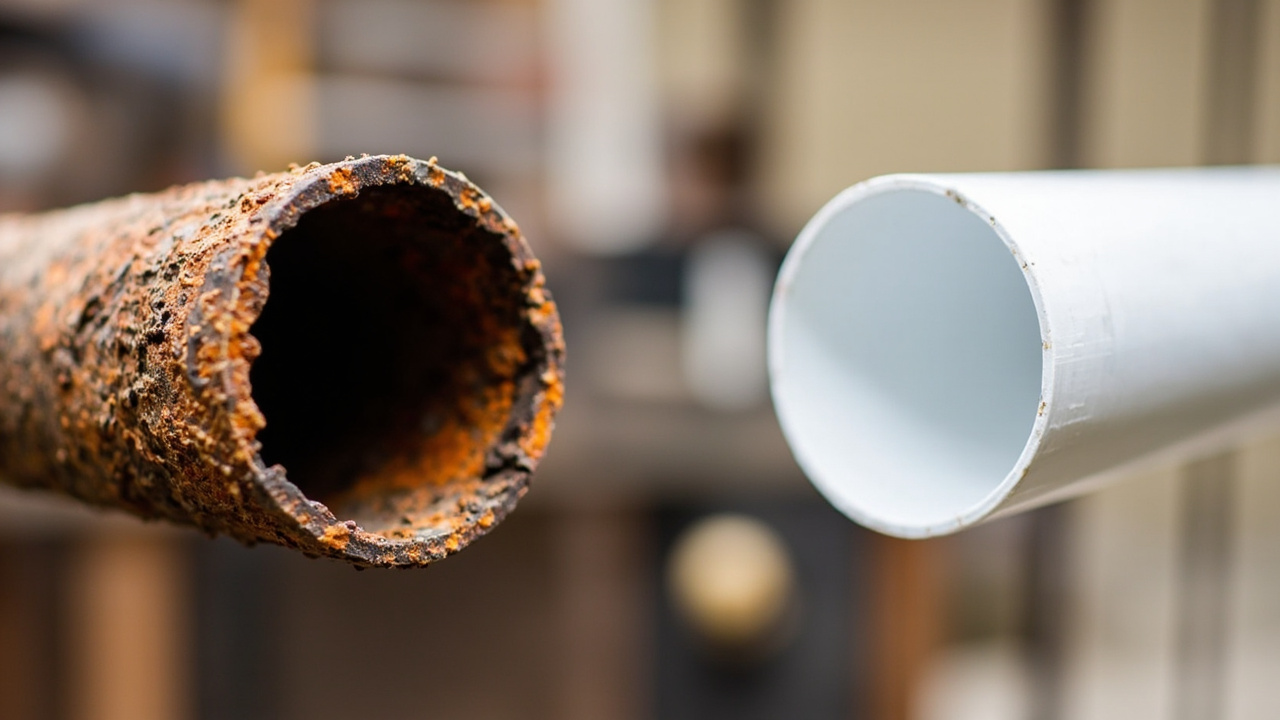
Cast iron was the standard material for residential drainage for decades because of its strength and fire resistance. These pipes were never meant to last forever. In the 2026 Houston market, we see the average lifespan of these pipes topping out at roughly 60 years. When you consider that many homes in zip codes like 77004 and 77005 were constructed over 75 years ago, the math becomes clear. These pipes are currently failing at an accelerated rate across the Museum District. The metallurgical structure of the iron undergoes a process called graphitization. This means the iron starts to lose its structural integrity while appearing solid from the outside. The pipe becomes brittle and prone to collapse under the pressure of the surrounding soil.
The geography of the Museum District adds another layer of difficulty. The proximity to Hermann Park and the massive live oak trees on Bissonnet Street means that root intrusion is a constant threat. Roots seek out the moisture and nutrients found in sewer lines. Even a tiny hairline crack in a cast iron joint allows a root to enter. Once inside, the root expands, causing the iron to split or causing massive blockages that lead to raw sewage backups. If you find yourself in an emergency because of a total blockage, you might need to find a reliable 24 hour plumber in River Oaks who understands how these historic neighborhood systems function.

Visible Indicators That Your Under Slab Pipes Are Failing
You do not always need to dig a hole to know your pipes are in trouble. Your home often provides early warning signs that the cast iron is deteriorating. One common symptom is the presence of persistent slow drains throughout the house. If multiple fixtures like your kitchen sink, bathtub, and laundry line all drain slowly at the same time, the issue is likely in the main line. This is different from a simple clog in a single p-trap. It suggests that the interior of the cast iron has developed heavy scale buildup or that the bottom of the pipe has worn away entirely. This wear creates a rough surface that catches debris and slows down the flow of waste.
Sewer gas odors are another red flag. If you notice a smell of rotten eggs or sulfur in your bathrooms or near the foundation, it means the airtight seal of your sewer system is compromised. These gases can escape through cracks in the iron or through sections where the pipe has completely rusted through. In 2026, we know that prolonged exposure to these gases is a health concern for residents. Any consistent odor should be treated as a sign of a structural breach in the plumbing. Sewer line issues are common across Houston, much like sewer line backups in The Heights, where the aging infrastructure faces similar challenges.
Foundation Issues and Potholes
The Museum District sits on expansive clay soil that is notorious for shifting. When a cast iron pipe leaks under a slab, it saturates this clay. The clay expands and puts upward pressure on your foundation. You might notice new cracks in your drywall or doors that suddenly fail to close properly. In some cases, a significant leak can wash away the soil under your yard or driveway, creating localized sinkholes or soft spots. These issues often go unnoticed until the damage is severe, making regular inspections vital for historic property owners.
| Feature | Cast Iron (Original) | Schedule 40 PVC (Modern) |
|---|---|---|
| Average Lifespan | 50 to 60 Years | 100+ Years |
| Corrosion Resistance | Low (Prone to Rust) | High (Impervious to Chemicals) |
| Root Intrusion Risk | High (Joint Failure) | Low (Glued Connections) |
| Flow Efficiency | Poor (Scale Buildup) | Excellent (Smooth Walls) |
Technical Methods for Modern Pipe Testing
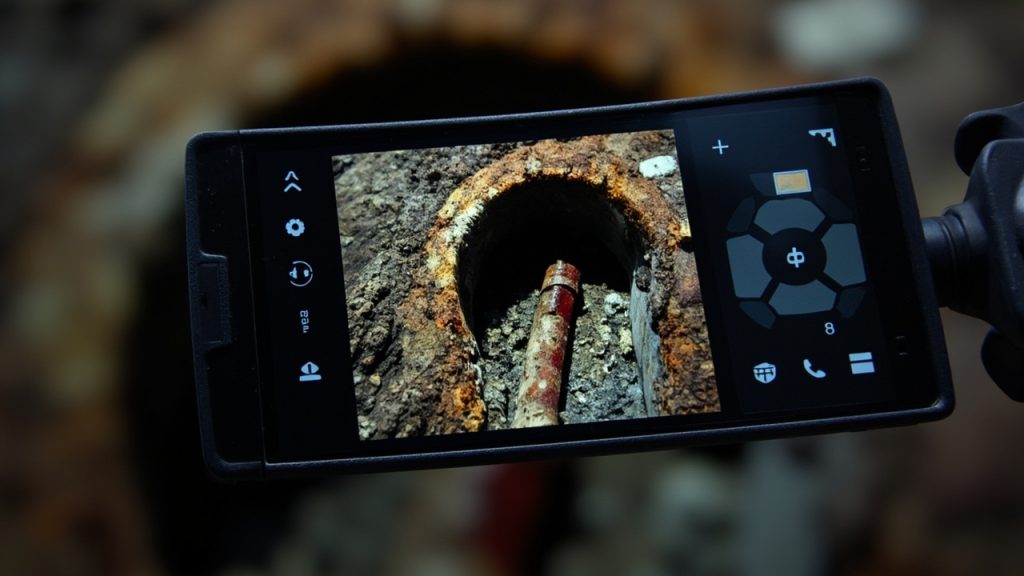
Identifying the material of your pipes is only the first step. You also need to know their current condition. Licensed plumbers use specific diagnostic tools to assess the health of your system without tearing up your flooring. The most common method is a video camera inspection. A high-definition waterproof camera is fed through a cleanout or a roof vent to provide a live feed of the pipe interior. In 2026, these cameras offer enough clarity to spot hairline fractures and internal channeling. We can see exactly where the iron has thinned out and where roots have managed to penetrate the joints.
A hydrostatic pressure test provides even more certainty. This test involves plugging the sewer line at the perimeter of the home and filling the entire system with water. If the water level in a test tee or a toilet flange drops, it confirms that there is a leak somewhere under the slab. This is a standard procedure during real estate transactions in the Museum District. Buyers want to ensure they are not inheriting a massive repair bill. For those looking at long-term fixes and budgeting, it is helpful to look at the whole home repiping for Memorial area houses to see how these costs scale with different property sizes.
The Effect of Local Soil on Your Plumbing
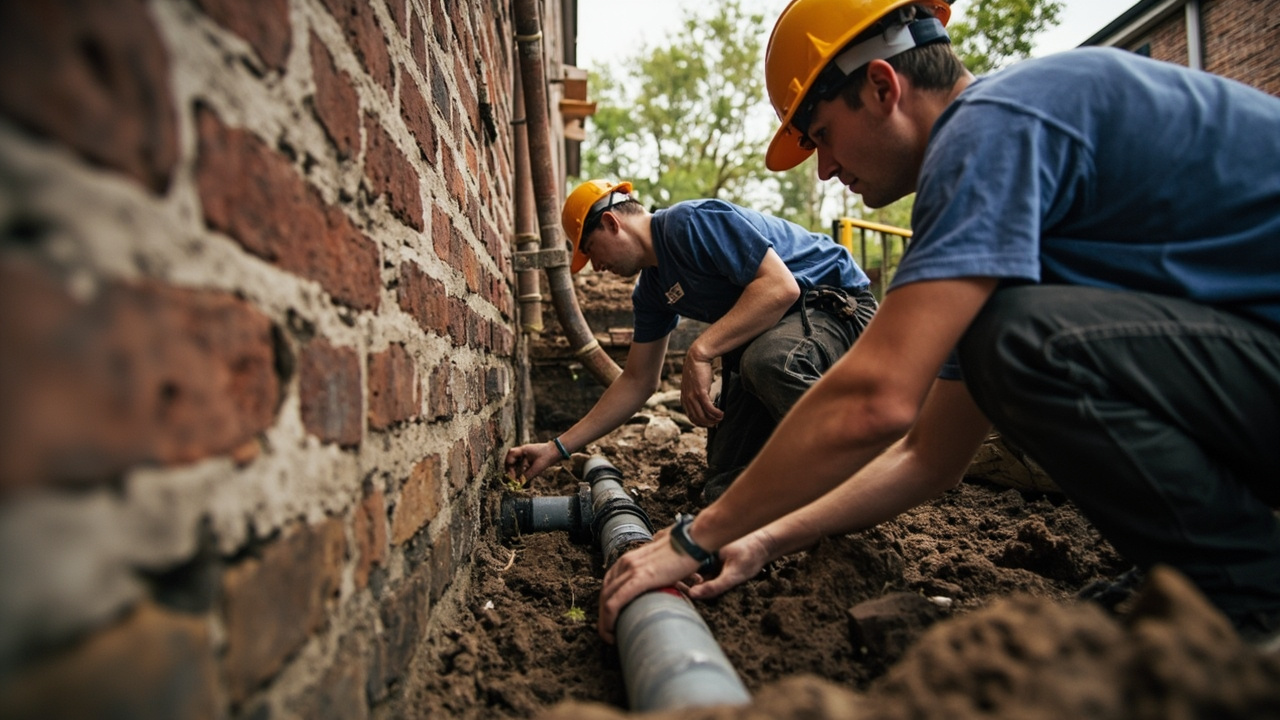
Houston soil is unique because of its high concentration of Montmorillonite clay. This clay is highly reactive to moisture levels. During the hot Houston summers of 2026, the soil shrinks away from the pipes. When the rainy season arrives, the soil swells with immense force. This constant movement is the enemy of rigid cast iron. While PVC has a small amount of flexibility to handle these shifts, cast iron simply snaps. This is why we see so many slab leaks in older neighborhoods. The weight of the house combined with the movement of the clay creates a shearing force that the 1940s-era iron cannot withstand.
Additionally, the mineral content of our water can play a role in internal pipe health. While most residents think of external factors, the internal chemical reaction between the waste and the metal causes the pipe to flake away. This is a common issue in our region, much like the hard water scale in Sugar Land pipes that affects modern fixtures. Over decades, this internal corrosion reduces a four-inch pipe to a two-inch opening, making backups inevitable.
Professional Tunneling vs Slab Penetration
When a cast iron system fails, you have two primary options for replacement. The first is traditional slab penetration. This involves jackhammering through your hardwood or tile floors to reach the pipes. In a historic Museum District home, this is often a dealbreaker. The original materials are impossible to replace, and the mess is substantial. The second and more modern option for 2026 is under-slab tunneling. This process involves digging a series of tunnels beneath your home to access the plumbing from the outside.
- Tunneling preserves your interior flooring and keeps the mess outside the house.
- Residents can often stay in the home while the work is being performed.
- Tunneling allows for a complete replacement of the old iron with Schedule 40 PVC.
- This method follows current City of Houston building codes for structural support.
Tunneling is a specialized skill that requires a deep understanding of soil mechanics. The tunnels must be backfilled correctly using a process called mud-pumping. This ensures that the foundation remains supported after the new pipes are in place. The City of Houston Building Code requires strict inspections at multiple stages of this process to ensure the safety of the residence. Failing to follow these 2026 standards can result in foundation settlement and future plumbing failures.
| Repair Method | Excavation Time | Installation Time | Interior Cleanup Required |
|---|---|---|---|
| Slab Breakout | 2 to 3 Days | 2 to 4 Days | Extensive |
| Under-Slab Tunneling | 3 to 5 Days | 2 to 3 Days | Minimal |
| Pipe Lining (CIPP) | 1 Day | 1 to 2 Days | None |
Why Pipe Lining is Not Always the Answer
Cured-in-place pipe lining (CIPP) has become a popular topic in the plumbing industry. It involves blowing an epoxy-soaked liner into the existing cast iron. While this sounds easier than digging, it is not always suitable for Houston clay. If the bottom of your cast iron pipe is completely missing, there is nothing for the liner to adhere to. The liner has no structural strength of its own. It relies on the host pipe for support. In many Museum District homes, the host pipe is too far gone for lining to be a permanent solution. For a house that you plan to own for the next twenty years, a full replacement with PVC is usually the better investment.
Planning for a Complete Pipe System Overhaul
If your testing confirms that your cast iron is failing, you need a clear plan. Start by checking with the Texas State Board of Plumbing Examiners to ensure your chosen contractor holds a current Master Plumber license. In 2026, the regulations for under-slab work are more stringent than ever. You will need a permit from the city, and the work must be inspected by a municipal official before any backfilling occurs. This protects you from substandard work that could lead to future slab leaks.
Modern plumbing systems offer a level of reliability that original builders could only dream of. By replacing your aging cast iron with Schedule 40 PVC and potentially upgrading to modern appliances, you significantly increase the value of your Museum District home. Some homeowners also take this opportunity to transition to newer technology, such as tankless water heaters for better performance, which can be easily integrated into a new plumbing layout. These systems provide endless hot water and take up much less space than traditional tanks.
The Museum District is a neighborhood that deserves preservation. Protecting your home from the inside out starts with the pipes you cannot see. If you live in an older property on streets like South Main or Montrose Boulevard, taking the time to inspect your cast iron is the most responsible thing you can do as a homeowner. Do not wait for a sewage backup to occur before you take action. Modern diagnostics make it easy to see exactly what is happening under your slab, giving you the information you need to make an informed decision about your property’s future.
If you suspect your pipes are failing or if you are planning a major renovation, contact a local plumbing professional today. We can perform a full camera scope of your lines and provide a detailed report on the health of your cast iron system. Understanding the state of your infrastructure is the only way to avoid the stress and expense of a sudden plumbing failure in your historic Houston home.