
ADU Plumbing Requirements in Houston (A Complete Guide for Homeowners)
Building an accessory dwelling unit (ADU) or a guest house in the Third Ward area of Houston presents unique opportunities and specific technical challenges in 2026. This neighborhood (situated near Texas Southern University and the University of Houston) has seen a major shift toward high density living. Adding a secondary dwelling means you must follow the latest standards set by the City of Houston and the Texas State Board of Plumbing Examiners. Proper planning for water lines and sewer connections ensures your project stays on schedule and meets all 2026 safety codes. You should start by understanding the current infrastructure in this historic part of the city.
Third Ward properties often feature older utility lines that may not support the additional load of a new guest house. When you plan your ADU (you might call it a granny flat or a garage apartment) the plumbing system is one of the most expensive and vital components. You must decide whether to tie into the existing plumbing of the main house or run entirely new lines to the city main. This decision impacts your budget and your long term maintenance needs. If you are also managing properties in other areas (you might need to know how to find a reliable 24 hour plumber in River Oaks who can get to you fast for separate issues) you know that every neighborhood has different demands.

Connecting to the Houston sewer system
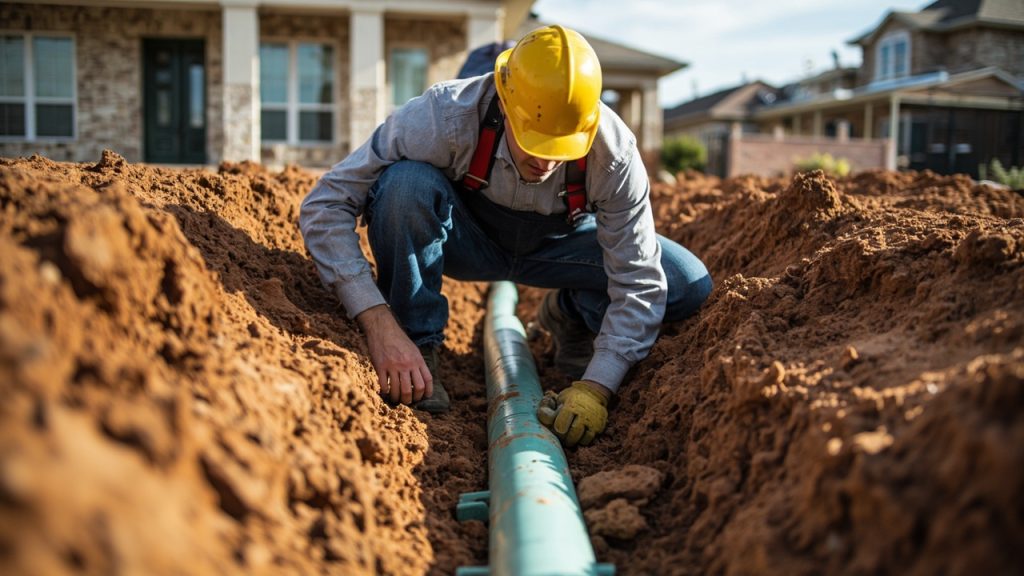
The first major hurdle for a Third Ward ADU is the sanitary sewer connection. In 2026 (the City of Houston updated several local ordinances regarding secondary dwellings) you must prove that your sewer line can handle the increased flow. Most Third Ward lots use a four inch sewer lateral. If you plan to add multiple bathrooms to your guest house (your existing line might be too small). We often see older clay pipes in this area that are prone to root intrusion from large oak trees. You might need to replace the entire line from the city tap to the back of the property.
If you have experienced issues elsewhere (such as what to do when your sewer line starts backing up in The Heights) you understand the stress of a backup. For a Third Ward ADU (you must install a cleanout every 75 feet and at every change of direction). This allows for easy maintenance. The city also requires a specific slope (usually one eighth to one quarter inch per foot) to ensure waste moves properly without pumps. If your guest house is lower than the main sewer line (you will need a sewage ejector pump system) which adds to the mechanical requirements of the build.
Water meter and service line requirements
Water service for a secondary unit in Houston usually follows two paths. You can either use a sub-meter (which tracks water used by the guest house but remains on your primary city bill) or you can apply for a separate water meter from Houston Public Works. Getting a second meter involves higher upfront fees but provides a clean separation for rental properties. In 2026 (the city has streamlined the application process for ADUs) but you still need a licensed plumber to verify the line sizing. A common mistake is using a half inch pipe which leads to low pressure when someone in the main house takes a shower.
We recommend a minimum one inch service line for the ADU to ensure constant pressure. This is especially important if you choose to install modern fixtures. If you are considering upgrades (you might want to see why Katy homeowners choose tankless water heaters for better performance) because these units require a specific volume of water and gas to operate correctly. Tankless units save space in small ADUs which is a huge benefit for guest house layouts. You must also consider backflow prevention. The city requires a backflow preventer on the main service line to stop ADU water from entering the public supply if a pressure drop occurs.
Pipe materials for the Third Ward soil
The soil in the Third Ward consists largely of expansive black clay. This soil shifts significantly during Houston’s dry summers and wet winters. Rigid pipes like old cast iron or poorly installed PVC can crack under this pressure. In 2026 (professional plumbers prefer PEX for water lines) because it is flexible enough to withstand ground movement. For sewer lines (Schedule 40 PVC is the standard) but it must be bedded in crushed stone or sand to prevent the clay from snapping the joints.
Another issue in the local area is water quality. While Houston water meets federal standards (the high mineral content can lead to scale buildup). If you have lived in the suburbs (you might have dealt with dealing with hard water scale in your Sugar Land pipes and fixtures) and the same problem exists in the Third Ward. Installing a whole house filtration system or a scale inhibitor during the rough-in phase of your ADU will protect your new faucets and appliances from damage.
Third Ward ADU Pipe Material Comparison
| Material | Recommended Use | Benefit for Third Ward Soil | Life Expectancy |
|---|---|---|---|
| PEX Piping | Potable Water Lines | High flexibility during soil shifts | 50 plus years |
| Schedule 40 PVC | Sewer and Drain Lines | Chemical resistance and durability | 40 plus years |
| Type L Copper | Main Water Service | Strength and reliability | 50 plus years |
| CPVC | Interior Hot Water | Budget friendly option | 30 plus years |
Dealing with the Houston Permitting Center
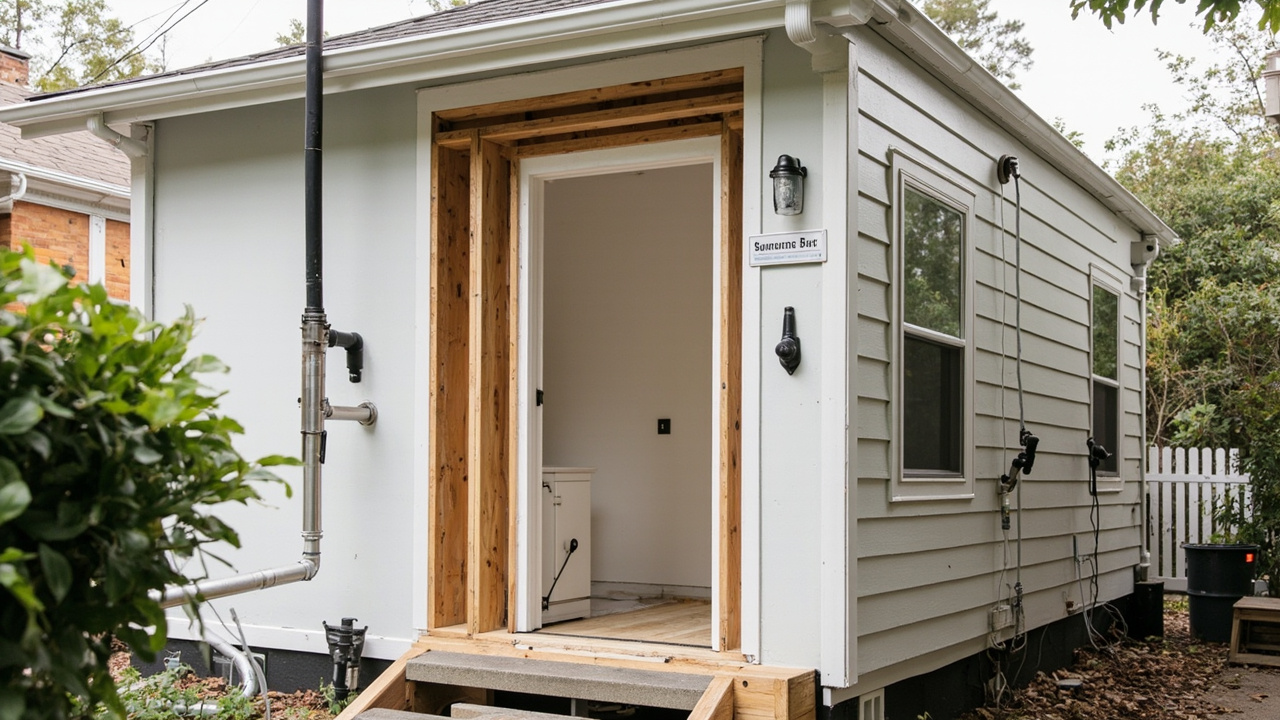
All plumbing work for an ADU must be permitted through the Houston Permitting Center at 1002 Washington Ave. You cannot legally build a guest house without a plumbing permit and a series of inspections. The process begins with the rough-in inspection where the inspector checks the pipes in the ground before we pour the concrete slab. In 2026 (the city uses a digital portal for all inspection requests) making it faster to get an official on site. You must ensure all pipes are under a pressure test during this visit. For sewer lines (we use a ten foot head of water) to prove there are no leaks.
If you are working on an older property (you might also be considering a real look at the cost of whole home repiping for Memorial area houses) and realize that the main house needs help too. It is often cheaper to permit both jobs at once. The inspector will check the venting (every fixture must have a vent through the roof) to prevent sewer gases from entering the ADU. Air admittance valves are sometimes allowed in 2026 for kitchen islands (but you should always try to use a standard stack vent when possible).
Gas line considerations for secondary units
Many homeowners in the Third Ward prefer gas for cooking and water heating in their guest houses. Running a gas line to an ADU requires specific safety measures. We must calculate the total BTU demand of all appliances to size the pipe correctly. If the main house already has gas (we check the meter capacity). Often (the existing meter is too small) and we must request an upgrade from CenterPoint Energy. In 2026 (high efficiency gas furnaces and ranges are popular) but they require proper venting to avoid carbon monoxide risks. We use yellow coated flexible gas piping (CSST) in many ADU projects because it is easier to fish through existing structures than rigid black iron pipe.
Estimated Plumbing Timeline for Third Ward ADU
| Project Phase | Average Duration | Key Requirements |
|---|---|---|
| Underground Rough-In | 3 to 5 Days | Trenching and pipe layout and pressure test |
| Top Out Plumbing | 2 to 4 Days | Venting and water lines and tub installation |
| Gas Line Installation | 1 to 2 Days | Pipe sizing and pressure test and meter check |
| Final Trim Out | 2 to 3 Days | Setting toilets and sinks and faucets |
Drainage and venting standards
Proper drainage is more than just connecting pipes. In the Third Ward (where lots are often flat) managing rain water runoff is just as important as managing sewage. Your ADU project may require a separate drainage plan to ensure water does not pool under the new foundation. The plumbing code requires specific distances between vents and windows or doors. For example (a vent stack must be at least ten feet away from any air intake). This prevents odors from being sucked back into the living space. In 2026 (plumbing inspectors are very strict about these clearances) due to the close proximity of buildings in dense areas.
- Install a master shut off valve inside the ADU for emergencies.
- Use dual flush toilets to meet 2026 water conservation standards.
- Ensure all outdoor hose bibbs have vacuum breakers.
- Verify that the water heater has a properly piped T and P relief valve.
- Install a floor drain in the laundry room to prevent flood damage.
Final inspections and fixture selection
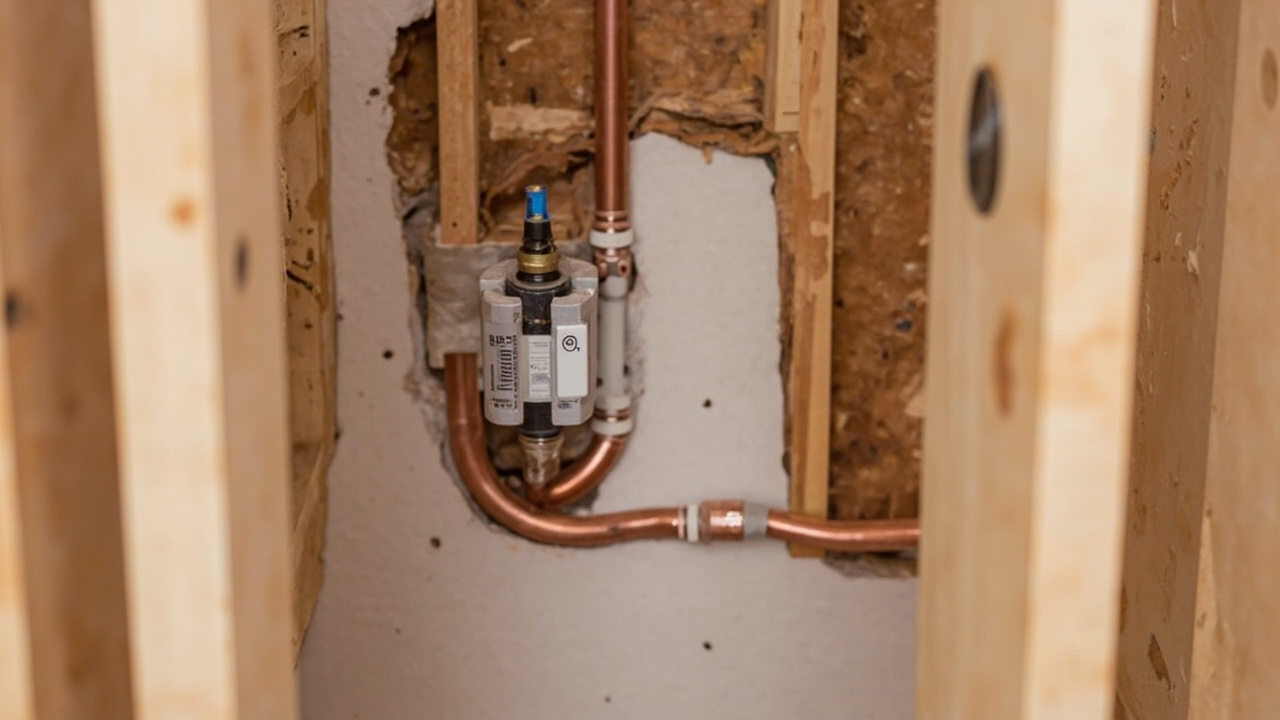
The final phase of your Third Ward ADU plumbing is the trim out. This is when we install the toilets and sinks and water heaters. We must follow the Texas State Board of Plumbing Examiners rules for fixture installation. Every fixture must be trapped and vented. We also check for water hammer (the banging sound pipes make) and install arrestors if needed. The final inspection by the City of Houston confirms that everything is safe for occupancy. This includes checking that the hot water is delivered at a safe temperature to prevent scalding.
Building an ADU is a major investment that adds value to your property and provides needed housing in the Third Ward. By following the 2026 plumbing requirements (you avoid costly repairs and legal issues later). Whether you are building a modern suite for family or a rental unit for students (quality plumbing is the foundation of a good build). Make sure you work with a licensed team that understands the local Houston codes and the specific challenges of our Gulf Coast environment. When you get the plumbing right (the rest of the construction follows much more smoothly).
If you are ready to start your guest house project (you need a partner who knows every inch of the Third Ward infrastructure). We help homeowners navigate the permitting office and the physical installation of every pipe and fixture. Contact a local plumbing expert today to review your ADU plans and ensure your plumbing system is built to last for decades.