
Expert Plumbing Services for Historic Houston Homes
Owning a home in the East End or the Houston Heights comes with architectural beauty and significant infrastructure responsibility. Most houses built during the early part of the twentieth century rely on plumbing systems that were never intended to last over one hundred years. By 2026, the degradation of these original materials has reached a critical point for many property owners. Renovating a historic property in Houston requires more than just replacing a faucet. You must address the unique interaction between aging materials and the specific environmental conditions of Southeast Texas. The shifting clay soil and high humidity levels create a set of challenges that modern suburban builds simply do not face.

When you start a renovation in an area like Second Ward or Eastwood, you encounter piping systems that have survived decades of ground movement. The East End is famous for its gumbo soil. This heavy clay expands when wet and shrinks during the hot, dry Houston summers. This constant movement puts immense pressure on rigid pipes. If your home still has the original plumbing, you are likely dealing with materials that cannot flex with the earth. This leads to cracks, leaks, and eventually catastrophic failure. Understanding the physics of your foundation and soil is the first step in a successful historic renovation.
Common Plumbing Challenges in Houston Historic Neighborhoods
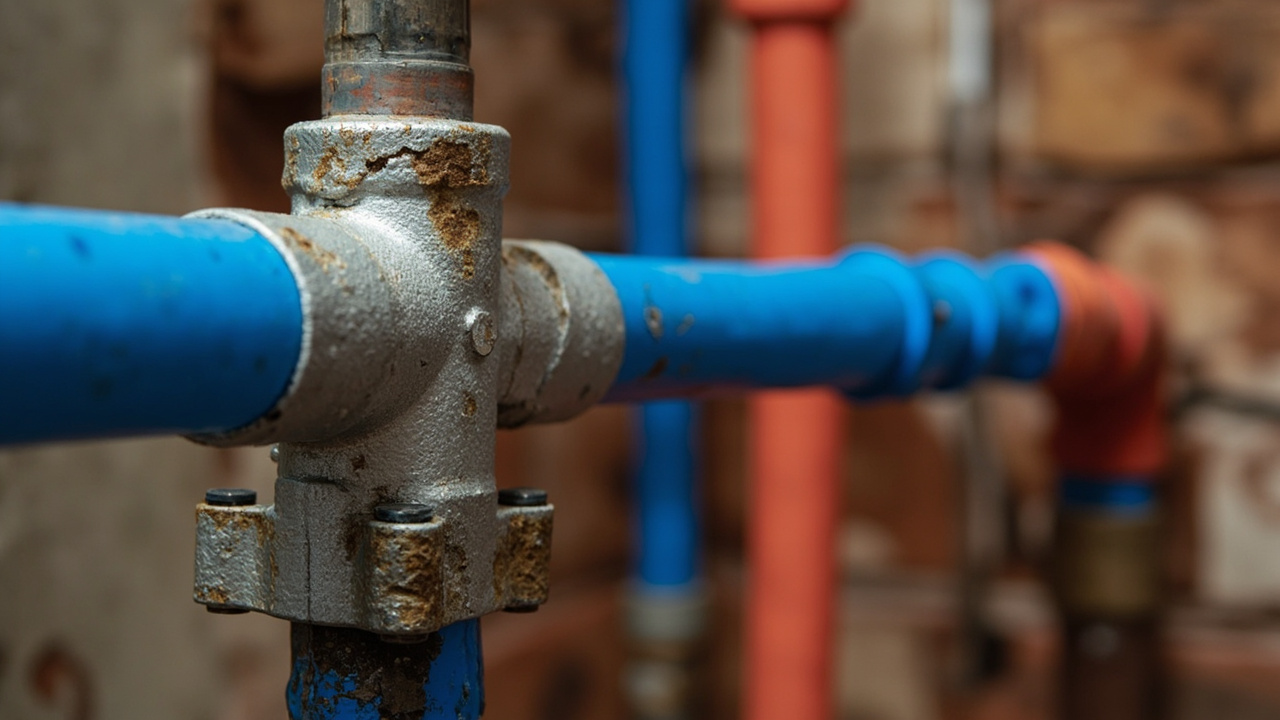
Historic homes in the Houston metro area typically feature two main types of legacy piping. You will find galvanized steel for water supply lines and cast iron for sewer drainage. Both materials have reached the end of their functional lifespan by 2026. Galvanized pipes corrode from the inside out. This internal rusting narrows the diameter of the pipe, which causes a noticeable drop in water pressure. If you notice a metallic taste or brown tint in your water when you first turn on the tap, your pipes are disintegrating. This is a common issue for those dealing with hard water scale in your Sugar Land pipes and fixtures, though the cause in historic homes is usually pipe decay rather than just mineral buildup.
Cast iron sewer lines present a different set of risks. The bottom of a cast iron pipe eventually wears away due to the acidic nature of waste and constant water flow. This creates a channel in the soil beneath the pipe. In Houston, our gumbo soil often shifts and causes the pipe to sag. This creates a belly in the line where waste collects and causes frequent backups. If you are experiencing slow drains, it is often a sign of a structural failure in the sewer line rather than a simple clog. This is a frequent problem when homeowners are determining what to do when your sewer line starts backing up in the Heights and other nearby historic districts.
The Impact of Pier and Beam Foundations
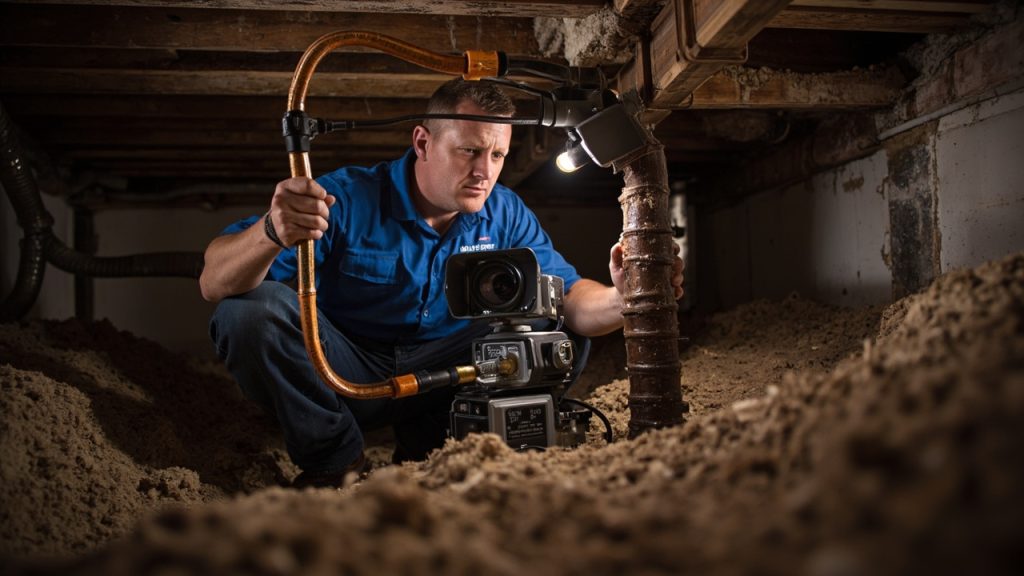
Most historic homes in the East End and Montrose sit on pier and beam foundations. This design provides a crawlspace under the house. While this makes accessing pipes easier than a slab foundation, it exposes the plumbing to different risks. Pipes hanging under a pier and beam home are subject to temperature fluctuations and humidity. In 2026, we see many older homes where the original copper or galvanized hangers have failed. This causes pipes to sag and lose the proper slope required for gravity based drainage. Without the correct pitch, your sewer system will fail even if the pipes themselves are still intact. Proper strapping and support are vital components of any renovation project in these neighborhoods.
Neighborhood Specific Expertise
Every historic district in Houston has its own personality and its own set of plumbing quirks. The Houston Heights is known for its bungalows that often had additions built in the 1940s or 1950s. These additions frequently used different materials than the main house, creating a patchwork of plumbing that can be difficult to manage. Montrose and the Museum District often feature multi unit historic conversions. These buildings require high capacity systems that the original 1920s infrastructure was never designed to handle. Upgrading these properties requires a deep understanding of current City of Houston building codes and permitting requirements.
In River Oaks, the scale of the homes means that water volume and pressure are the primary concerns. Large estates with multiple bathrooms need sophisticated pumping systems and large diameter supply lines to maintain performance. If you have an emergency in a high value property, you need to know how to find a reliable 24 hour plumber in River Oaks who can get to you fast. The infrastructure in these older elite neighborhoods often requires specialized knowledge of how original lead joints were used in large scale water mains.
Table 1 Comparing Historic Pipe Materials for 2026 Renovations
| Material Type | Typical Lifespan | Common Failure Point | Renovation Recommendation |
|---|---|---|---|
| Galvanized Steel | 40 to 60 years | Internal rust and occlusion | Complete replacement with PEX or Copper | Cast Iron Sewer | 50 to 75 years | Channeling and bottom rot | Replacement with PVC or Epoxy lining | Original Copper | 60 to 80 years | Pinhole leaks from turbulence | Evaluation for spot repairs or repipe | Lead Joints | Indefinite | Leaching and structural weakness | Immediate removal and replacement |
As the table shows, most original materials have surpassed their expected utility. When you renovate, you must decide between PEX and copper for your new supply lines. PEX is flexible and resistant to the scale buildup that plagues Houston water. It is also less likely to burst during rare Houston freeze events. Copper remains a premium choice for its longevity and natural antimicrobial properties. However, in the shifting soil of the East End, the flexibility of PEX often makes it the superior choice for modern renovations. You can read more about the investment required for these upgrades in our guide on a real look at the cost of whole home repiping for Memorial area houses.
Our Specialized Restoration Process
We do not use a one size fits all approach for historic homes. Our process begins with non invasive diagnostic tools. We use high resolution sewer cameras to inspect the entire length of your drainage system. This allows us to find bellies, root intrusions, and collapsed sections without digging up your yard. For supply lines, we use ultrasonic leak detection to find hidden drips behind lath and plaster walls. Historic walls are difficult and expensive to repair, so we prioritize methods that minimize the need for demolition. This precision is what separates a specialized historic plumber from a general contractor.
Permitting is the next critical step. The City of Houston has strict rules for historic districts. You cannot simply change the plumbing without ensuring the work meets current standards set by the Texas State Board of Plumbing Examiners. We handle the entire permitting process, ensuring that your renovation is legal and adds real value to your property. This is especially important for homes in the East End where property values are rising rapidly in 2026. A renovation without proper permits can lead to significant problems when you eventually try to sell the home.
Modern Upgrades for Vintage Homes
Renovating your plumbing is an opportunity to improve the efficiency of your home. Many historic owners are now opting for tankless water heaters. These units provide endless hot water and take up much less space than a traditional tank. Space is at a premium in many older East End homes, making a wall mounted tankless unit an ideal solution. This is a popular trend we see across the region, similar to why Katy homeowners choose tankless water heaters for better performance. These units also eliminate the risk of a massive tank leak in your attic or crawlspace.
Table 2 Estimated Timelines for Historic Plumbing Projects
| Project Type | Scope of Work | Estimated Duration |
|---|---|---|
| Full Home Repipe | Replacing all supply lines with PEX | 3 to 5 days |
| Sewer Line Replacement | Excavation and PVC installation | 2 to 4 days |
| Tankless Conversion | Removing tank and upgrading gas/venting | 1 day |
| Historical Fixture Restoration | Refurbishing vintage clawfoot tubs/sinks | Varies by part availability |
Technical Details of Houston Gumbo Soil Impact
You cannot discuss Houston plumbing without talking about the soil. The East End sits on a thick layer of Beaumont Clay. This soil has a high shrink swell capacity. When the soil dries out, it pulls away from your foundation and your pipes. When it rains, it expands with enough force to snap a cast iron pipe. During a renovation, we use specific techniques to mitigate this. We install expansion loops in certain piping configurations and use bedding materials like sand or pea gravel to cushion new underground lines. This gives the pipes a buffer zone, allowing the soil to move without taking the plumbing with it.
We also perform hydrostatic testing during every renovation. This involves plugging the sewer system and filling it with water to ensure there are no leaks under the foundation. This test is the only way to be one hundred percent sure that your new system is watertight. In older homes where the foundation might have been leveled recently, a hydrostatic test is mandatory. Leveling a house often breaks the old, brittle pipes that were already under tension. If you are planning to level your historic home in 2026, you must coordinate with your plumber to check the lines immediately afterward.
- Replace galvanized pipes before they cause water damage to original hardwood floors.
- Inspect sewer lines for root intrusion from mature oak trees common in historic neighborhoods.
- Ensure all new gas lines meet 2026 safety standards for vintage stoves and heaters.
- Install water filtration systems to protect new fixtures from local sediment.
- Check that all venting through the roof is properly flashed to prevent leaks during hurricane season.
Preserving Architectural Integrity
One of the hardest parts of plumbing in a historic home is preserving the aesthetics. We often work with original clawfoot tubs and pedestal sinks. These fixtures require specific valves and drains that are not found in big box stores. We source high quality brass and nickel components that match the 1920s and 1930s style while providing 2026 reliability. If you have an original farmhouse sink in your Second Ward kitchen, we can retro fit modern drainage and garbage disposals without ruining the vintage look. It is about blending the best of both eras.
Modern technology helps us achieve this. We use small diameter PEX tubing that can be fished through narrow wall cavities, much like electrical wiring. This often allows us to bypass the need to tear down original lath and plaster. Keeping those original walls intact is a major priority for homeowners who value the historical significance of their property. We also use specialized drill bits that prevent cracking in old, brittle wood framing. Every cut we make is calculated to maintain the structural strength of your home.
Final Considerations for Your East End Renovation
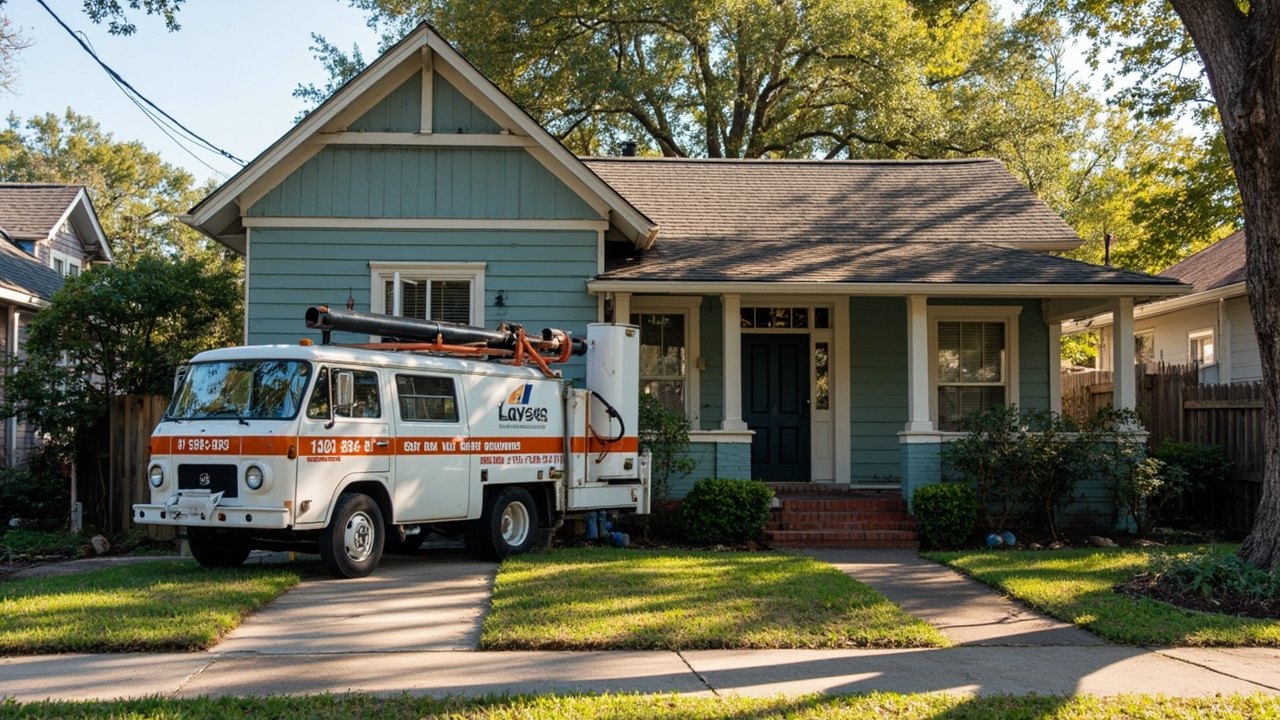
By 2026, the cost of building materials has stabilized, but the complexity of historic work remains high. You should always verify that your plumber has specific experience with pier and beam structures and Houston clay soil. Ask for references from neighbors in the East End or the Heights. A plumber who primarily works on new construction in the suburbs will not have the tools or the patience required for a 100 year old house. The nuances of old vent stacks and lead closet bends require a steady hand and years of specific training.
Your plumbing system is the circulatory system of your home. In a historic property, it is often the most neglected component. Taking a proactive approach to your renovation ensures that your home remains functional and safe for the next generation. Whether you are dealing with a slow drain in Eastwood or planning a full restoration in the Museum District, focus on quality materials and proven local expertise. If you notice signs of pipe failure or if you are planning a major renovation project, contact a specialist who understands the unique needs of Houston historic properties today.