
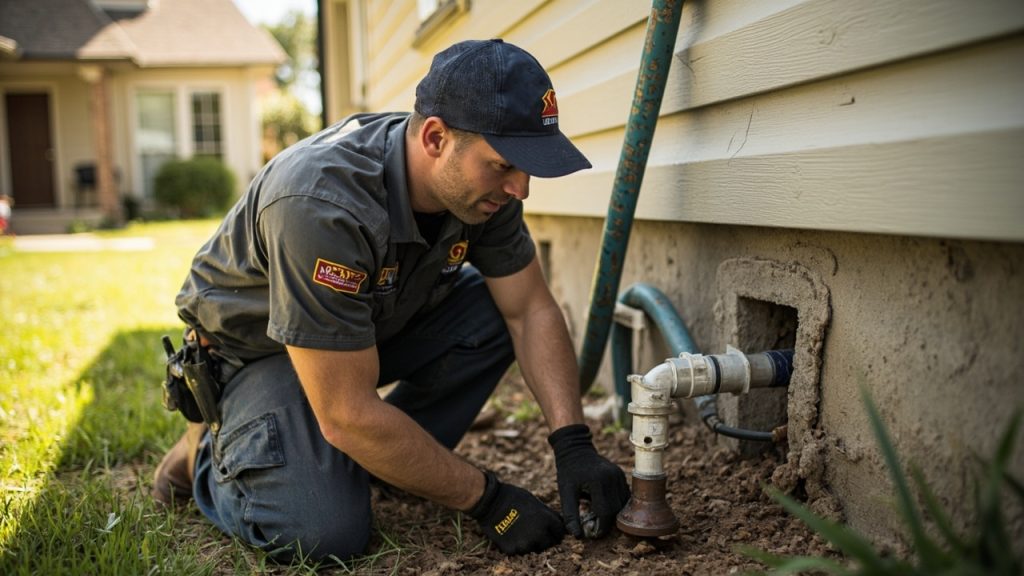
Pasadena residents face a constant battle against the ground beneath their feet. In 2026, the local climate continues to produce intense heat cycles that pull moisture out of the earth at an alarming rate. This environmental pressure causes the expansive clay soil prevalent in Harris County to shrink and pull away from home foundations. When the soil moves, your plumbing moves with it. This physical shift is one of the leading causes of slab leaks and broken sewer lines in our area today. A foundation watering system serves as a defensive barrier that keeps soil moisture levels consistent throughout the year. Without this protection, your home risks significant structural and mechanical damage that often costs tens of thousands of dollars to fix.
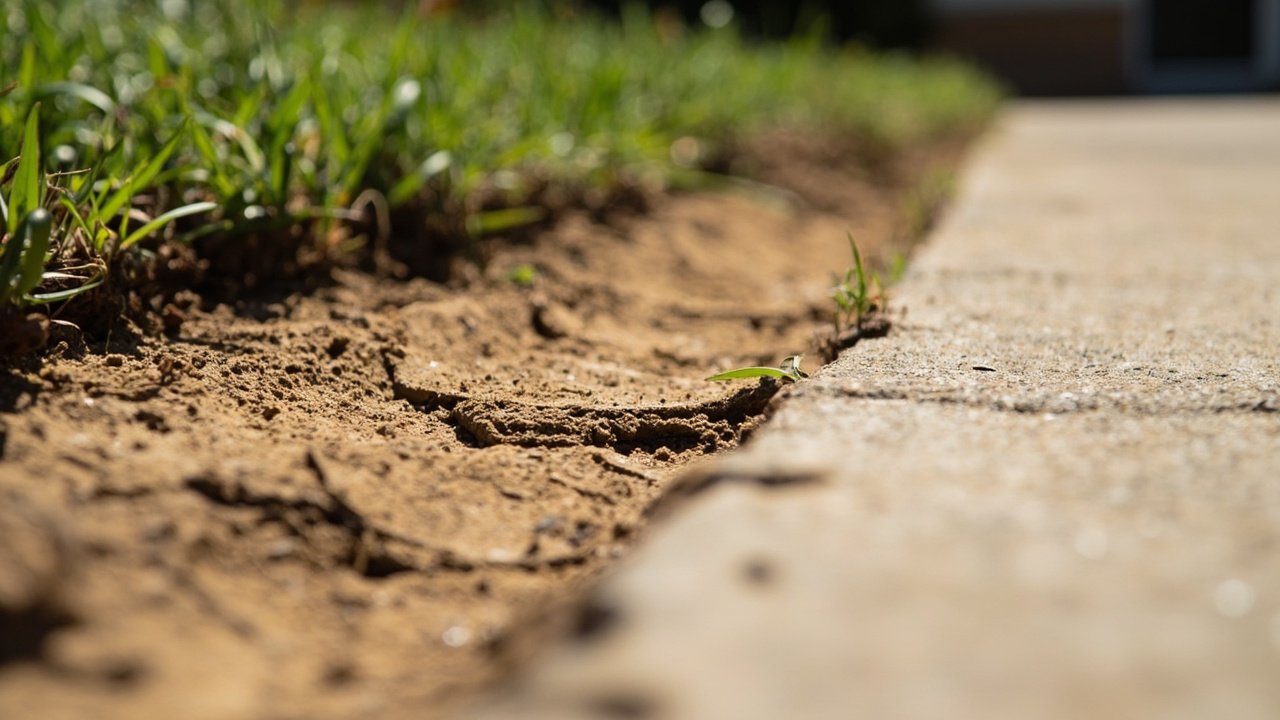
The ground in Southeast Texas consists largely of Houston Black clay. This specific soil type behaves like a giant sponge. It expands when it gets wet and contracts when it dries out. During a typical hot summer in 2026, the soil can shrink so much that gaps appear between the dirt and your concrete slab. These gaps are not just unsightly. They indicate that the weight of your home is no longer evenly supported. When a section of the slab settles or drops even a fraction of an inch, the rigid pipes buried within or beneath that concrete are subjected to immense stress. PVC pipes can crack and copper lines can kink or shear. This is why maintaining a stable moisture perimeter is a plumbing necessity rather than a landscaping luxury.
The Mechanics of Plumbing Failures Caused by Soil Contraction
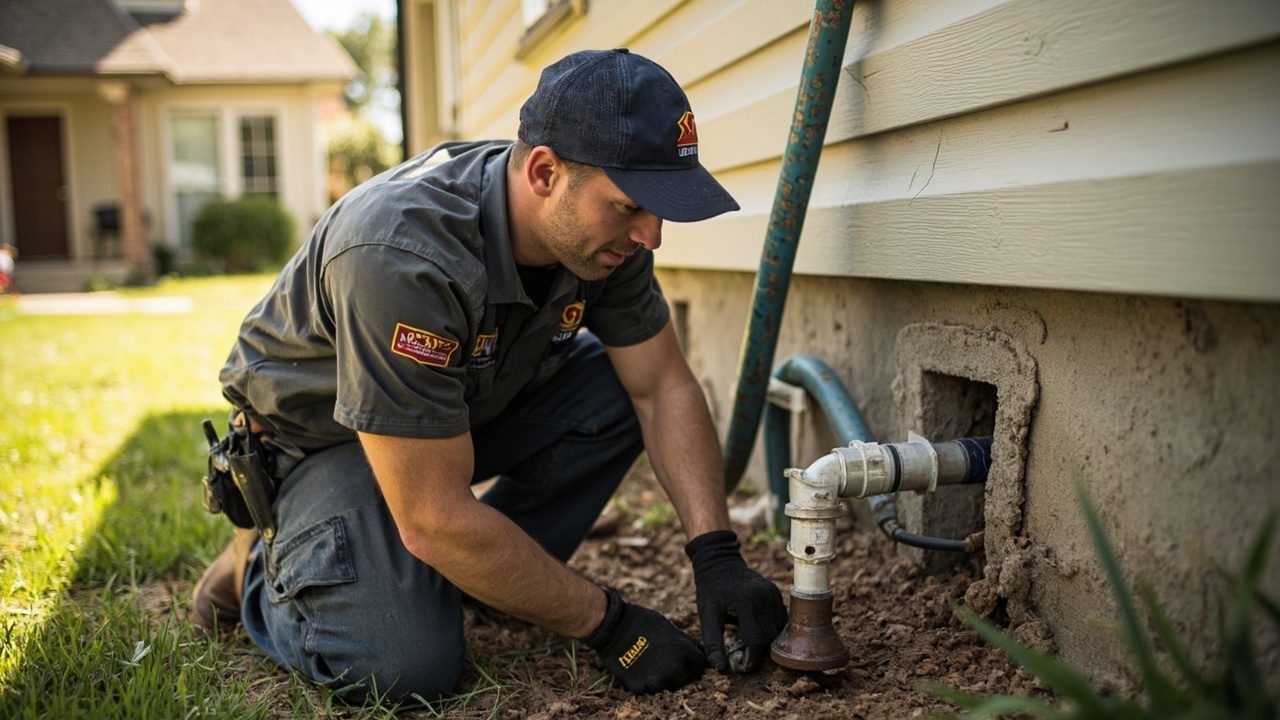
Plumbing systems are designed to remain stationary. In neighborhoods like Golden Acres or Vista Villas, many homes sit on slab-on-grade foundations. The water supply lines and drain pipes are often embedded directly in or placed immediately under the concrete. When the clay soil dries out, it pulls away from the edges of the slab. This creates a lack of support for the heavy concrete. As the slab settles into the voids left by the shrinking clay, it puts a crushing force on the plumbing. You might first notice this as a slow drain or a sudden increase in your water bill. If you suspect a major issue, you may need a reliable 24 hour plumber in River Oaks or the surrounding Pasadena area to perform a hydrostatic test immediately.
Drain lines are particularly vulnerable to these shifts. Most modern homes use PVC for sewer drainage. While PVC is durable, it does not have the flexibility to withstand the torque of a shifting foundation. A single inch of movement can snap a fitting or cause a pipe to slope in the wrong direction. When the slope is lost, waste no longer flows toward the city main. This leads to recurring clogs and backups. If your sewer line starts backing up in The Heights or Pasadena, the root cause is frequently a foundation that has moved due to soil desiccation. A watering system prevents the soil from reaching that critical point of shrinkage.
How a Professional Foundation Watering System Differs from Soaker Hoses
Many homeowners try to solve soil issues by throwing a hardware store soaker hose around the house. This method is often ineffective and can sometimes cause more harm. Manual hoses deliver water unevenly. One corner of the house might get soaked while another stays bone dry. This uneven distribution causes differential settlement, which is even worse for your plumbing than uniform shrinkage. A professional system installed by a licensed plumber uses pressure-compensated emitters and dedicated zones. These systems are often connected to an automated controller that adjusts for the current 2026 weather patterns. This ensures every foot of your foundation receives the exact amount of hydration needed to stay stable.
Plumbing codes in 2026 require specific safety measures for any system connected to your potable water supply. A professional installation includes a backflow prevention device to keep groundwater from entering your drinking water. According to the Texas State Board of Plumbing Examiners, maintaining these safety standards is vital for public health. A licensed plumber understands how to integrate the watering system into your existing lines without compromising water pressure or safety. They also use durable, subsurface piping that won’t degrade under the intense Texas sun or get nicked by a lawnmower.
Comparison of Foundation Maintenance Methods
| Feature | Manual Soaker Hoses | Automated Foundation Watering |
|---|---|---|
| Water Distribution | Uneven and inconsistent | Uniform via pressure emitters |
| Monitoring | Requires manual activation | Fully automated with sensors |
| Safety | No backflow protection | Includes backflow preventer |
| Longevity | 1 to 2 years | 15 plus years |
| Plumbing Protection | Low to moderate | High and reliable |
Signs Your Pasadena Home Already Has Soil Moisture Issues
You do not have to wait for a pipe to burst to know your soil is too dry. There are several warning signs that homeowners in the Pasadena and Deer Park areas should look for during the dry season. Early detection can save you from needing the cost of whole home repiping for Memorial area houses or your own Pasadena residence. If you see gaps between the dirt and your concrete, the soil has already lost a dangerous amount of moisture. This is the first indicator that a watering system is necessary.
- Interior doors that suddenly stick or will not latch.
- New cracks appearing in the drywall above door frames or windows.
- Gaps forming between the siding and the brickwork on the exterior.
- A sudden drop in water pressure that could indicate a slab leak.
- Cracks in the floor tiles or grout lines.
- Separation of the chimney from the rest of the house.
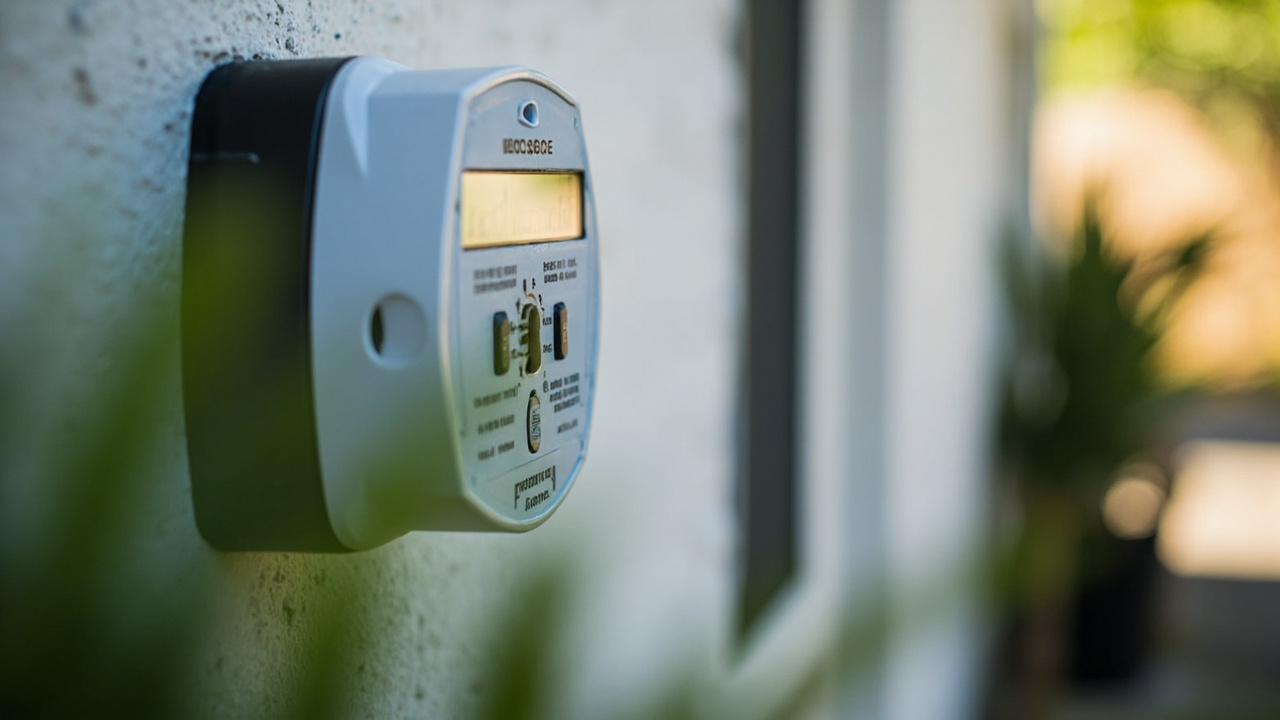
If you notice these signs, check your water meter. An unexplained spinning dial when no water is running inside the house often points to a break in the line under the slab. When the foundation moves, it frequently shears the water main where it enters the house. Addressing the soil moisture is the only way to stop this cycle of destruction. Even if you are upgrading your home with tankless water heaters for better performance, those investments are at risk if the underlying structure is unstable.
The Installation Process for Subsurface Hydration
Installing a foundation watering system is a technical process that requires knowledge of both irrigation and plumbing. We start by trenching around the entire perimeter of the home, usually about 12 to 18 inches away from the slab. Placing the lines too close can cause the soil to become too soft, which is also a risk. We install the lines at a depth that prevents evaporation while keeping the water close enough to the root of the foundation. We use high-density polyethylene tubing or specialized PVC designed for burial. Every segment is pressure tested to ensure there are no leaks before we cover the trench.
The system is divided into zones. This is important because the south and west sides of your home usually bake in the sun longer than the north and east sides. Each zone is controlled by a central hub. In 2026, many of these hubs connect to local weather stations to pause watering during our heavy Gulf Coast rain events. This prevents oversaturation, which can be just as damaging as a drought. According to soil data from the USDA Natural Resources Conservation Service, maintaining a consistent moisture level is the key to preventing the shrinking and swelling cycle that ruins foundations.
Typical Project Timeline and Cost Factors
| Phase | Duration | Key Considerations |
|---|---|---|
| Site Evaluation | 1 to 2 hours | Soil type and slab condition |
| Trenching and Layout | 1 to 2 days | Avoiding existing utility lines |
| Plumbing Integration | 4 to 6 hours | Backflow and main line connection |
| System Calibration | 2 to 3 hours | Setting zone timers for 2026 climate |
| Final Inspection | 1 hour | Verifying uniform moisture delivery |
Maintaining Your Foundation Watering System in the Houston Climate
A foundation watering system is not a set it and forget it solution. It requires seasonal adjustments to account for the humidity and rainfall changes in Pasadena. During the peak of summer, the system may need to run several times a week. In the milder winter months, it might only need to run once every two weeks. We recommend a professional checkup twice a year. We look for clogged emitters and ensure the backflow preventer is functioning correctly. If you have hard water scale in your Sugar Land pipes and fixtures or Pasadena home, this can also affect your watering system by clogging small emitters over time. Regular maintenance prevents these mineral deposits from ruining your investment.
Homeowners should also monitor the soil directly. The goal is not to create a swamp around your house. You want the soil to feel like a wrung-out sponge. It should be moist to the touch but not muddy. If you see standing water, the system is running too long or a line has broken. Professional plumbers can install moisture sensors that talk to your controller, taking the guesswork out of the process. This technology has become the standard in 2026 for high-end property maintenance in the Houston area.
Protecting Your Home for the Long Term
The cost of a foundation watering system is a fraction of the price of foundation leveling or slab leak repair. In the current 2026 market, foundation repairs often start at several thousand dollars and go up quickly depending on the number of piers required. Plumbing repairs under the slab add another significant layer of expense. By investing in a dedicated watering system, you are attacking the root cause of these problems. You are keeping the clay soil stable so it never has the chance to pull away from your foundation.
If you live in Pasadena, Deer Park, or the surrounding Houston suburbs, your home is likely sitting on expansive clay. Do not wait for cracks to appear in your walls or for your sewer lines to break. Take a proactive step to protect your property. A properly designed and installed system will keep your foundation level and your plumbing intact for decades. Contact a licensed plumbing professional who understands the specific soil challenges of the Texas Gulf Coast to evaluate your property and design a system that works for your specific lot and home design.