

The Reality of Richmond Water Hardness in 2026
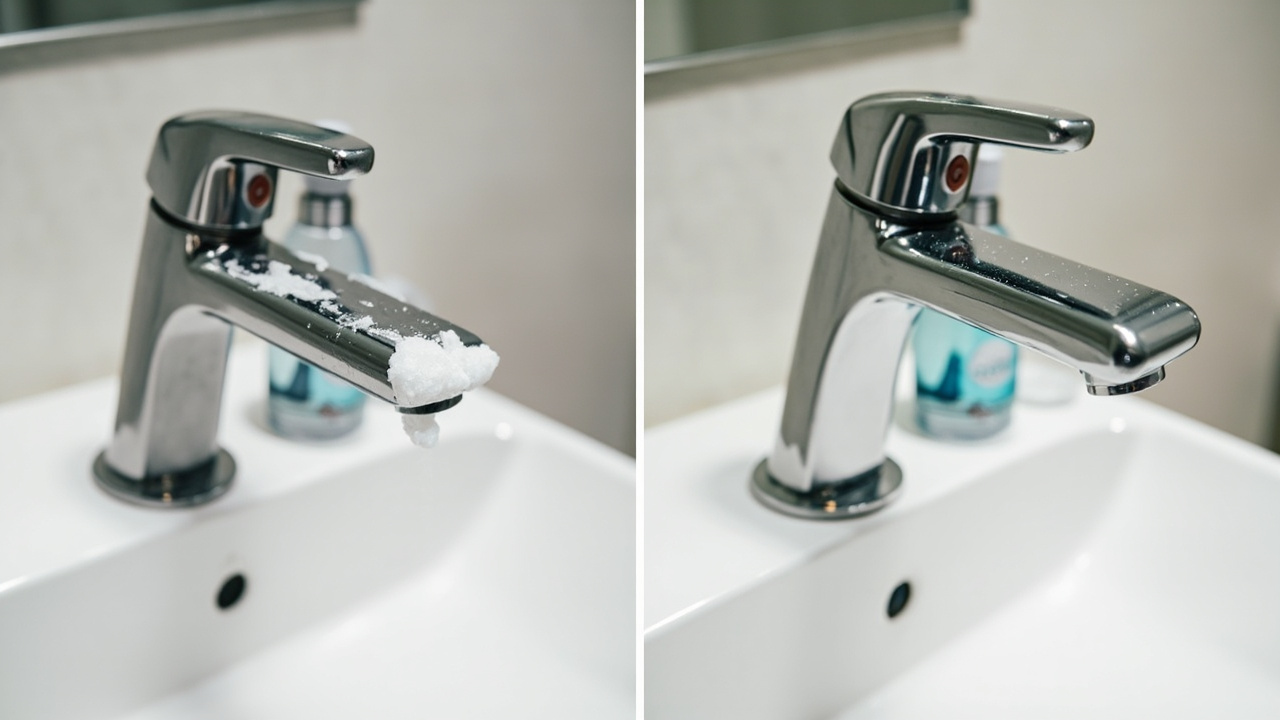
Living in the Richmond or Pecan Grove area means dealing with some of the hardest water in the greater Houston metro. New homeowners in neighborhoods like Harvest Green or Aliana often notice white crusty buildup on their showerheads within weeks of moving in. This scale consists of calcium and magnesium that stay behind when water evaporates. In 2026 the average water hardness in Fort Bend County ranges between 9 and 15 grains per gallon. This level is considered heavy to very hard by the Water Quality Association. Ignoring these minerals leads to clogged pipes and ruined appliances. Selecting the right system depends on whether you want to remove these minerals or simply manage the scale they create.

The Mechanics of Ion Exchange Water Softeners
A traditional water softener remains the gold standard for total mineral removal. These systems use a process called ion exchange. Inside the tank sits a bed of resin beads charged with sodium ions. As hard Richmond water passes through the resin the beads grab the calcium and magnesium ions and release a tiny amount of sodium into the water. This process completely strips the hardness out. You get that slippery feel in the shower which many people prefer. It also ensures that your pipes remain as clear as the day they were installed. If you are already dealing with hard water scale in your Sugar Land pipes and fixtures then a softener is often the most aggressive way to stop further damage.
These systems require a salt tank and a regeneration cycle. Every few days the system flushes the captured minerals down the drain and recharges the resin with new salt. In 2026 modern softeners use high efficiency valves that minimize water waste during this cycle. However you must commit to buying and hauling salt bags to your garage or utility closet once a month. For many families in the Richmond area the trade off is worth the soft skin and spot free dishes.
Understanding Salt Free Water Conditioners
Salt free water conditioners do not actually soften the water. They are more accurately called scale prevention systems. Most of these units use a technology known as Template Assisted Crystallization or TAC. Instead of removing the minerals the system changes their physical structure. It turns the dissolved calcium into microscopic crystals that cannot stick to your pipes or heating elements. Because the minerals stay in the water you do not get that slippery feeling associated with soft water. Your water will still test as hard on a chemical strip but it will not cause the same level of scale buildup in your home.
Richmond residents often choose these systems when they want to avoid salt usage. If you are on a sodium restricted diet or do not want to lift heavy bags of salt a conditioner is a great alternative. These systems do not have a backwash cycle so they do not waste any water. This makes them more environmentally friendly for the local Texas climate. They also do not require electricity which simplifies the installation process in many new builds where a power outlet might not be available near the main water shutoff.
Head to Head Comparison of Performance Features
When you evaluate these two technologies you have to look at how they perform over time in the Houston heat. Softeners are proactive while conditioners are reactive to scale. Here is a breakdown of how they compare across several categories that matter to Richmond homeowners in 2026.
| Feature | Salt Based Water Softener | Salt Free Water Conditioner |
|---|---|---|
| Mineral Removal | Removes 99 percent of minerals | Zero mineral removal |
| Scale Prevention | Excellent for all surfaces | Good for pipes and heaters |
| Water Feel | Slippery and silky | Natural water feel |
| Soap Usage | Reduces soap needs by 50 percent | Standard soap usage |
| Wastewater | Significant discharge during regen | Zero wastewater produced |
| Power Needs | Requires electrical outlet | No power required |
The choice often comes down to the specific plumbing in your home. If you have a high end kitchen with delicate fixtures you might want the total protection of a softener. If you are more concerned about the environment and low maintenance then the conditioner wins.
Operating Costs and Maintenance Expectations in 2026
Maintenance is the biggest differentiator for Richmond residents. A water softener requires a refill of salt every four to six weeks depending on your family size. In 2026 a bag of high purity salt pellets costs about ten dollars. You will also need to clean the brine tank once a year to prevent salt bridges. The resin inside the main tank typically lasts about ten to twelve years before it needs replacement. If your home has high chlorine levels from the city water supply it can wear down that resin faster.
Conditioners have much lower ongoing maintenance. There is no salt to buy and no brine tank to clean. Most salt free systems require a media replacement every three to five years. This involves a service call where a plumber swaps out the internal material. While the media itself is more expensive than a few bags of salt the lack of monthly labor makes it very attractive for busy professionals in the Fort Bend area. You can find more information about water mineral content at the USGS Water Science School.
| Cost Factor | Annual Softener Estimate | Annual Conditioner Estimate |
|---|---|---|
| Consumables | High (Monthly salt purchase) | None |
| Electricity | Minimal (Timer and valve) | Zero |
| Water Usage | Moderate (Regeneration cycles) | Zero |
| Professional Service | Annual checkup recommended | Media swap every few years |
| Initial Install | Moderate to High | Moderate |
Protecting Your Appliances and Plumbing Infrastructure
The mineral heavy water from the Brazos River Basin can be brutal on modern appliances. If you have invested in a high efficiency tankless unit you must have some form of water treatment. Scale buildup inside a tankless heat exchanger will cause the unit to overheat and fail prematurely. This is a common issue we see when Katy homeowners choose tankless water heaters without addressing their local water quality. Both softeners and conditioners provide the necessary protection to keep your warranty valid and your water hot.
Your dishwasher and washing machine also benefit from treated water. Soft water allows detergents to lather better which means you can use less soap and still get cleaner clothes. Conditioners do not improve lathering but they do prevent the white spots on your glassware. For those living in older parts of Richmond where pipes might be thinning it is important to understand how these systems interact with your plumbing. If you are considering the cost of whole home repiping for Memorial area houses or similar projects in Richmond then adding water treatment at the same time is a smart way to protect that new investment.
Installation Considerations for New Richmond Subdivisions
Installing these systems in a new home is usually straightforward if the builder included a water softener loop. A loop is a section of pipe specifically designed for a treatment system to be spliced in. If your home does not have a loop the installation becomes more complex and requires cutting into the main water line. In Richmond most new homes in the 2026 market come standard with these loops in the garage.
One technical detail to remember is the drain line. A salt based softener must have a place to discharge its brine water. This usually requires a nearby P-trap or a standpipe. If your garage does not have a drain then a salt free conditioner might be your only viable option without major plumbing renovations. You should also consider the proximity to your water heater. Most homeowners prefer to treat the entire house rather than just the hot water side. This ensures that your cold water taps also provide treated water for drinking and bathing.
Environmental Impact and Water Conservation
In 2026 water conservation is a major priority for the Houston area. A standard water softener can use thirty to fifty gallons of water during every regeneration cycle. Over a year this adds up to thousands of gallons of water sent to the local sewer system. For some people this is a deal breaker. Salt free conditioners are the clear winner for eco-conscious residents since they produce no waste. They also do not release salt into the local water table which is a growing concern for municipal water treatment plants.
If you have a septic system instead of a city sewer connection you must be even more careful. High concentrations of salt can disrupt the bacterial balance in a septic tank. While many modern softeners are septic safe a salt free conditioner removes the risk entirely. This is an important factor for residents in the more rural parts of Richmond and Fort Bend County who rely on private septic systems.
Common Questions for Richmond Homeowners
Does a water conditioner remove chlorine?
Standard salt free conditioners focus solely on scale. However many units come as a dual stage system that includes a carbon filter. This carbon stage will remove chlorine and improve the taste and smell of your Richmond city water. If you want better tasting water for drinking and cooking look for a hybrid system.
Will my water feel different with a conditioner?
No. Your water will feel exactly the same as it does now. You will not get the slippery feeling that comes with a salt based softener. This is because the minerals are still present in the water. They are just in a crystalline form that does not stick to your skin or hair as easily as dissolved minerals.
Can I install a softener if I have limited space?
Yes. There are cabinet style softeners that combine the resin tank and the salt tank into one single unit. These are much smaller than traditional two tank systems and can fit into tight spaces in a utility room or a small garage. They offer the same level of softening but require more frequent salt refills due to the smaller brine capacity.
What happens if I forget to add salt to my softener?
The system will continue to cycle but it will not be able to remove the minerals. Within a few days you will notice hard water returning to your taps. Once you add salt it may take one or two manual regeneration cycles to get the water back to its soft state. It does not damage the system permanently but it does allow scale to begin forming in your pipes again.
Final Steps for Your Richmond Home
Choosing between these two systems depends on your personal priorities. If you want the luxury feel of soft water and the best possible protection for your fixtures a salt based softener is the right move. If you prefer a low maintenance approach and want to be more environmentally friendly a salt free conditioner is an excellent choice. Both systems will significantly extend the life of your plumbing and appliances compared to using untreated Richmond water.
If you are experiencing other plumbing issues like a sewer line backing up in The Heights or if you need a reliable 24 hour plumber in River Oaks for an emergency we can help with those too. For your Richmond home the first step is a water hardness test to see exactly what you are dealing with. Once you know your grain count you can make an informed decision that fits your budget and your lifestyle. Take care of your water now so your pipes stay clear for years to come.