

Waking up to a cold shower in your Houston home is a quick way to start the day with frustration. Whether you live in a historic bungalow in The Heights or a newer build in Sugar Land, your water heater is the unsung hero of your daily routine. When that unit starts acting up, you face a difficult choice. Do you spend money on a repair or invest in a brand-new system? This decision depends on factors like the age of the unit, the condition of the tank, and the specific challenges of our local environment. In 2026, we see more homeowners weighing these options as energy standards and local water conditions change.
Houston presents a unique set of challenges for plumbing appliances. Between the high humidity that can corrode exterior components and the mineral-heavy water sourced from our local reservoirs, water heaters here work harder than in many other parts of the country. If you are noticing strange noises, lower temperatures, or a slight leak, you must act before a small drip becomes a flood in your attic or garage.
Determining the Age of Your Houston Water Heater
The first step in your decision process is knowing exactly how old your unit is. Most traditional tank-style water heaters are built to last between eight and twelve years. In 2026, if your unit was manufactured more than a decade ago, you are likely entering the replacement zone. You can find the age of your heater by checking the manufacturer label for a serial number. Usually, the first four digits represent the month and year of production. If the label is faded or missing, a professional plumber can help you identify the model and its expected lifespan.
Tankless units are different. They often provide a service life of twenty years or more. If you are Why Katy Homeowners Choose Tankless Water Heaters for Better Performance, you know that these systems offer a longer runway before replacement becomes necessary. However, even the best tankless system requires regular maintenance to survive the mineral-heavy water found in the greater Houston area.

Evaluating Repair Costs Using the Fifty Percent Rule
A standard rule of thumb in the plumbing industry is the fifty percent rule. If the cost of a single repair exceeds half the cost of a new unit, replacement is the smarter financial move. In 2026, labor rates and part costs in Houston have shifted, making this calculation more important than ever. Minor repairs like replacing a thermocouple or a single heating element are usually worth the investment if the tank is less than eight years old.
If you are facing multiple failures, such as a broken thermostat combined with a failing heating element, the costs add up quickly. You must also consider the efficiency of your current unit. Older models from ten years ago use significantly more energy than the high-efficiency units available today. Often, the monthly savings on your gas or electric bill can help offset the cost of a new installation over a few years.
| Common Repair Part | Typical Lifespan | Estimated Repair Difficulty |
|---|---|---|
| Sacrificial Anode Rod | 2 to 4 Years | Moderate |
| Temperature and Pressure Valve | 5 to 7 Years | Low |
| Upper Heating Element | 6 to 10 Years | Moderate |
| Dip Tube | 8 to 12 Years | High |
How Houston Hard Water Impacts Your Decision
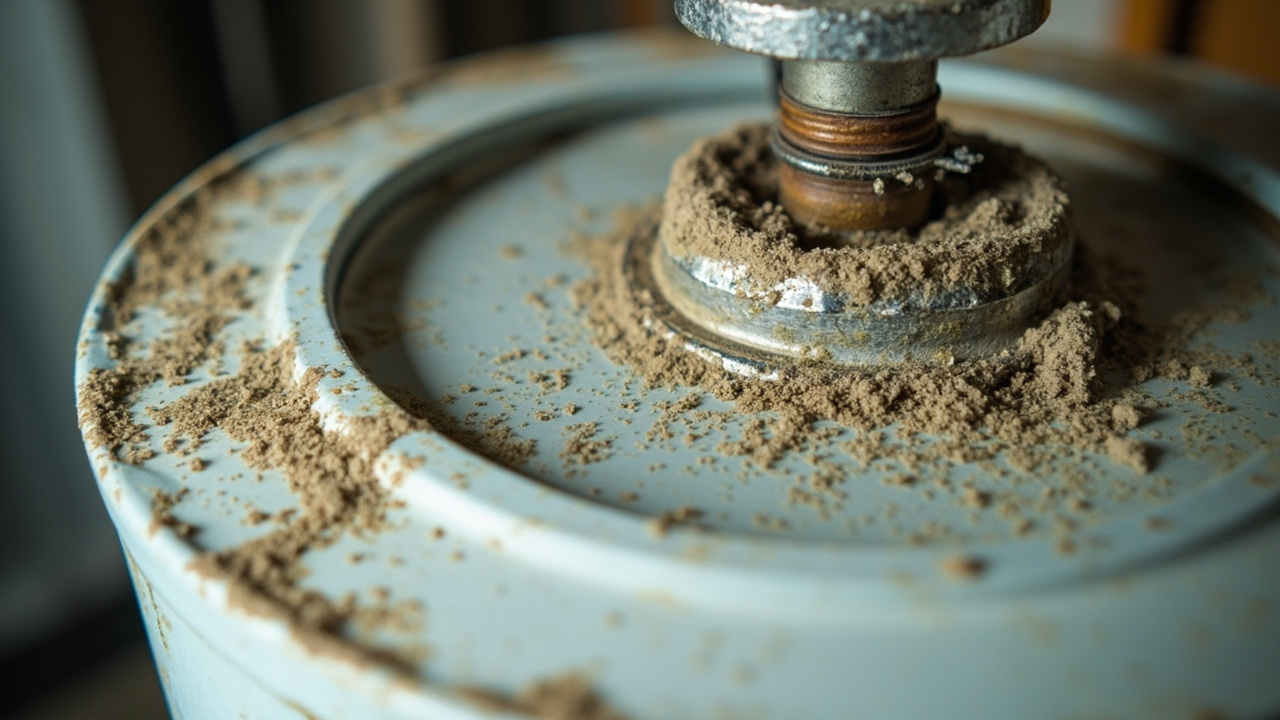
Water in the Houston metro area, including communities like Sugar Land and Pearland, often contains high levels of calcium and magnesium. These minerals settle at the bottom of your tank every time the water is heated. Over time, this sediment creates a thick layer of scale. This scale acts as an insulator, forcing the burner or heating element to work longer to reach the desired temperature. This extra heat stresses the metal tank, leading to cracks and structural failure.
If you hear a popping or rumbling sound coming from your water heater, that is the sound of steam bubbles escaping through the sediment layer. This is often a sign that the bottom of your tank is deteriorating. While flushing the unit can sometimes help, heavy sediment buildup is a primary reason many Houstonians choose to replace their units earlier than homeowners in other states. You can learn more about Dealing with Hard Water Scale in Your Sugar Land Pipes and Fixtures to see how this impacts your entire home.
The Critical Risk of Attic Installations in Harris County
In many Houston neighborhoods, especially those built in the last twenty years, water heaters are located in the attic. This is a space-saving measure, but it carries a massive risk. If a water heater in an attic fails catastrophically, it can cause thousands of dollars in damage to your ceilings, flooring, and furniture. A small leak can go unnoticed for weeks, leading to mold growth in the humid Houston climate.
When deciding whether to repair an aging unit in an attic, you must weigh the repair cost against the potential cost of a flood. If your unit is over ten years old and sitting above your living room, the peace of mind that comes with a new, warrantied unit is often worth the price. We always recommend installing a high-quality drain pan and an automatic shutoff sensor with any attic replacement. If you have an emergency, knowing How to Find a Reliable 24 Hour Plumber in River Oaks Who Can Get to You Fast is vital for minimizing water damage.
Common Signs Your Water Heater is Failing
Recognizing the symptoms of a failing unit early can save you from a major headache. If you notice any of the following signs, you should schedule a professional inspection immediately.
- Discolored or rusty-looking water coming from your hot water taps.
- A metallic smell or taste in your hot water.
- Water pooling around the base of the tank or in the drain pan.
- Frequent fluctuations in water temperature during use.
- Increasing energy bills without a change in usage habits.
Persistent moisture around the bottom of the heater is the most serious sign. This usually indicates a pinhole leak in the inner tank. Because these tanks are encased in insulation and an outer shell, a small visible leak often means the internal structure is already compromised. In these cases, repair is impossible, and immediate replacement is required to avoid a tank burst.
Technological Advantages of 2026 Water Heater Models
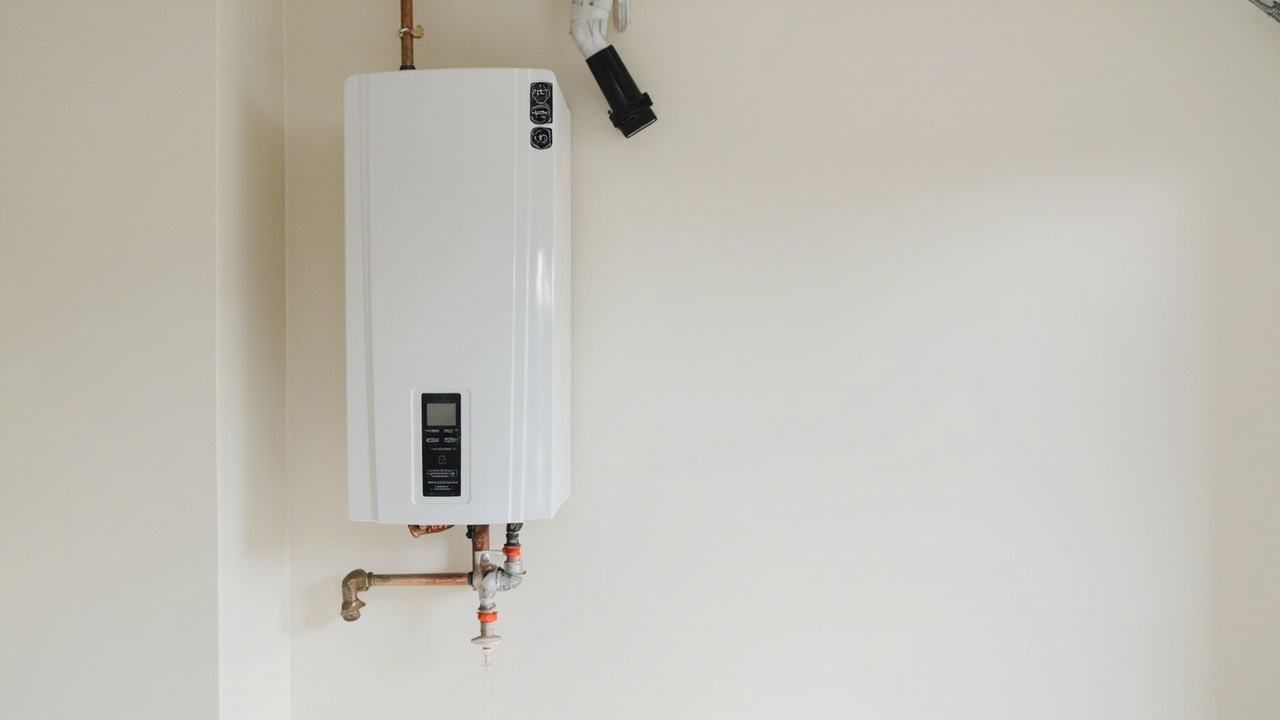
The plumbing industry has seen significant changes in energy standards by 2026. Modern units are better insulated and feature smarter controls than those built a decade ago. If you choose to replace your unit, you might consider moving to a hybrid heat pump water heater or a high-efficiency tankless system. These units can reduce energy consumption by up to sixty percent compared to older electric models.
Furthermore, new 2026 models often come with integrated leak detection and smart home connectivity. These systems can send an alert to your phone the moment they detect moisture or a drop in pressure. This technology is particularly valuable for Houston homes with units in the attic or remote garage corners. Protecting your home from water damage is just as important as ensuring you have a steady supply of hot water.
| System Type | Average Lifespan in Houston | Energy Efficiency Rating | Recommended Maintenance |
|---|---|---|---|
| Standard Gas Tank | 8 to 10 Years | Medium | Annual Flush |
| Standard Electric Tank | 10 to 12 Years | Low | Anode Check |
| Tankless Gas | 20 Plus Years | Very High | Annual Descale |
| Heat Pump Hybrid | 12 to 15 Years | Very High | Filter Cleaning |
The Importance of the Sacrificial Anode Rod
One of the most misunderstood components of a water heater is the sacrificial anode rod. This rod is made of magnesium or aluminum and hangs inside your tank. Its sole purpose is to corrode so that your tank does not. Through a process called electrolysis, the minerals in the water attack the anode rod instead of the steel walls of the tank. In Houston, our water chemistry can eat through an anode rod in as little as two or three years.
If you replace the anode rod regularly, you can significantly extend the life of your heater. This is a relatively inexpensive repair. However, if the rod has completely dissolved, the minerals will begin attacking the tank itself. Once the tank begins to rust internally, the clock is ticking. Many homeowners who find their tanks failing at the eight-year mark could have doubled that lifespan with simple anode rod maintenance. You can find more information on home maintenance and plumbing health at the U.S. Department of Energy website.
Local Code Requirements and Thermal Expansion
If you decide to replace your water heater in 2026, you must ensure the new installation meets current Houston building codes. One critical requirement often overlooked is the thermal expansion tank. When water is heated, it expands. In a closed plumbing system, this expansion creates pressure that can damage your pipes and the water heater itself. Most local jurisdictions now require a small expansion tank to be installed on the cold water line above the heater.
Additionally, proper venting is a major safety concern for gas water heaters. Modern codes have strict requirements for how exhaust gases are moved out of your home. If you are changing the type of water heater you use, your venting system may need a complete overhaul. This is why hiring a licensed professional is essential. You can verify the status of any plumbing professional through the Texas State Board of Plumbing Examiners. Faulty venting can lead to carbon monoxide buildup, which is a deadly risk for your family.
When to Consider a Whole Home Solution
Sometimes, a water heater problem is a symptom of a larger issue within your home. If you are constantly dealing with sediment clogs in your faucets or your water heater elements are burning out every year, your pipes might be the culprit. Galvanized pipes common in older Houston neighborhoods can rust from the inside out, sending debris directly into your water heater. In these situations, simply replacing the heater will not solve the underlying problem.
Homeowners in areas like Memorial or The Heights often find that a new water heater works best when paired with updated plumbing. You might want to look at A Real Look at the Cost of Whole Home Repiping for Memorial Area Houses to see if your home needs more than just a quick fix. Similarly, if you have frequent backups, you should understand What to Do When Your Sewer Line Starts Backing Up in The Heights, as integrated plumbing health is key to appliance longevity.
Making Your Final Decision
To choose between repair and replacement, look at the total picture of your home needs. If your unit is under seven years old, has a minor component failure, and shows no signs of rust, a repair is usually the best choice. If your unit is over ten years old, making strange noises, or showing signs of exterior corrosion, you should plan for a replacement. Choosing a high-efficiency model in 2026 will provide better performance and lower utility costs while protecting your home from the risk of a catastrophic tank failure.
A professional inspection can provide you with a clear diagnosis and a firm quote for both options. By understanding the specific needs of Houston plumbing, you can make a choice that keeps your family comfortable and your home safe. Do not wait for the tank to burst. Pay attention to the warning signs and take action while you still have the luxury of choice.