
Why Your Shower Pressure Suddenly Dropped and How to Fix It in Your Downtown Houston Condo
Waking up in a Downtown Houston loft or a high-rise near Market Square only to find a weak stream of water in your shower is frustrating. High-rise living presents plumbing challenges that residents in single-family homes in the suburbs rarely face. When your shower pressure drops suddenly, the cause involves everything from local mineral content to the complex booster pump systems that move water up thirty stories. Our team has handled these specific vertical plumbing issues across the Houston metro for over fifteen years. Understanding how your specific unit interacts with the building main is the first step toward getting that high-pressure spray back. The unique climate of the Gulf Coast also plays a role as high humidity and heat impact the mechanical components of your plumbing system throughout the current year.
Downtown Houston high-rises use specialized equipment to manage water flow. Because city main pressure usually only reaches about four or five stories, buildings use booster pumps and storage tanks. If you live in a newer development completed in 2026, your unit likely has high-efficiency fixtures that are sensitive to even small changes in pressure. Identifying whether the issue is local to your showerhead or systemic across the entire condo requires a methodical approach. You should first check if the pressure is low at every faucet in the unit. If the kitchen sink and the bathroom vanity also have weak flow, the problem is likely your Pressure Reducing Valve or the building supply line. If only the shower is weak, the issue is concentrated in the shower valve or the head itself. Before you start taking things apart, check the Houston Public Works water reports to see if there are any current main repairs in your specific zip code.
The Evolution of Smart Pressure Reducing Valves in 2026
Most Downtown Houston condos include a Pressure Reducing Valve or PRV. These devices are usually located in a small access panel near your water heater or behind a bathroom wall. The PRV protects your unit from the high pressure used by the building booster pumps. If the building pumps water at 120 PSI to reach the top floor, the PRV knocks that down to a safe 50 or 60 PSI for your faucets. When these valves fail, they often stick in a closed position. This causes an immediate drop in flow throughout the entire unit. Failure is common in Houston because of the high mineral content that can calcify internal springs and diaphragms. If you notice a whistling sound when you turn on the water, your PRV is likely failing and needs professional attention.

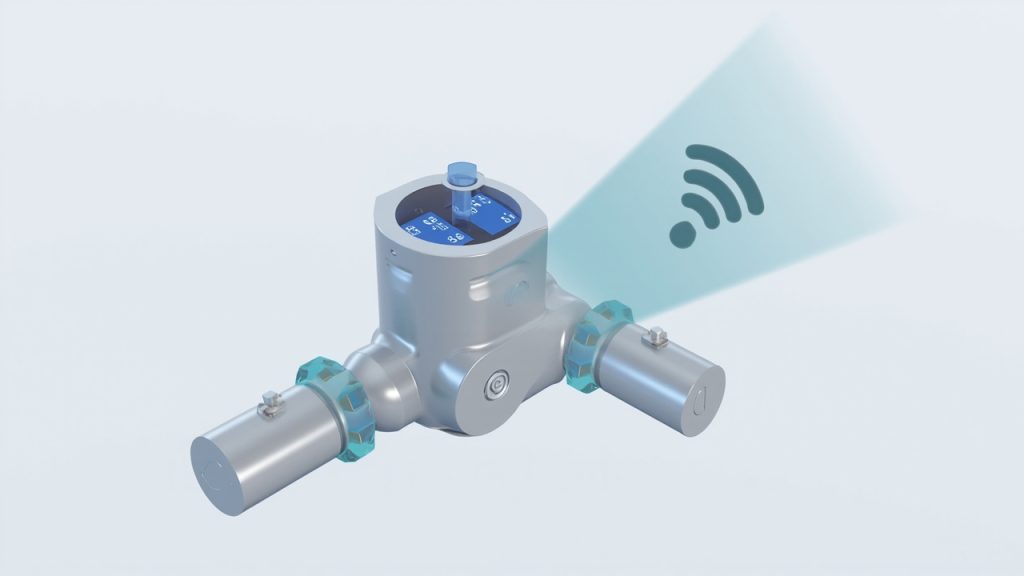
In 2026, many Houston high-rises have transitioned to smart PRVs. These devices connect to your local Wi-Fi and provide real-time data to your smartphone. A smart PRV monitors the incoming pressure from the building riser and the outgoing pressure to your fixtures. If the internal diaphragm of the valve begins to stiffen due to the high heat and humidity common in Houston, the smart sensor sends an alert before the pressure drops completely. This allows for proactive maintenance. If your valve is a legacy mechanical model, you will not get this warning. You will simply notice that your morning shower feels like a weak drizzle. Replacing an old mechanical valve with a 2026 smart model is a common upgrade for residents in the Midtown area who want to avoid sudden outages. These smart units can also detect small leaks that might lead to a larger leak detection service call if left unaddressed.
Identifying Booster Pump Models in Houston High-Rises
If you live on a high floor, your water pressure relies on a booster pump system located in the building basement or a mechanical floor. These systems use Variable Frequency Drives to adjust motor speed based on demand. In 2026, two specific brands dominate the Houston high-rise market. Understanding what is in your building helps you communicate with management. If the building system is failing, there is nothing you can do inside your unit to fix the pressure. You must alert the facility manager that the static pressure has dropped below the standard 50 PSI threshold. Modern buildings often share this data through a resident portal where you can see real-time pump performance.

The Grundfos Hydro MPC is a common sight in newer developments near the Toyota Center. This system uses up to six pumps in parallel to maintain constant pressure. If one pump fails, the others ramp up, but you might notice a slight dip during peak morning hours when everyone is showering at once. Another common system is the Wilo-Helix V. This unit is known for its high-efficiency vertical multi-stage pumps. If you experience pressure that pulses or fluctuates wildly, it often means the Variable Frequency Drive in the Wilo system is failing or needs a firmware update. In 2026, these systems are highly digital. A glitch in the building software can cause a floor-wide pressure drop even if the mechanical parts are fine. Always ask your building manager if the diagnostic report shows any errors before you start replacing parts inside your unit.
Detailed Step by Step Guide for Shower Cartridge Replacement
If the pressure is low in the shower but fine at the kitchen sink, the shower valve cartridge is the most likely culprit. This plastic and rubber component regulates the mix of hot and cold water. Over time, the mineral-rich water in Houston causes these parts to seize or clog. This is especially true for units that sit empty for several weeks at a time. Here is how to replace a common Moen 1222 or Delta MultiChoice cartridge found in most Downtown condos. Follow these steps carefully to restore your flow.
- Locate the water shut-off valves. In most Houston condos, these are behind a small panel in the bathroom or near the water heater. Turn both the hot and cold valves clockwise until they stop.
- Cover the shower drain with a towel. You do not want to lose small screws down the drain. This is a common mistake that turns a simple fix into a major problem.
- Remove the handle. Most modern handles have a small set screw on the bottom. Use a 7/64 inch hex key to loosen the screw and pull the handle straight off the wall.
- Remove the decorative trim plate. This is the large metal circle against the wall. It usually has two long screws. Remove them and set the plate aside.
- Remove the retaining clip. For Moen valves, there is a small metal clip at the top of the valve body. Use needle-nose pliers to pull this straight up. Be careful not to drop it behind the wall.
- Pull the old cartridge out. You may need a cartridge puller tool if the mineral buildup is heavy. Pull the cartridge straight toward you. Note the orientation of the H and C markings on the plastic.
- Clean the valve body. Use a small brush and white vinegar to scrub away any calcium or grit inside the brass valve. This ensures the new cartridge creates a perfect seal.
- Lubricate the new cartridge. Use the small packet of plumber grease that comes with the new part. Apply it to the black rubber O-rings on the side of the cartridge.
- Slide the new cartridge into the valve. Ensure the markings match the orientation of the old one. Push it in until it seats firmly.
- Reinstall the retaining clip, trim plate, and handle. Turn the water back on slowly and check for leaks behind the trim plate before you finish.
Comparison of Common Plumbing Components in 2026
The plumbing landscape has shifted significantly in the current year. We now see more electronic components in residential units than ever before. This table compares the standard parts you will find in a modern Houston condo and how they typically fail.
| Component Type | 2026 Tech Standard | Common Failure Sign | Repair Complexity |
|---|---|---|---|
| Pressure Valve | Smart IoT Enabled | Digital Alert or Sudden Drop | Professional Required |
| Shower Cartridge | High-Flow Ceramic | Isolated Low Pressure | Moderate DIY |
| Booster Pump | Variable Frequency Drive | Pulsing or Fluctuating Flow | Building Management |
| Showerhead | Venturi Low Flow | Gradual Clogging | Easy DIY |
The transition to ceramic cartridges and IoT valves in 2026 has changed how we diagnose issues. While older rubber parts would rot and leak, newer ceramic parts tend to crack or clog with fine silt. This silt is common in Houston after heavy rains or when the city performs maintenance on the large mains near Buffalo Bayou. If you find your cartridge is constantly clogging, you might benefit from a regular water heater maintenance plan to clear out the sediment that settles in your personal tank or heat exchanger.
Mineral Buildup and the Houston Water Profile
Houston water contains high levels of dissolved minerals. These minerals precipitate out of the water when it is heated. This creates a hard white crust known as scale. In a high-rise, this scale accumulates in the common risers and then breaks off, traveling into your unit. This scale frequently clogs the internal mesh screens of modern 2026 showerheads. Because these showerheads use precision engineering to save water, they are very sensitive to small particles. Even a few grains of sand-like scale can reduce your flow by fifty percent in a single morning.
Modern showerheads use the Venturi effect to make a low-flow stream feel more powerful. They mix air with water at high speeds. This requires very small internal passages. Even a tiny amount of Houston scale can block these passages and ruin your shower experience. To fix this, soak your showerhead in distilled white vinegar for six hours. The acetic acid dissolves the minerals without damaging the finish. If the pressure does not return after a soak, the scale might be trapped deeper in the supply line or the PRV filter screen. You can check the current mineral counts in your area by visiting the official Houston water quality portal to see if your neighborhood is currently experiencing higher hardness levels.
Building Codes and 2026 Pressure Standards
Current building codes in 2026 require specific pressure minimums for fire suppression and domestic water. If your building management is not maintaining these standards, it can affect your daily life and your safety. We recommend keeping a simple pressure gauge that threads onto your laundry hookup or shower arm. This tool allows you to provide data to your building manager, proving that the PSI has dropped below the standard 40 to 60 PSI range expected in modern Houston residential units. Low pressure is not just an inconvenience. It can prevent some high-efficiency appliances from operating correctly.
In 2026, many Houston residents are also dealing with the effects of the city aging infrastructure. While your building might be brand new, the water lines under the street may be decades old. This creates a bottleneck. If you notice your pressure drops every time there is a major event at Minute Maid Park or a festival near City Hall, the issue is likely the municipal grid struggling to keep up with the surge in Downtown demand. This type of systemic drop is outside of your control, but knowing the cause can save you from spending money on unnecessary repairs inside your condo.
Water Pressure Variables by Houston Neighborhood
Every neighborhood in our city has a different infrastructure profile. A condo in Midtown faces different challenges than a high-rise in the Central Business District. We have tracked these trends throughout 2026 to help residents understand what they are up against.
| Neighborhood | Primary Issue Source | Architecture Type | Typical Solution |
|---|---|---|---|
| Downtown | High-Rise Booster Logic | Modern Vertical | VFD Recalibration |
| Midtown | Construction Sediment | Mixed Use High-Density | Aerator Flush |
| The Heights | Sewer Main Interaction | Historic Residential | Supply Line Clear |
| River Oaks | Scale and Filtration | Luxury Estate | Whole Home Softener |
Each neighborhood has a distinct plumbing personality. Downtown is defined by the struggle against gravity and the complexity of mechanical rooms. Midtown is defined by rapid growth where new connections to the city main can introduce air and debris into existing lines. If you move from a bungalow in The Heights to a condo Downtown, the way you troubleshoot your shower will change completely. You go from worrying about tree roots in your yard to worrying about the software settings on a basement pump. This vertical complexity is why many residents choose to have a professional assessment done when they first move in.
2026 Water Pressure Frequently Asked Questions
Why is my shower pressure only low when I use hot water?
This is usually a sign of sediment buildup in your water heater or a failing mixing valve. In 2026, many condos use compact tankless heaters or small electric tanks. If the heat exchanger in a tankless unit gets coated in Houston scale, the flow becomes restricted. You may need to flush your heater with a descaling solution to restore the flow. It could also mean the hot water side of your shower cartridge is clogged while the cold side remains clear. If the problem persists after a flush, the internal sensors of your heater may need calibration.
Can I remove the flow restrictor to get more pressure?
Federal laws and 2026 Houston building codes strictly regulate flow rates for water conservation. While you can technically remove a restrictor, it often voids the warranty of the fixture. It can also lead to issues with your water heater. Modern heaters require a specific flow rate to trigger the heating elements. If the water moves too fast, the heater might not stay on, leading to a cold shower with high pressure. A better solution is to clean the existing restrictor and ensure your PRV is set correctly to the maximum allowable PSI.
What is a normal pressure reading for a Downtown Houston high-rise?
Most residents should see a static pressure between 45 and 65 PSI. If your pressure is below 40 PSI, you will notice a significant drop in performance. If it is above 80 PSI, you risk damaging your appliances and causing leaks. In 2026, we see many units with smart PRVs that keep the pressure at a perfect 55 PSI regardless of what the building pumps are doing. You can buy a cheap gauge at any local hardware store to check this yourself in about two minutes.
How do I know if the problem is my unit or the whole building?
Turn on every faucet in your unit at once. If they all have low pressure, the problem is likely your PRV or the building supply. If only the shower is weak, the problem is local to that fixture. You can also check with your neighbors. In the vertical stacks of a Houston high-rise, plumbing issues often travel in lines. If the unit directly above you and below you has the same problem, it is a building-wide riser issue. In this case, the building management is responsible for the repair.
How often should I have my plumbing inspected in a condo?
We recommend a professional inspection every two years in the current 2026 climate. This includes testing the PRV, checking the water heater anode rod, and inspecting the shut-off valves. Because a leak in a high-rise can cause damage to multiple floors, being proactive is the best way to avoid expensive insurance claims and neighbor disputes. Modern inspections now include digital diagnostics that can catch failing components months before they actually break.
Professional Support for Your Downtown Houston Plumbing
You should contact a licensed plumber if you cannot resolve the pressure issue with a simple vinegar soak or if you notice water stains on your drywall. In high-rise living, a small leak can cause massive damage to the units below you. If your pressure drop is accompanied by a banging sound in the walls, known as water hammer, this indicates a failing PRV or a loose pipe bracket that needs immediate attention. Our technicians use ultrasonic leak detection and digital pressure monitoring to find the exact source of your problem without cutting unnecessary holes in your condo walls.
The Texas State Board of Plumbing Examiners regulates all plumbing work in our state. You should always verify that your technician is properly licensed before they touch your PRV or shower valve. You can verify licenses on the TSBPE website to ensure you are getting expert service from a qualified professional. Staying ahead of maintenance is the only way to avoid sudden shower surprises in 2026. We understand the specific plumbing blueprints of Downtown Houston buildings and can help you get your morning routine back on track. Whether you are in a renovated loft or a brand new high-rise, we have the tools and the local experience to restore your water pressure today.