menu

Water Heater Maintenance Tips in Houston | Protect Your System from Hard Water and Heat Stress

Learn the exact preventative water heater maintenance steps Houston homeowners need to combat mineral buildup, sediment accumulation, and the unique strain our climate places on hot water systems year-round.

Slider Image 1
Slider Image 2
Slider Image 3
Slider Image 4
Slider Image 5
Slider Image 7
Slider Image 8
Slider Image 9
Slider Image 10
Slider Image 11

Why Houston Water Heaters Need More Attention Than Most

Houston's municipal water supply carries high mineral content. Calcium and magnesium dissolve into the water table as it moves through limestone aquifers beneath Harris County. When you heat this hard water inside your tank, those minerals precipitate out and settle as sediment at the bottom of the tank. Over time, this layer of sediment acts as an insulator between the burner and the water, forcing your system to work harder and consume more energy to achieve the same temperature.

The subtropical climate adds another layer of stress. Year-round hot weather means your water heater rarely gets a break. Unlike northern climates where incoming groundwater stays cold, Houston's incoming water temperature can climb into the mid-70s during summer months. This temperature differential changes how quickly corrosion occurs inside the tank and how often the anode rod depletes.

A proper water heater care checklist addresses these local factors head-on. Standard hot water heater upkeep recommendations from manufacturers assume average water quality and moderate climates. Those generic timelines do not account for the accelerated wear patterns we see in Houston systems. Sediment builds faster here. Anode rods corrode quicker. Temperature and pressure relief valves face more thermal cycling.

Understanding your water heater maintenance schedule means adjusting for local conditions. The difference between a system that lasts eight years and one that provides fifteen years of reliable service often comes down to preventative water heater maintenance tailored to Houston's specific challenges. Hot water tank maintenance becomes less about checking boxes and more about addressing the root causes of premature failure in our region.

Why Houston Water Heaters Need More Attention Than Most
The Technical Reality of Hot Water Tank Maintenance

The Technical Reality of Hot Water Tank Maintenance

Effective water heater care starts with understanding the anode rod. This sacrificial metal component attracts corrosive elements in the water, protecting the steel tank lining from rust. In Houston's mineral-heavy water, anode rods deplete faster than the national average. A magnesium anode rod that might last five years in soft water areas can be completely consumed in two to three years here.

Testing the temperature and pressure relief valve is not optional. This safety device prevents catastrophic tank rupture if internal pressure or temperature exceeds safe limits. Minerals in Houston water can cause the valve seat to calcify, preventing proper operation. We manually lift the test lever to confirm water flows freely through the discharge pipe. If the valve fails to reseat or does not discharge water, replacement is immediate.

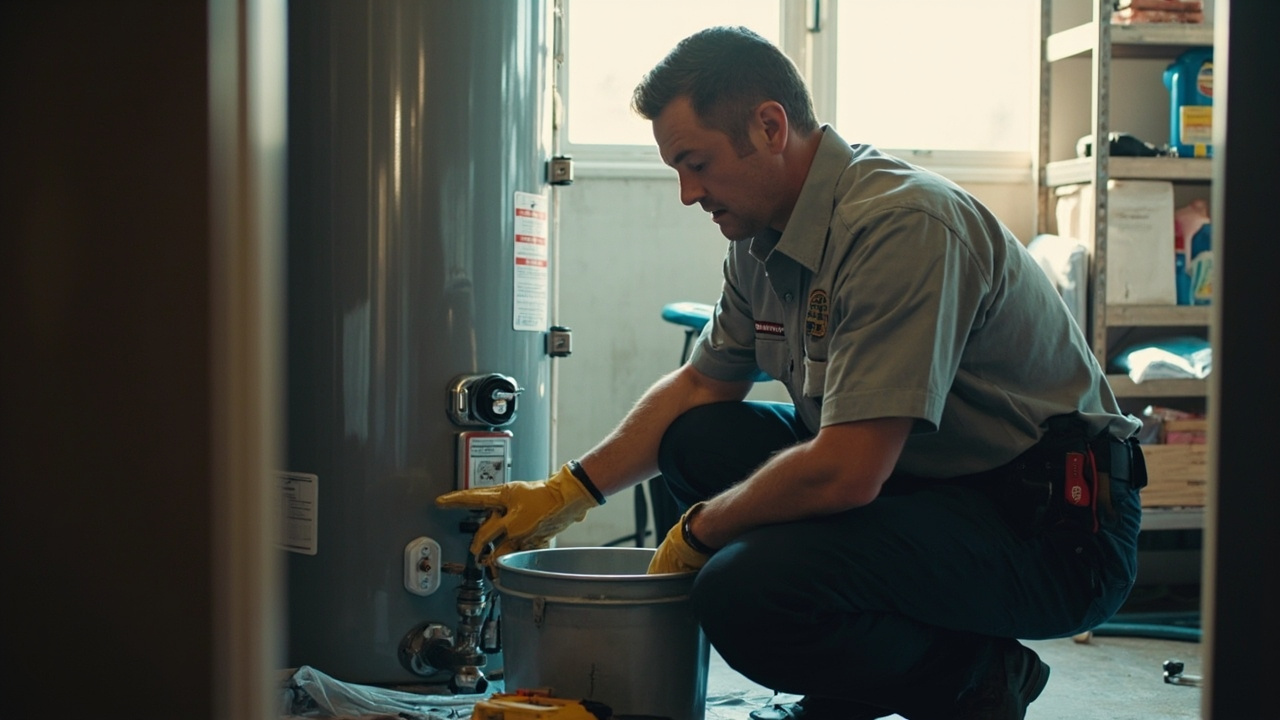
Sediment flushing requires understanding your specific water heater type. Tank-style units need quarterly partial flushes in Houston, not the annual flush most manufacturers recommend. We attach a garden hose to the drain valve and discharge water until it runs clear. The first gallon often looks like rust-colored sand. Tankless units require annual descaling with food-grade citric acid or vinegar solutions pumped through the heat exchanger to dissolve mineral scale.

Thermal expansion is a legitimate concern in closed plumbing systems. Houston amended its plumbing code to require backflow preventers on water mains. This creates a closed system where heated water has nowhere to expand, increasing pressure inside the tank. A properly sized expansion tank absorbs this pressure increase and protects both the water heater and your plumbing fixtures. We measure system pressure with a gauge and confirm the expansion tank's pre-charge pressure matches specifications.

Your Annual Water Heater Service Breakdown

Water Heater Maintenance Tips in Houston | Protect Your System from Hard Water and Heat Stress
01

System Assessment and Testing

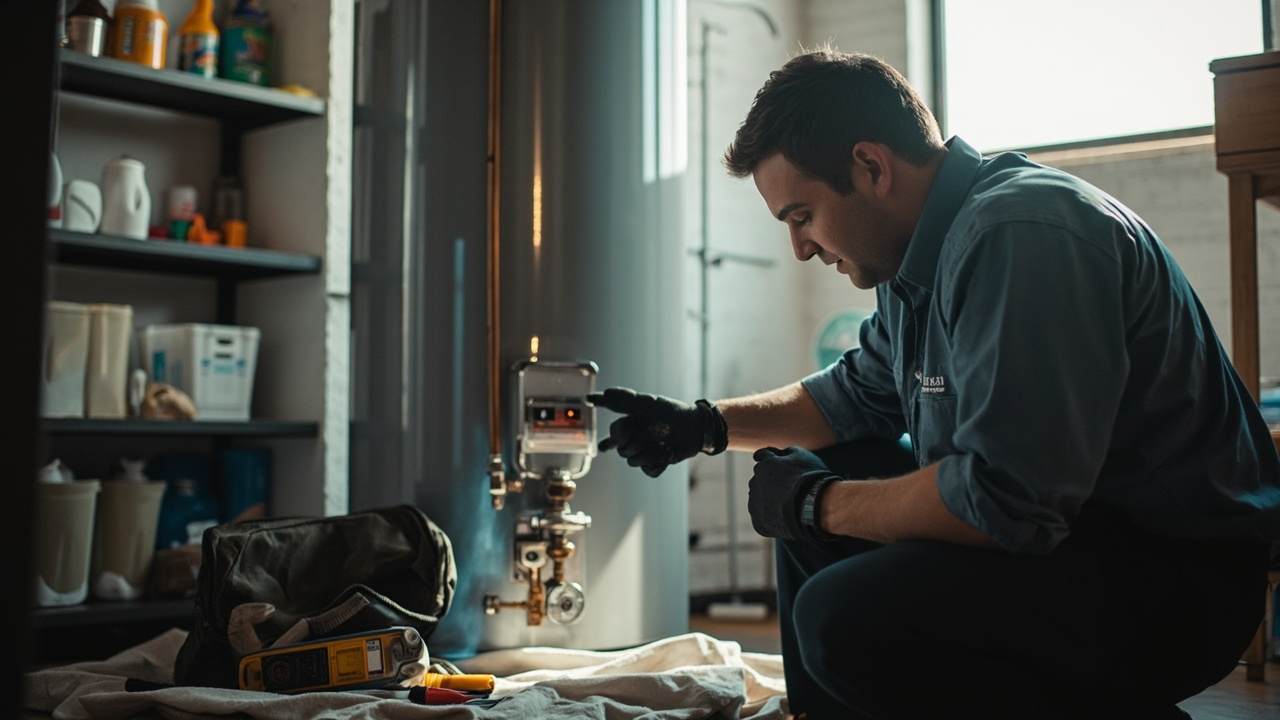
We start by checking incoming water pressure, testing the temperature and pressure relief valve operation, and measuring the actual water temperature at multiple fixtures. This baseline data reveals whether your system operates within manufacturer specifications. We inspect the venting system on gas units for proper draft and check for signs of backdrafting or carbon deposits that indicate incomplete combustion.
02

Sediment Removal and Flushing

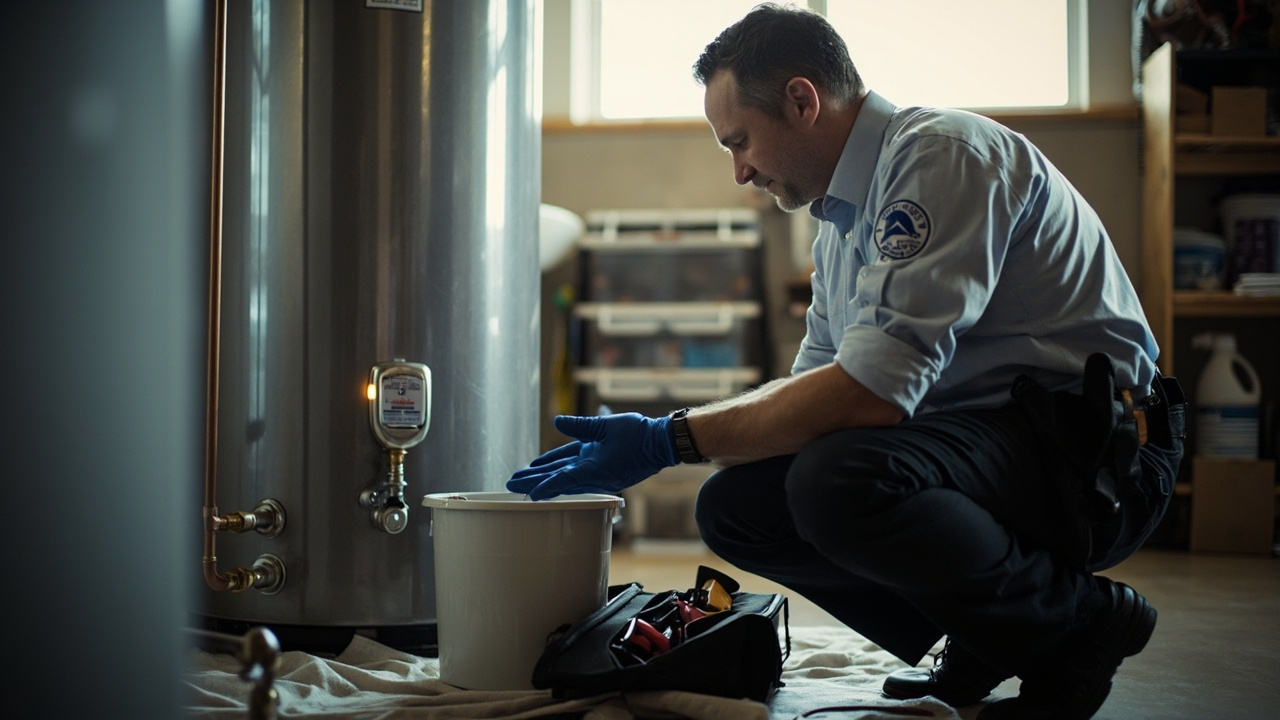
Full tank drainage eliminates the accumulated sediment layer at the bottom of your tank. We open the drain valve completely and monitor the discharge water clarity. Stubborn sediment sometimes requires multiple flush cycles or agitation of the tank contents. On older units with significant buildup, we may need to remove and clean the drain valve itself if mineral deposits restrict flow through the valve body.
03

Component Inspection and Documentation

After flushing, we remove and inspect the anode rod condition, measuring remaining thickness and checking for calcium buildup on the rod surface. We document burner flame pattern on gas units, checking for yellow-tipping that indicates improper combustion. Electric units get heating element continuity tests. You receive a written report with photos showing component condition and specific recommendations for replacement timelines based on actual wear, not guesswork.

Why Local Knowledge Changes Maintenance Outcomes

Atlas Plumbing Houston understands the specific failure patterns we see in Greater Houston systems. We know that water heaters in homes near the Ship Channel face different corrosion rates than units in Memorial or The Woodlands. Proximity to industrial areas changes the chemical composition of groundwater. Neighborhoods with older cast iron supply lines introduce iron oxide particles that accelerate anode rod depletion.

We adjust maintenance intervals based on your actual water quality, not generic manufacturer recommendations written for national audiences. A home in Katy with city water needs different service frequency than a property in Tomball on well water. The subdivision age matters. Newer developments often have PEX plumbing that introduces fewer particulates than older copper systems with corroded fittings.

Houston's building codes evolved significantly after major flooding events. We verify your installation meets current code requirements for earthquake strapping, combustion air supply, and venting configurations. Many older installations used single-wall vent pipes that no longer meet code. We identify these compliance gaps during routine maintenance visits before they become issues during home sales or insurance claims.

Our diagnostic approach accounts for Houston's unique infrastructure challenges. We have seen how foundation settling in expansive clay soils can stress water heater connections and create hidden leaks. We check for signs of movement, inspect flexible connectors for fatigue, and verify proper support. The same foundation issues that crack your driveway also affect your plumbing system, and we understand how these forces interact over time.

The water heater maintenance schedule we recommend reflects real-world Houston conditions, not textbook theory. This local calibration extends system lifespan and prevents the premature failures we see when homeowners follow generic maintenance advice designed for different climates and water conditions.

What Proper Water Heater Care Delivers

Scheduling and Service Windows

Annual maintenance visits take 60 to 90 minutes depending on your system type and condition. We schedule appointments in two-hour windows and call 30 minutes before arrival. Tank draining and flushing accounts for most of the service time, as we cannot rush the sediment removal process. If we discover components that need immediate replacement, we carry common parts like anode rods, drain valves, and temperature and pressure relief valves on our trucks. You get same-visit resolution for most issues without waiting for parts orders or return trips.

The Inspection Process Explained

Comprehensive water heater assessment covers 23 specific checkpoints. We examine the sacrificial anode rod condition, test combustion efficiency on gas units, verify proper venting and draft, inspect electrical connections and heating elements, check expansion tank pre-charge pressure, test temperature and pressure relief valve operation, measure actual water temperature against thermostat settings, inspect for signs of leaks or corrosion, and verify proper clearances around the unit. You receive a written report with photos documenting current conditions and clear recommendations for any needed repairs or component replacements.

System Performance After Service

Removing sediment buildup restores heat transfer efficiency. Most homeowners notice faster recovery times and more consistent water temperature after proper flushing. Gas units show improved burner flame patterns and reduced operating noise. The rumbling or popping sounds many people accept as normal disappear once we remove the insulating sediment layer that causes water to boil at the tank bottom. Your system operates quieter, heats water faster, and consumes less energy to maintain target temperature. These efficiency gains compound over the year, offsetting maintenance costs through reduced utility bills.

Long-Term Protection and Follow-Up

We maintain detailed service records for every system we maintain. This historical data lets us track component wear patterns and predict replacement needs before failures occur. If your anode rod showed 40 percent depletion at the last service, we know to check it again in 18 months rather than waiting another full year. Our maintenance program includes reminder notifications based on your specific service history, not generic calendar dates. We adjust recommendations as your system ages, accounting for the accelerated wear patterns that develop in older units.

Frequently Asked Questions

You Have Questions,
We Have Answers

What maintenance needs to be done on a water heater? +

Water heaters need regular flushing to remove sediment buildup, especially in Houston where hard water accelerates mineral deposits. Check the temperature and pressure relief valve annually by lifting the lever to ensure it operates smoothly. Inspect the anode rod every two to three years and replace it when corroded to prevent tank rust. Adjust the thermostat to 120 degrees Fahrenheit for energy savings and safety. Look for leaks around connections and the tank base. Test the drain valve periodically to prevent seizing. These tasks extend your unit's lifespan and maintain efficiency in Houston's demanding climate.

What happens if you don't flush your water heater? +

Sediment accumulates at the tank bottom when you skip flushing your water heater. This buildup acts as insulation between the burner and water, forcing your unit to work harder and increasing energy bills. The sediment layer causes hot spots that accelerate tank corrosion and shorten the lifespan. You will notice reduced hot water capacity and strange rumbling or popping noises as water bubbles through the sediment layer. In Houston's hard water conditions, these problems develop faster than in other regions. Eventually, the tank can fail prematurely, requiring expensive replacement instead of simple maintenance.

How often should you flush a water heater? +

Flush your water heater once per year as a baseline maintenance schedule. However, Houston residents should consider flushing every six months due to the area's hard water, which contains high mineral content. If you notice sediment in your hot water, rumbling noises, or reduced efficiency, flush more frequently. Tank-style gas units need more attention than electric models because sediment affects the burner directly. Check your water hardness level to determine your specific needs. Homes with extremely hard water may benefit from quarterly flushing. Set a calendar reminder each spring and fall to maintain consistency.

Can I do water heater maintenance myself? +

You can perform basic water heater maintenance yourself if you follow safety protocols. Tasks like flushing the tank, checking the temperature and pressure relief valve, and adjusting the thermostat are manageable for most homeowners. However, inspecting or replacing the anode rod requires some plumbing knowledge and tools. Gas water heaters involve additional safety concerns with the pilot light and gas connections. If you lack confidence or notice complex issues like persistent leaks, strange noises beyond sediment buildup, or inconsistent heating, call a licensed plumber. Houston's building codes also require professional installation and certain repairs to maintain compliance.

Can I flush my water heater myself? +

Yes, you can flush your water heater yourself with basic tools and safety precautions. Turn off the power or gas supply first. Connect a garden hose to the drain valve and run it outside or to a floor drain. Open the pressure relief valve to allow air in, then open the drain valve. Let water flow until it runs clear without sediment. Houston's hard water may require longer flushing time. Be careful as the water exits hot. If the drain valve is corroded or stuck, or you encounter complications, stop and contact a plumber to avoid causing damage or flooding.

What are the 7 elements of preventive maintenance? +

The seven elements of preventive maintenance for water heaters include routine flushing to remove sediment, temperature and pressure relief valve testing, anode rod inspection and replacement, thermostat adjustment for optimal performance, leak detection around connections and the tank, drain valve functionality checks, and combustion chamber inspection for gas units. These elements work together to extend equipment life and maintain efficiency. In Houston's climate, where humidity and hard water accelerate wear, following this schedule prevents premature failure. Document each maintenance activity with dates to track patterns and anticipate component replacement needs before catastrophic failure occurs.

Should I flush a 20 year old water heater? +

Flushing a 20 year old water heater carries risks because sediment has likely hardened and bonded to the tank bottom. Disturbing this layer can dislodge scale that clogs the drain valve or creates leaks where corrosion has thinned the tank walls. However, if the unit still functions well, a gentle partial flush might help. Open the drain valve briefly to remove loose sediment without fully draining the tank. Monitor closely for leaks afterward. Given the age, start budgeting for replacement regardless. Most water heaters last 8 to 12 years in Houston's hard water conditions, so yours has exceeded expectations.

Is flushing the same as draining? +

Flushing and draining are related but different processes. Draining means emptying the tank completely, typically for repairs, winterization, or replacement. Flushing means running water through the tank specifically to remove sediment while the unit remains operational. During flushing, you open both the drain valve and a hot water tap or the pressure relief valve to create flow that carries sediment out. You may drain and refill multiple times until the water runs clear. Draining is a one-time emptying action. Flushing is a cleaning process that uses water flow to purge mineral deposits and debris.

How much does it cost to flush a water heater? +

Professional water heater flushing in Houston typically costs between $80 and $150 for standard residential service. The price varies based on tank size, sediment severity, accessibility, and whether you need additional services like anode rod inspection or valve replacement. Some plumbing companies include flushing as part of annual maintenance packages, which can reduce the per-service cost. Emergency or weekend service carries premium pricing. The investment prevents costly premature replacement and maintains efficiency, saving money on energy bills. Get quotes from multiple licensed plumbers and ask what the service includes beyond basic flushing.

How much does a plumber charge to flush it? +

A licensed plumber in Houston charges $80 to $150 to flush a residential water heater during normal business hours. This rate includes labor, equipment, and disposal of drained water. Complex situations like severely clogged drain valves, corroded connections requiring repair, or difficult access locations increase the cost. Some plumbers charge a flat rate while others bill hourly, typically $75 to $125 per hour. Ask whether the quote includes inspecting the anode rod, testing the pressure relief valve, and checking for leaks. Bundling multiple maintenance tasks during one visit maximizes value and reduces the effective cost per service performed.

How Houston's Hard Water and Heat Accelerate Water Heater Failure

Houston's water supply comes from both surface sources like Lake Houston and groundwater wells throughout Harris County. Both sources carry dissolved minerals, but concentration varies by location. The northern suburbs typically see harder water than areas served by surface water treatment plants. This mineral content means every gallon heated in your tank leaves behind a small deposit. Over a year, those microscopic deposits accumulate into inches of sediment. The bottom third of neglected tanks can become completely filled with hardened scale, reducing effective capacity and forcing the heating element or burner to work continuously.

Local plumbing professionals who understand Houston's infrastructure challenges deliver better long-term outcomes. We have relationships with water quality labs and can test your specific water hardness, pH, and total dissolved solids. This data drives customized maintenance intervals. A property with 15 grains per gallon hardness needs quarterly attention, while a home with 5 grains might extend to semi-annual service. Generic national companies apply one-size-fits-all schedules that either waste your money with excessive service visits or leave your system vulnerable by stretching intervals too long.

Plumbing Services in The Houston Area

Explore our service area and locate Atlas Plumbing with ease. We’re proudly based in Houston and serve surrounding neighborhoods with fast, local plumbing solutions. Whether you need emergency assistance or routine service, we’re just around the corner. Use the map below to check our coverage area or stop by our office for in-person assistance. Our friendly team is ready to help and answer any questions you may have. Experience prompt, professional plumbing service close to home—reach out or visit today!

Address:
Atlas Plumbing Houston, 2200 Post Oak Blvd, Houston, TX, 77056

Additional Services We Offer

Our news updates

Latest Articles & News from The Blogs

Persistent toilet backups cause significant stress for homeowners in West University Place. Living in the 77005 area means dealing with…

Quick Solutions for Frequent Toilet Backups in West University Place

Persistent toilet backups cause significant stress for homeowners in West University Place. Living in the 77005 area means dealing with…

How to Handle a Burst Pipe in The Woodlands Without Flooding Your Home

Immediate Actions for a Burst Pipe in The WoodlandsA burst pipe in your home creates a high stress situation that…

Luxury Toilet Selection in Hunters Creek Village (Kohler vs Toto)

Luxury Toilet Selection in Hunters Creek Village (Kohler vs Toto)Homeowners in Hunters Creek Village expect the highest performance from their…

Contact Us

Protect your investment with maintenance calibrated for Houston water and climate. Call Atlas Plumbing Houston at (281) 572-0079 to schedule your comprehensive water heater inspection and service. Same-week appointments available for residential and commercial properties throughout the Greater Houston area.