menu

Complete Plumbing Inspection Checklist for Houston Homes – Prevent Costly Repairs Before They Start

Access a detailed plumbing inspection checklist designed specifically for Houston's unique climate challenges, helping you catch problems early and avoid emergency repairs.

Slider Image 1
Slider Image 2
Slider Image 3
Slider Image 4
Slider Image 5
Slider Image 7
Slider Image 8
Slider Image 9
Slider Image 10
Slider Image 11

Why Houston Homes Need Regular Plumbing System Inspections

Houston's expansive clay soil shifts constantly with moisture changes, putting stress on underground supply lines and drain pipes throughout the year. When the ground swells during heavy rain, pipes can buckle. When drought hits, the soil contracts and creates voids that cause sag and separation at joints. This cycle happens faster here than in most cities because of our extreme humidity swings and intense summer heat.

A residential plumbing checkup list helps you stay ahead of these environment-driven failures. Most Houston homeowners wait until they see water pooling in the yard or notice low pressure at fixtures. By then, you're looking at excavation, not prevention. A home plumbing inspection list walks you through every vulnerable point in your system, from the main line shut-off valve to the farthest hose bib.

Your plumbing system inspection guide should account for Houston-specific risks. Cast iron drain lines common in homes built before 1980 corrode faster in our humid air. PVC supply lines installed in shallow trenches can warp under summer heat if they lack proper bedding. Slab foundations hide leaks until significant damage occurs. Galvanized pipes deteriorate internally, reducing flow without visible signs.

A preventative plumbing maintenance checklist gives you a framework to inspect what matters before small issues turn into insurance claims. You check what you can see, test what you can measure, and know when to call Atlas Plumbing Houston for the technical inspections that require specialized tools and training.

Why Houston Homes Need Regular Plumbing System Inspections
What a Professional Plumbing Maintenance Checklist Covers

What a Professional Plumbing Maintenance Checklist Covers

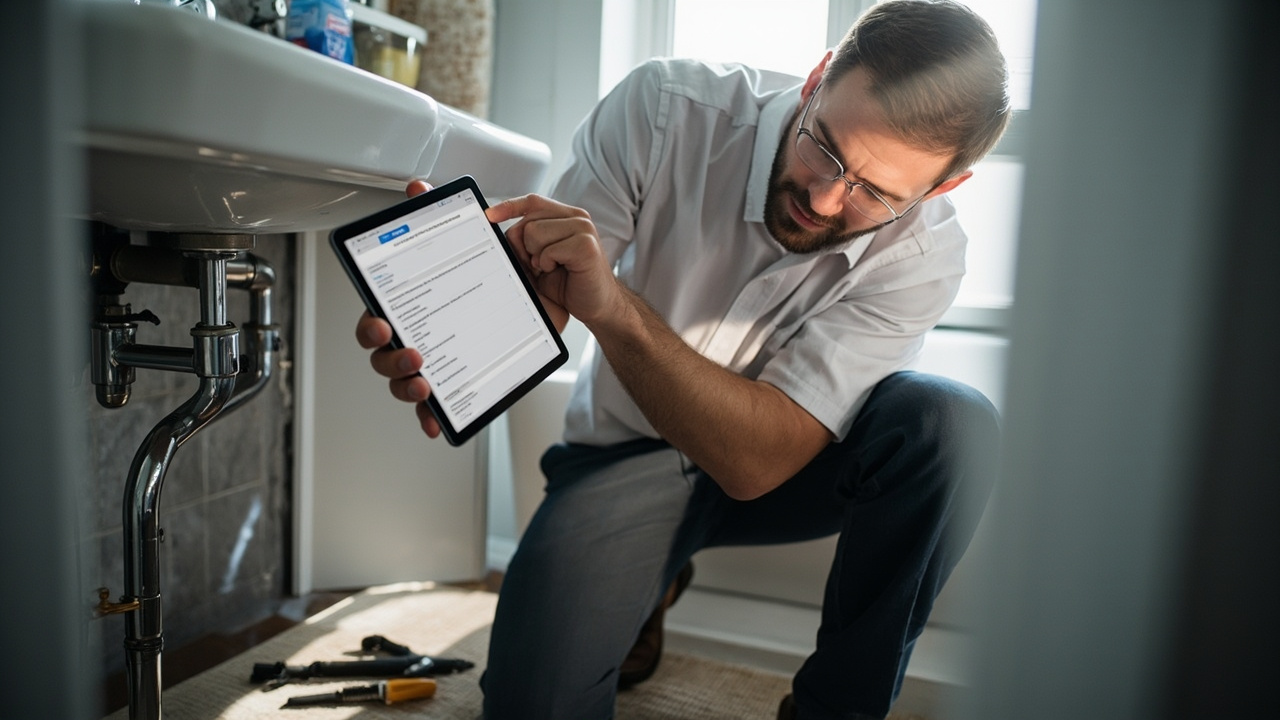
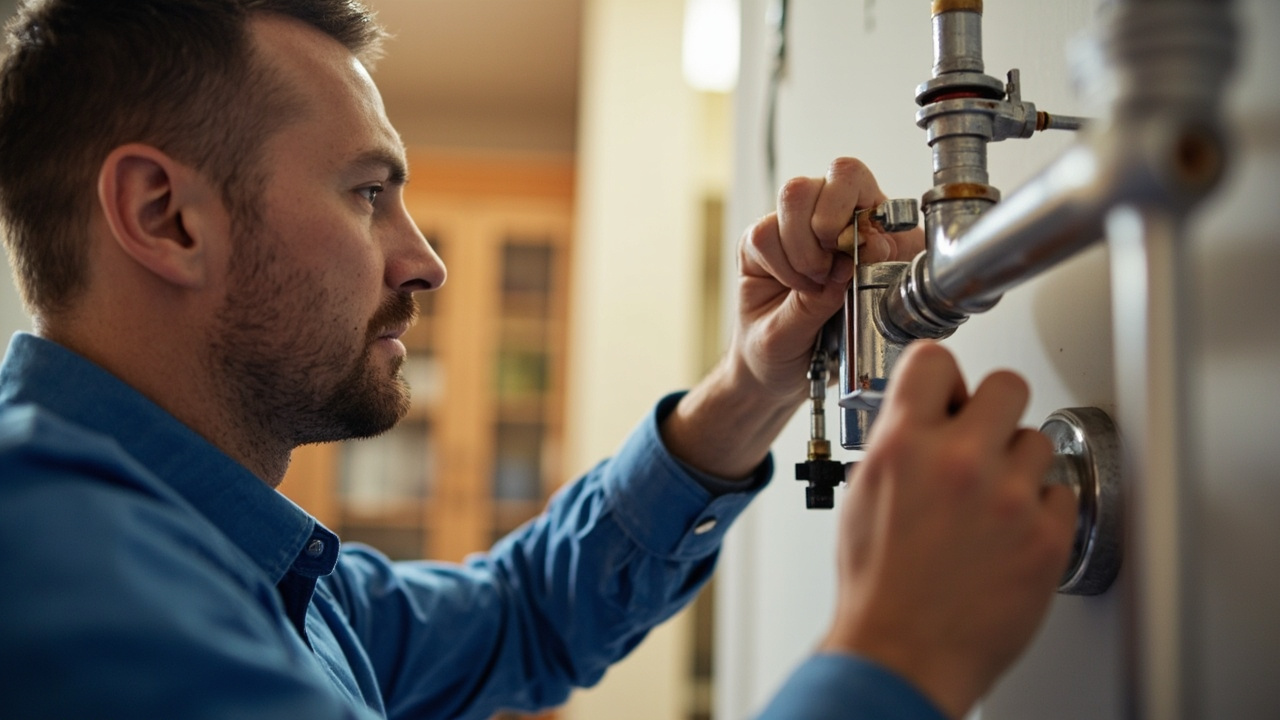
A complete plumbing inspection checklist divides your system into zones. Each zone has specific failure points that require different inspection methods. Start with water supply. Check the main shut-off valve for operation and leaks. Inspect exposed supply lines under sinks and behind toilets for corrosion, mineral buildup, or flex line deterioration. Run all fixtures and note pressure variations that indicate partial blockages or failing pressure regulators.

Move to drainage. Pour water down every drain and listen for gurgling, which signals venting problems or partial clogs. Check all visible trap connections for leaks. Inspect cleanout caps for corrosion or previous backups. Look under sinks for cabinet damage from slow leaks you haven't noticed yet. Test all toilets for base seal integrity by checking for movement or soft flooring around the base.

Water heater inspection requires attention to anode rod condition, sediment accumulation, and pressure relief valve function. Houston's hard water accelerates tank corrosion and element failure. Flush the tank to evaluate sediment levels. Check the temperature setting and relief valve discharge pipe termination. Inspect all connections for mineral deposits that indicate active or past leaks.

Exterior inspection covers hose bibs, main line routing, and sprinkler system backflow preventers. Check for standing water near the foundation that suggests underground leaks. Inspect the area around your water meter for soft soil or unusual grass growth. Walk your property after heavy rain to identify drainage issues that could affect underground plumbing. These exterior checks catch problems before they migrate into your foundation or crawl space.

How to Use Your Residential Plumbing Checkup List

Complete Plumbing Inspection Checklist for Houston Homes – Prevent Costly Repairs Before They Start
01

Systematic Room-by-Room Review

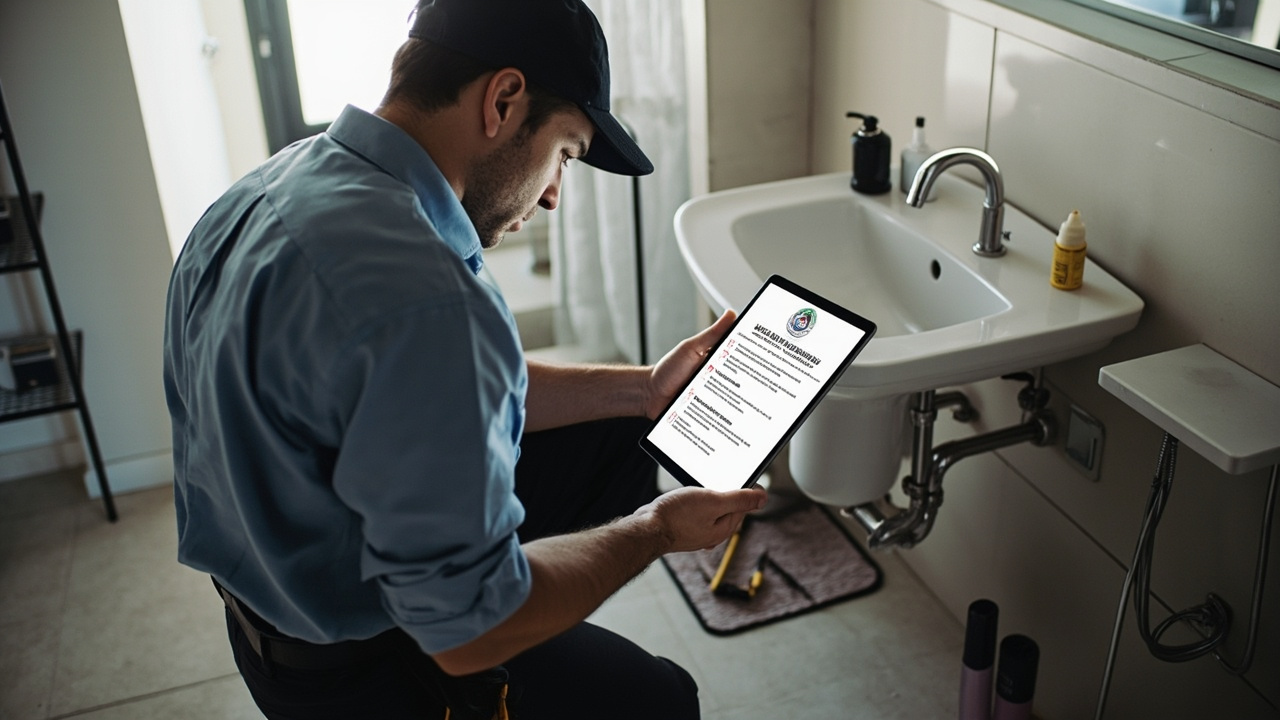
Start at the main water entry point and work through each room methodically. Document every fixture, valve, and visible pipe section. Take photos of areas that show wear or minor leaks. Note fixture ages and any previous repairs. This baseline record helps you track changes over time and identify patterns that indicate developing problems before they cause damage.
02

Functional Testing Protocol

Run each fixture through its full range of operation. Open valves completely, then close them to check for smooth operation and proper shut-off. Flush toilets and watch for complete bowl clearing and proper refill cycles. Run water in sinks while watching trap connections for leaks. Listen for unusual sounds like hammering, whistling, or prolonged running after fixtures close.
03

Priority Assessment and Action

Categorize findings into immediate concerns, items needing professional evaluation, and routine maintenance tasks. Active leaks and non-functioning shut-offs require immediate attention. Corroded fittings, failing seals, and aging components need professional assessment. Aerator cleaning, trap inspection, and hose replacement fall into routine maintenance you can handle yourself or schedule during regular service calls.

Why Houston Homeowners Trust Atlas Plumbing Houston for System Inspections

Atlas Plumbing Houston understands how local conditions accelerate plumbing system deterioration. We see the patterns other companies miss because we work exclusively in this region and know what fails first in Houston homes. Our technicians recognize the difference between normal wear and environment-driven damage that requires specific remediation strategies.

We use diagnostic tools calibrated for Houston's water chemistry and pressure profiles. Our camera inspection equipment navigates the collapsed sections and root intrusions common in older Houston neighborhoods. Our pressure testing protocols account for the variation between City of Houston municipal supply and MUD district systems that serve many suburban areas. We know which pipe materials perform well here and which ones fail predictably based on installation era and location factors.

Our inspection reports prioritize findings based on failure probability and potential damage severity. You get a clear picture of what needs immediate attention and what you can monitor over time. We don't upsell unnecessary replacements, but we also don't minimize problems that will cost more if you wait. Our goal is to help you make informed decisions based on accurate technical assessment.

Local building code knowledge matters during inspections. We identify previous work that doesn't meet current standards and explain how that affects insurance coverage or future sale complications. We know which permit requirements apply to different repair scenarios and help you avoid compliance issues. Our relationships with local inspectors streamline any work that requires city approval. You get straightforward guidance rooted in daily experience with Houston's regulatory environment and infrastructure realities.

What to Expect from a Professional Plumbing System Inspection

Inspection Timeframe and Scheduling

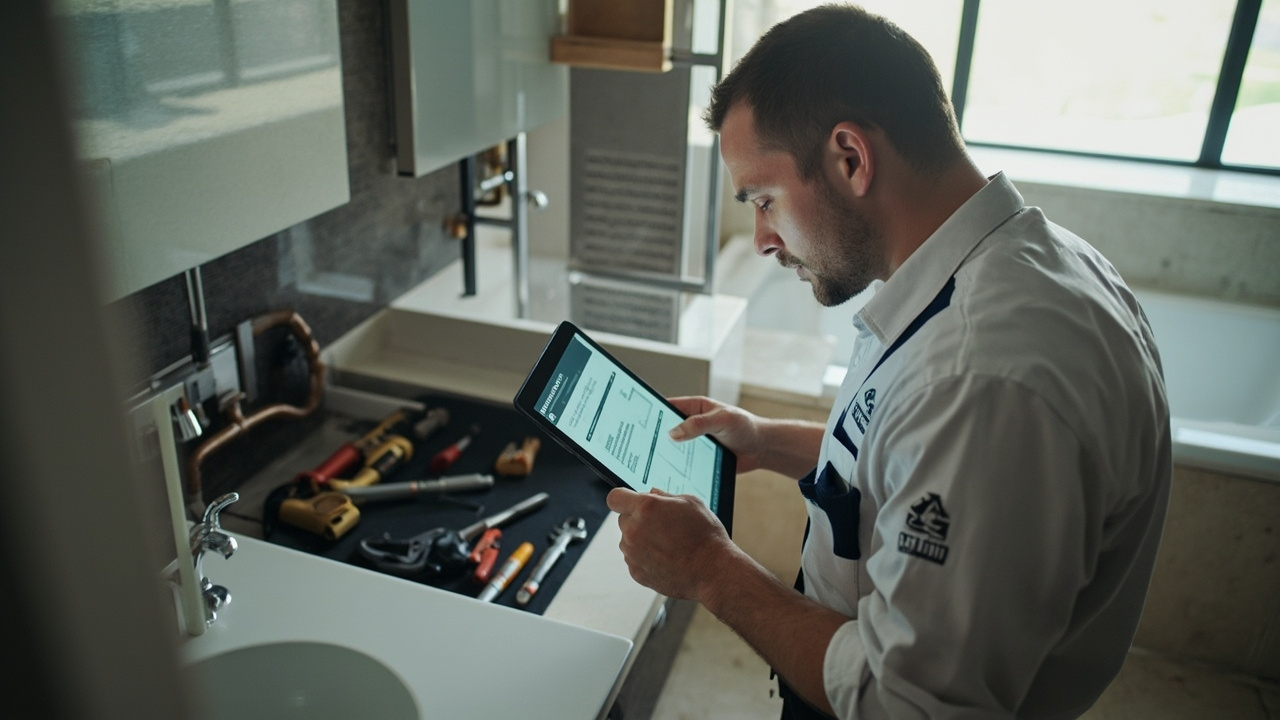
A thorough residential plumbing inspection takes two to four hours depending on home size and system complexity. We schedule appointments with arrival windows you can count on. Our technicians arrive with all necessary diagnostic equipment to complete the inspection in one visit. We work around your schedule and accommodate requests for specific arrival times when possible. Most homeowners schedule inspections during home purchases, after major storms, or as part of annual maintenance planning.

Comprehensive System Assessment

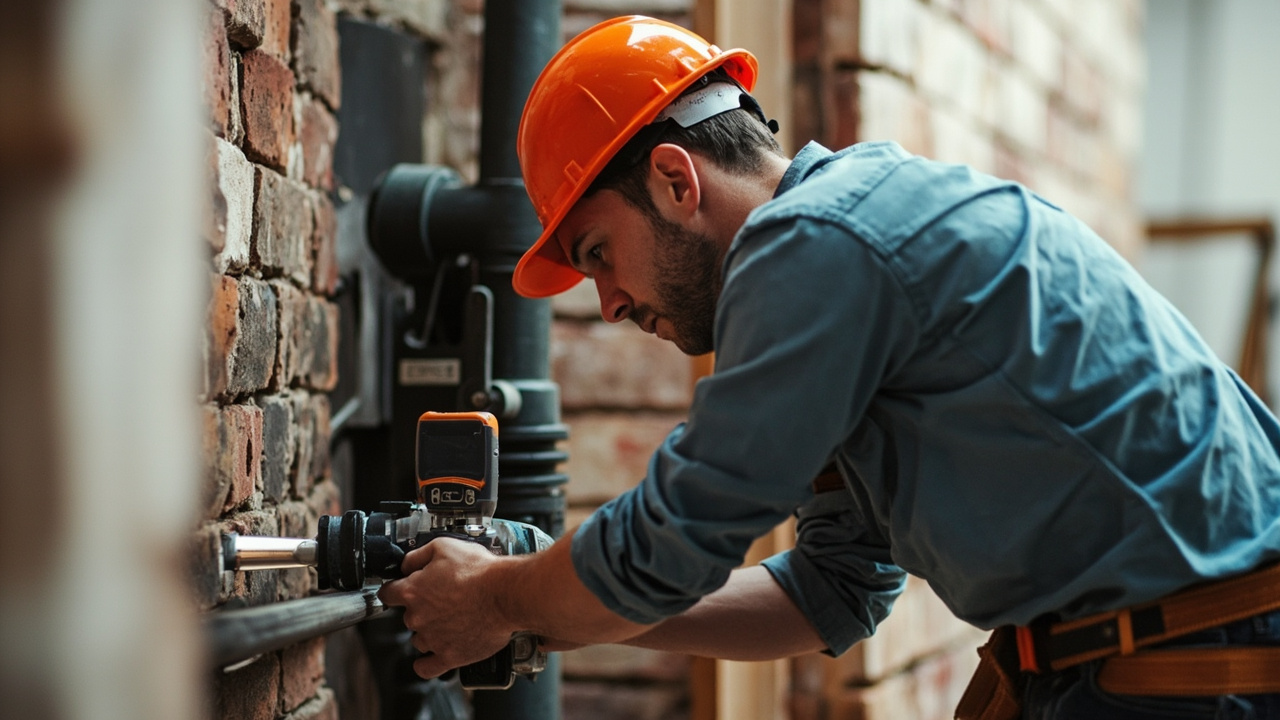
Our inspection covers every accessible component of your plumbing system. We test water pressure at multiple fixtures, inspect all visible supply and drain lines, evaluate water heater condition, check shut-off valve operation, and camera-inspect main drain lines when access permits. We perform dye tests on toilets to check for hidden leaks and use moisture meters on walls and floors near plumbing fixtures. You receive detailed documentation of all findings with photos of problem areas.

Clear Reporting and Recommendations

You get a written report that categorizes findings by urgency and explains the reasoning behind each recommendation. We separate immediate safety concerns from efficiency improvements and routine maintenance items. Each problem includes a clear explanation of what's wrong, why it matters, and what happens if you delay repair. We provide repair options when multiple approaches exist and explain the advantages of each method for your specific situation.

Follow-Up Support and Prevention Planning

After inspection, we help you prioritize repairs based on your timeline and budget. We provide detailed estimates for recommended work and explain which items you can defer safely. Our team remains available to answer questions as you review the report and make decisions. We also create a customized maintenance schedule based on your system's age, condition, and the specific challenges of your property. Follow-up inspections track previously identified concerns and catch new issues early.

Frequently Asked Questions

You Have Questions,
We Have Answers

What does a plumbing inspection consist of? +

A plumbing inspection examines your water supply, drainage, and fixture condition. Inspectors check water pressure, test faucets and toilets for leaks, and examine visible pipes for corrosion or damage. They assess water heater operation, look for signs of moisture damage, and test drainage speed. In Houston homes, inspectors pay close attention to foundation shifting effects on pipes and high humidity impacts. The inspection includes checking gas lines if present, verifying proper venting, and identifying code violations. Inspectors also examine sewer lines, often using cameras to detect root intrusion or bellied pipes common in older Houston neighborhoods with mature trees.

What are the 5 main items you should inspect for at a drain detail? +

At a drain detail, you should inspect five critical elements. First, check the trap seal for proper depth to prevent sewer gas entry. Second, examine slope and alignment because Houston's clay soil can shift pipes over time. Third, look for proper venting to ensure drainage speed and prevent airlock. Fourth, inspect for visible leaks, corrosion, or mineral buildup at connections. Fifth, test drainage flow rate by running water to identify slow drains or clogs. Pay attention to gurgling sounds, which signal venting issues. These checks prevent backups and maintain proper waste removal from fixtures.

What would make a house fail a home inspection? +

Major structural issues cause inspection failures. Foundation problems from Houston's expansive clay soil top the list, creating cracked slabs and shifted walls. Electrical hazards like outdated wiring, missing GFCI outlets near water sources, or overloaded panels fail inspections. Severe plumbing leaks, improper drainage, or sewer line issues warrant failure. Roof damage with active leaks or extensive deterioration raises red flags. HVAC systems that do not function or pose safety risks fail. Mold growth, termite damage, or inadequate ventilation also cause failures. Missing permits for unprofessional additions or alterations can stop a sale until corrected.

What should be included in the inspection checklist? +

A comprehensive plumbing inspection checklist covers water supply lines, drainage systems, and fixtures throughout your home. It should include water heater examination, pressure testing, leak detection at all fixtures, and pipe material assessment. Check for proper venting, test all drains for flow rate, and inspect visible pipes for corrosion. Include sewer line evaluation, particularly important in older Houston homes where tree roots penetrate clay pipes. Document water pressure readings, test shut-off valves, examine toilet seals, and verify proper slope on drain lines. Note any code violations, outdated materials like polybutylene pipes, or signs of previous repairs.

What is the biggest red flag in a home inspection? +

Active water intrusion ranks as the biggest red flag during home inspections. This signals ongoing leaks, roof damage, or foundation issues that worsen rapidly in Houston's humid climate. Water damage promotes mold growth, wood rot, and structural deterioration. Inspectors treat moisture as urgent because it indicates multiple potential failures. Foundation cracks with moisture, ceiling stains, or soft flooring demand immediate attention. Electrical hazards near water sources also raise major concerns. Unlike cosmetic issues you can address later, active water problems require immediate remediation to prevent exponential damage. This red flag often derails transactions until properly resolved.

How much does it cost to have a plumbing inspection? +

Plumbing inspections typically range from 150 to 400 dollars for residential properties in Houston. Basic visual inspections cost less, while comprehensive evaluations with camera inspections of sewer lines cost more. Property size, age, and system complexity affect pricing. Older homes require more detailed assessments. Sewer camera inspections add 200 to 300 dollars but prove valuable in Houston where tree roots and shifting soil damage underground lines. Commercial properties cost significantly more due to system complexity. Many plumbers bundle inspections with other services. Getting multiple quotes helps, but prioritize experience with Houston-specific issues like foundation movement effects on piping.

What is a 7 point inspection? +

A seven-point inspection is not a standard plumbing term. You might be thinking of automotive inspections or general home assessments. In plumbing contexts, inspections follow systematic protocols covering water supply, drainage, fixtures, water heaters, gas lines, venting, and code compliance. Some inspectors create custom checklists with seven categories, but this varies by company. For Houston homes, comprehensive plumbing evaluations examine all visible components plus underground concerns. If you received a quote mentioning a seven-point inspection, ask the provider to clarify what specific areas they cover to ensure it meets your needs.

How much does a drain inspection cost? +

Drain camera inspections cost between 200 and 500 dollars in Houston, depending on line length and access difficulty. Basic inspections for accessible cleanouts cost less. Lines requiring excavation to access or longer sewer runs to the street connection cost more. This investment identifies root intrusion, bellied pipes from soil settlement, and hidden damage before you buy a home or after recurring clogs. Houston's mature trees and shifting clay soil make camera inspections valuable for properties over 20 years old. The footage provides documentation of pipe condition and pinpoints exact problem locations, saving money on unnecessary exploratory digging.

What are the three phases of plumbing that require inspection? +

Plumbing requires three inspection phases during construction. The underground rough-in inspection occurs after drain and water supply lines are installed but before concrete slab pouring. Inspectors verify proper slope, materials, and connections. The top-out or rough-in inspection happens after walls are framed with pipes installed but before drywall covers them. Inspectors check venting, water supply routing, and fixture placement. The final inspection occurs after fixture installation and system completion. Inspectors test pressure, check for leaks, and verify code compliance. In Houston, inspectors pay extra attention to proper foundation preparation during underground phases due to soil movement concerns.

What is the riskiest part of a home inspection? +

The riskiest part of home inspections involves hidden defects inspectors cannot see. Buried sewer lines, concealed foundation damage, and problems behind finished walls escape visual detection. In Houston, underground issues prove particularly risky because clay soil shifts constantly, damaging pipes and foundations over time. Inspectors cannot remove drywall or dig up yards during standard inspections. Previous owners sometimes cover problems with cosmetic repairs. Electrical issues hidden in walls, plumbing leaks within slab foundations, and roof decking damage under shingles remain undetected. This explains why buyers should request specialized inspections like sewer cameras for older Houston homes.

How Houston's Clay Soil and Water Quality Affect Your Plumbing System

Houston sits on expansive clay that creates unique stress on underground plumbing. The soil swells up to 10 percent during wet periods and contracts equally during drought. This movement flexes pipes, separates joints, and cracks fittings over time. Older cast iron and clay drain lines fracture at connection points. PVC supply lines develop stress cracks at elbows and tees. Your plumbing maintenance checklist must account for this constant ground movement by prioritizing inspection of buried lines and foundation penetrations where shifting causes the most damage.

Local water quality creates specific maintenance needs that generic checklists miss. Houston water contains moderate to high mineral content that accelerates sediment buildup in water heaters and creates scale deposits in supply lines. Chloramine treatment protects against bacteria but degrades rubber gaskets and seals faster than traditional chlorine. A home plumbing inspection list designed for this area focuses on components vulnerable to these specific conditions. Atlas Plumbing Houston built our inspection protocols around the failures we see most often in local homes, not generic national standards that don't reflect Houston's environment.
Plumbing Services in The Houston Area

Explore our service area and locate Atlas Plumbing with ease. We’re proudly based in Houston and serve surrounding neighborhoods with fast, local plumbing solutions. Whether you need emergency assistance or routine service, we’re just around the corner. Use the map below to check our coverage area or stop by our office for in-person assistance. Our friendly team is ready to help and answer any questions you may have. Experience prompt, professional plumbing service close to home—reach out or visit today!

Address:
Atlas Plumbing Houston, 2200 Post Oak Blvd, Houston, TX, 77056

Additional Services We Offer

Our news updates

Latest Articles & News from The Blogs

Cypress homeowners often struggle with drains that refuse to stay clear. When you live in neighborhoods like Bridgeland or Fairfield,…

Professional Drain Cleaning in Cypress That Clears the Clog for Good

Cypress homeowners often struggle with drains that refuse to stay clear. When you live in neighborhoods like Bridgeland or Fairfield,…

Why Tech Forward Homeowners in Memorial are Swapping to Touchless Kitchen Faucets

Smart Kitchen Upgrades in Memorial Homes for 2026Homeowners in the Memorial area are leading the shift toward smarter more efficient…

Best Sink Materials for Pairing With Your Copperfield Granite Countertops

Upgrading your kitchen in Copperfield requires a deep understanding of how different materials interact with the heavy granite countertops popular…

Contact Us

Don't wait for a leak to discover system problems. Call Atlas Plumbing Houston at (281) 572-0082 to schedule your detailed plumbing inspection. We'll evaluate your entire system and provide a clear action plan that protects your home and prevents emergency repairs.