menu

No Hot Water Diagnosis in Houston – Expert Problem Identification in Under 60 Minutes

Atlas Plumbing Houston provides same-day diagnostic services to identify water heater issues fast, so you know exactly what's wrong and what it takes to fix it.

Slider Image 1
Slider Image 2
Slider Image 3
Slider Image 4
Slider Image 5
Slider Image 7
Slider Image 8
Slider Image 9
Slider Image 10
Slider Image 11

Why Your Water Heater Stopped Working in Houston

You turn the faucet expecting hot water. Instead, you get ice-cold disappointment. This problem happens suddenly, and it always seems to strike at the worst time.

Houston's mineral-heavy water accelerates sediment buildup inside your tank. The calcium and magnesium in our tap water form a crusty layer at the bottom of the heater. This barrier insulates the heating element from the water it's supposed to warm. Over time, the unit works harder but delivers less heat.

High humidity in our region also corrodes anode rods faster than in drier climates. Once the anode rod degrades, the tank itself starts rusting. A corroded tank leaks. A leaking tank fails completely.

When you lose hot water, the causes range from simple to serious. A tripped breaker is an easy fix. A failed heating element requires replacement. A cracked tank means you need a new unit entirely. You cannot diagnose lack of hot water by guessing. You need a professional to identify water heater issues accurately.

Homeowners often troubleshoot water heater problems by checking the pilot light or resetting the breaker. These steps work sometimes. But water heater malfunction symptoms often point to problems hidden inside the tank or within the gas line. You need diagnostic equipment and experience to find the real issue.

The longer you wait to diagnose the problem, the worse it gets. A small leak becomes water damage. A failing element burns out completely. Cold showers are just the beginning.

Why Your Water Heater Stopped Working in Houston
How Atlas Plumbing Houston Diagnoses Water Heater Failures

How Atlas Plumbing Houston Diagnoses Water Heater Failures

We do not guess. We test, measure, and inspect every component that affects hot water delivery.

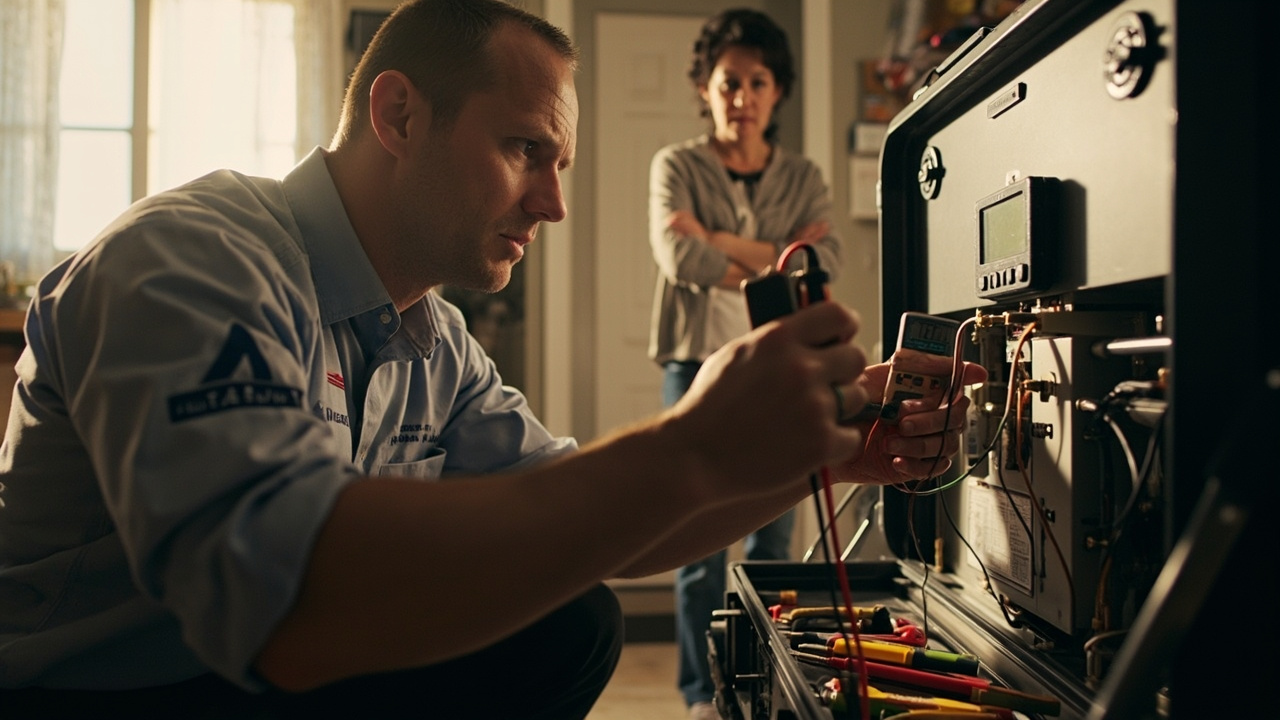
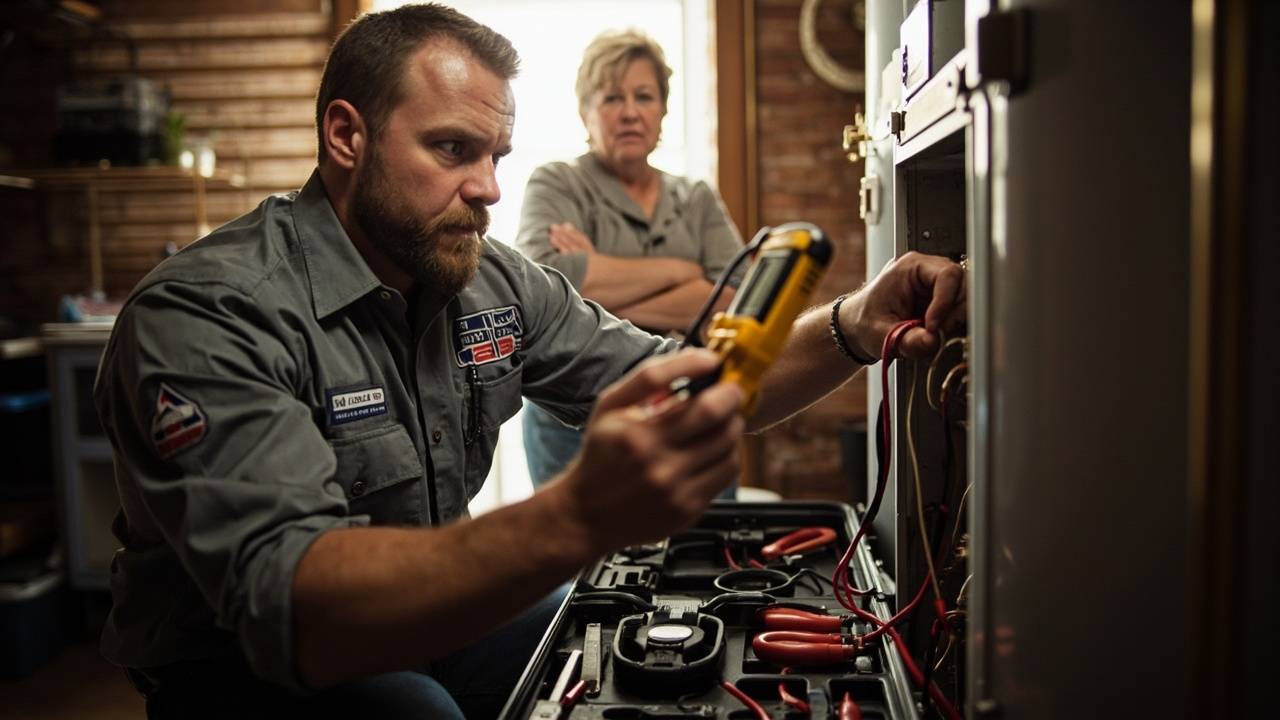
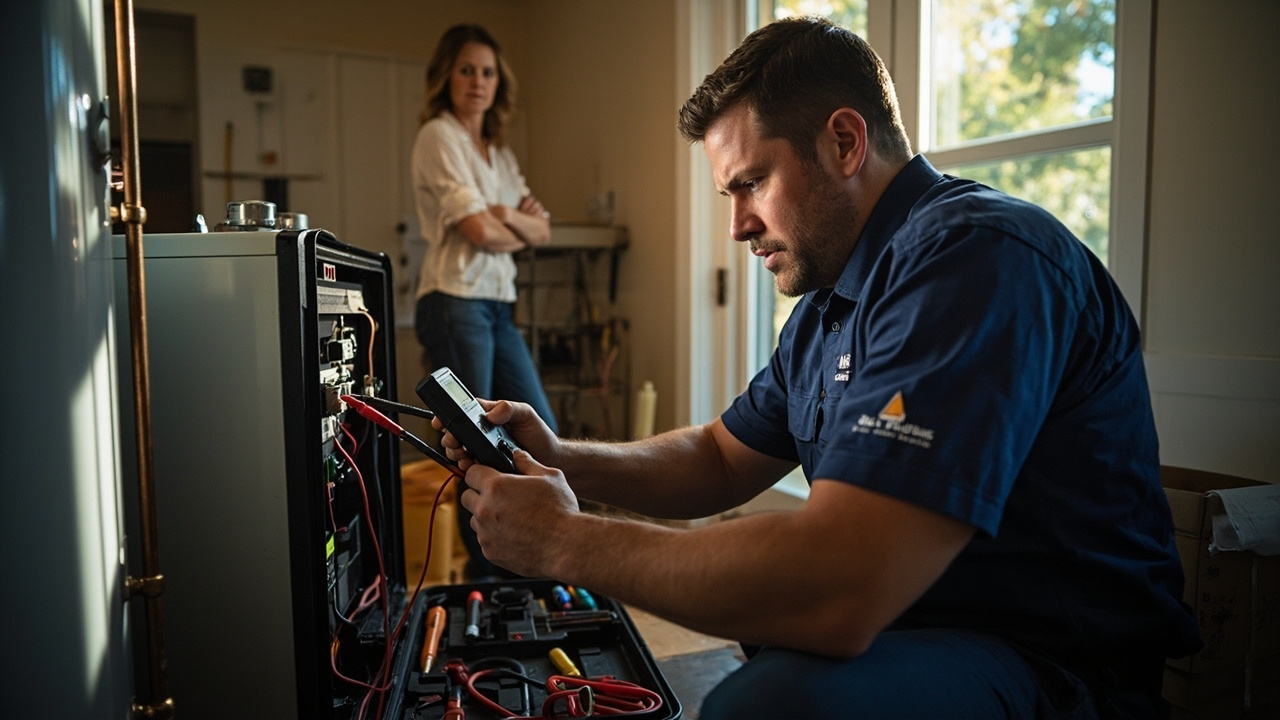
Our technicians start by checking electrical continuity on heating elements using a multimeter. If the element shows no resistance, it's burned out. We test the thermostat with voltage readings to confirm it's sending power correctly. A faulty thermostat cuts power to the element even when the water is cold.

For gas units, we inspect the thermocouple. This safety device shuts off gas flow if the pilot light goes out. A malfunctioning thermocouple prevents ignition. We test for proper millivolt output to confirm the thermocouple is generating enough voltage to open the gas valve.

We drain sediment from the tank to measure accumulation levels. Excessive sediment causes popping sounds and reduces heating efficiency. If the buildup is severe, flushing alone will not restore function. The heating element may already be damaged.

We inspect the pressure relief valve for leaks and proper operation. A stuck valve allows dangerous pressure buildup. A leaking valve wastes water and signals internal corrosion.

We check the dip tube, which directs cold water to the bottom of the tank. If the dip tube breaks, cold water mixes with hot water at the top. You get lukewarm water instead of scalding hot.

Atlas Plumbing Houston uses thermal imaging to detect hot spots and cold zones inside the tank. This technology reveals circulation problems and dead heating zones invisible to the naked eye. We document everything and explain exactly what failed and why.

What Happens During Your Diagnostic Appointment

No Hot Water Diagnosis in Houston – Expert Problem Identification in Under 60 Minutes
01

Initial System Assessment

Our technician inspects your water heater's age, model, and fuel source. We check for visible leaks, corrosion, and unusual sounds. We test water temperature at multiple faucets to determine if the problem is isolated or system-wide. We ask when you first noticed the issue and whether you've experienced intermittent problems. This information narrows the diagnostic focus and saves time.
02

Component Testing and Measurement

We use diagnostic tools to test electrical circuits, gas pressure, and thermostat calibration. We measure voltage at the heating elements, check thermocouple output, and inspect anode rod condition. We drain a sample of water from the tank to assess sediment levels. Each test reveals whether a specific component is functioning within manufacturer specifications or requires replacement.
03

Diagnosis Report and Recommendations

We explain what we found in plain language. You receive a written diagnostic report listing all failed components and recommended repairs. We provide cost estimates for each fix and explain which repairs are urgent versus optional. If your unit is beyond economical repair, we discuss replacement options. You make the final decision with complete information.

Why Houston Homeowners Trust Atlas Plumbing Houston for Water Heater Diagnostics

You need someone who understands how Houston's water chemistry affects your equipment. We diagnose water heaters in this city every day. We know the patterns. We know which parts fail first in our climate.

Generic plumbers follow a checklist. We adapt our diagnostic approach based on your water heater's brand, age, and installation environment. A unit in a garage faces different stresses than one in a climate-controlled closet. We account for these variables.

We carry diagnostic tools other companies skip. Thermal imaging cameras cost thousands of dollars. Most plumbers rely on visual inspection and basic voltage testers. We invest in technology that finds problems faster and more accurately.

Our technicians receive ongoing training on new water heater models and diagnostic techniques. Manufacturers change component designs constantly. What worked to troubleshoot last year's model may not apply to this year's unit. We stay current.

We do not upsell unnecessary repairs. If your water heater only needs a new heating element, we tell you that. If the tank is rusted through and replacement is the only safe option, we tell you that too. Our diagnostic process eliminates guesswork and prevents wasted money on partial fixes.

Houston's building codes require specific venting configurations and safety devices. We ensure any recommended repairs meet local code requirements. A repair that passes inspection in another city might fail here. We know the difference.

Atlas Plumbing Houston also understands the urgency. You need hot water for showers, laundry, and dishes. We prioritize diagnostic appointments and provide same-day service when possible. Once we identify the problem, we can often complete the repair immediately if you approve the work.

What to Expect From Our Diagnostic Service

Fast Response Times

We schedule diagnostic appointments within 24 hours of your call in most cases. Our technicians arrive during the scheduled window, not hours late. We understand that lack of hot water disrupts your household routine. The faster we diagnose the issue, the faster you can decide on a repair plan. If parts are in stock and you approve the work, we complete repairs the same day. Emergency diagnostic services are available for urgent situations.

Comprehensive Testing Protocol

Our diagnostic service includes a full system inspection, electrical or gas component testing, water temperature measurements, pressure testing, and sediment analysis. We do not stop at the first problem we find. Multiple issues often contribute to water heater failure. We test every component that could cause your symptoms. You receive a complete picture of your water heater's condition, not a surface-level guess.

Clear Diagnostic Report

We provide a written report documenting all test results and identified problems. The report lists failed components, their condition, and recommended actions. We explain the severity of each issue. Some problems pose safety risks and require immediate attention. Others are inconveniences you can address on your timeline. We include photos when helpful. You receive honest, transparent information to make an informed repair decision.

Follow-Up Support

After we diagnose your water heater, we remain available to answer questions about the findings or repair options. If you choose to have us complete the repairs, we provide follow-up service to ensure everything works correctly. We also offer maintenance recommendations to prevent future failures. Atlas Plumbing Houston tracks your service history, so we can reference past diagnostics if problems recur. You are not abandoned after the diagnosis.

Frequently Asked Questions

You Have Questions,
We Have Answers

What is the most common cause of no hot water? +

The most common cause of no hot water is a failed heating element in electric water heaters or a malfunctioning gas pilot light or burner in gas units. In Houston, our hard water accelerates sediment buildup at the tank bottom, which insulates the heating element and causes premature failure. Tripped breakers and faulty thermostats also rank high. For older units past 10 years, the issue often stems from corrosion or a failing anode rod. Houston's high humidity can also corrode electrical connections on tank exteriors, interrupting power flow to heating elements.

How to diagnose no hot water? +

Start by checking your circuit breaker for electric units or the pilot light for gas heaters. Feel the tank surface. If it's cold, power or fuel isn't reaching the heating source. Test hot water at multiple faucets to confirm the issue is systemic, not isolated. Check the temperature setting on the thermostat, it should read 120-130 degrees. Listen for unusual sounds like popping or hissing, which indicate sediment buildup. For electric heaters, use a multimeter to test element continuity. If these steps don't reveal the problem, call a licensed plumber for pressure relief valve and internal component testing.

Why would you suddenly have no hot water? +

Sudden loss of hot water typically means a component failed without warning. In electric heaters, a heating element burns out or a thermostat fails. For gas units, the pilot light extinguishes due to a faulty thermocouple or gas supply interruption. Houston's voltage fluctuations during summer storms can trip breakers or damage heating elements. A sudden spike in sediment dislodging inside the tank can also block the dip tube or bury heating elements. If your unit is over 8 years old, internal corrosion may have reached a tipping point, causing abrupt failure.

What would cause hot water to not work? +

Hot water failure stems from power issues, component failure, or fuel supply problems. Electric heaters lose function when heating elements corrode, thermostats malfunction, or breakers trip. Gas units fail when pilot lights go out, thermocouples wear out, or gas valves stick. Houston's mineral-heavy water creates scale deposits that insulate heating elements and reduce efficiency until they stop working entirely. Sediment buildup at the tank bottom also causes overheating and element failure. Dip tube cracks can mix cold water directly into your hot water supply, making it feel lukewarm or cold at fixtures.

Is no hot water a plumbing emergency? +

No hot water is rarely a true emergency unless it occurs during a freeze event or affects a medically vulnerable person. However, it requires prompt attention. In Houston, winter cold snaps can cause pipes to freeze if you lack hot water for heating or thawing. For families with infants, elderly members, or immune-compromised individuals, hot water is critical for hygiene and safety. If you smell gas near your water heater or see water pooling around the tank base, treat it as urgent. Otherwise, schedule same-day or next-day service to restore function and prevent further damage.

How to reset a hot water system? +

For electric water heaters, locate your breaker panel and flip the water heater breaker off, wait 30 seconds, then flip it back on. This resets the high-limit switch on the thermostat. For gas units, turn the gas control valve to the pilot position, wait five minutes for gas to clear, then relight the pilot following manufacturer instructions. Some newer models have an electronic ignition button. If the pilot won't stay lit or the breaker trips again immediately, you have a deeper issue requiring professional diagnosis. Never bypass safety switches or force components.

What happens before a hot water heater goes out? +

Before complete failure, water heaters show warning signs. You'll notice water takes longer to heat or doesn't get as hot. Rusty or discolored hot water indicates internal tank corrosion. Popping, rumbling, or banging sounds signal sediment buildup hardening at the tank bottom. Small leaks or moisture around the tank base suggest pressure relief valve issues or tank cracks. In Houston's humid climate, external rust on the tank jacket accelerates quickly and often precedes internal failure. Fluctuating water temperature or reduced hot water volume also indicate failing heating elements or thermostats nearing the end of their lifespan.

Is there a way to test a hot water heater? +

Yes. For electric heaters, turn off power at the breaker, then use a multimeter to test heating element resistance. A functional element reads between 10-30 ohms. Infinite resistance means the element is burned out. Test the thermostat with the multimeter for continuity. For gas heaters, visually inspect the pilot flame. It should be steady and blue. Yellow or flickering flames indicate a dirty burner or ventilation problem. Check the temperature-pressure relief valve by lifting the test lever. Water should discharge from the overflow pipe. If nothing happens, the valve is stuck and needs replacement.

Could a tripped breaker cause no hot water? +

Yes. A tripped breaker is a common cause of no hot water in electric heaters. Breakers trip due to power surges, overloaded circuits, or a short in the heating element. Houston's summer storms and grid fluctuations increase the likelihood of breaker trips. Check your electrical panel and reset the breaker. If it trips again immediately, you have a short circuit or ground fault in the water heater wiring or heating element. Do not keep resetting a breaker that repeatedly trips. This signals a dangerous electrical fault requiring immediate professional repair to prevent fire hazards.

How to get hot water back in house? +

First, verify your water heater has power or fuel. Check the breaker or pilot light. If those are functional, adjust the thermostat to 120-130 degrees and wait 30-60 minutes. Flush sediment from the tank by attaching a hose to the drain valve and running water until it's clear. For electric heaters, test and replace faulty heating elements. For gas units, relight the pilot or replace the thermocouple. If these steps fail, your tank may need professional repair or replacement. In Houston, aging tanks corroded by hard water often require full replacement rather than repeated repairs.

How Houston's Hard Water Complicates Water Heater Diagnosis

Houston's water supply ranks among the hardest in Texas. High mineral content causes calcium carbonate to precipitate inside your water heater tank. This sediment forms a thick layer that insulates the heating element from the water. Your unit struggles to heat effectively. The element runs constantly, increasing energy costs and accelerating wear. Diagnosing sediment-related problems requires draining the tank and measuring buildup depth. Surface-level inspections miss this hidden damage.

Local plumbers who service Houston neighborhoods daily understand these water quality challenges. We know that hard water shortens anode rod lifespan and accelerates tank corrosion. We factor these regional stresses into our diagnostic process. Out-of-area service companies lack this contextual knowledge. They diagnose based on national averages, not Houston realities. Atlas Plumbing Houston's familiarity with local water chemistry ensures accurate problem identification and appropriate repair recommendations.

Plumbing Services in The Houston Area

Explore our service area and locate Atlas Plumbing with ease. We’re proudly based in Houston and serve surrounding neighborhoods with fast, local plumbing solutions. Whether you need emergency assistance or routine service, we’re just around the corner. Use the map below to check our coverage area or stop by our office for in-person assistance. Our friendly team is ready to help and answer any questions you may have. Experience prompt, professional plumbing service close to home—reach out or visit today!

Address:
Atlas Plumbing Houston, 2200 Post Oak Blvd, Houston, TX, 77056

Additional Services We Offer

Our news updates

Latest Articles & News from The Blogs

Cypress homeowners often struggle with drains that refuse to stay clear. When you live in neighborhoods like Bridgeland or Fairfield,…

Professional Drain Cleaning in Cypress That Clears the Clog for Good

Cypress homeowners often struggle with drains that refuse to stay clear. When you live in neighborhoods like Bridgeland or Fairfield,…

Why Tech Forward Homeowners in Memorial are Swapping to Touchless Kitchen Faucets

Smart Kitchen Upgrades in Memorial Homes for 2026Homeowners in the Memorial area are leading the shift toward smarter more efficient…

Best Sink Materials for Pairing With Your Copperfield Granite Countertops

Upgrading your kitchen in Copperfield requires a deep understanding of how different materials interact with the heavy granite countertops popular…

Contact Us

Stop guessing why your hot water is gone. Call Atlas Plumbing Houston at (281) 572-0058 for professional diagnosis. We identify the problem fast and give you the information you need to fix it right.